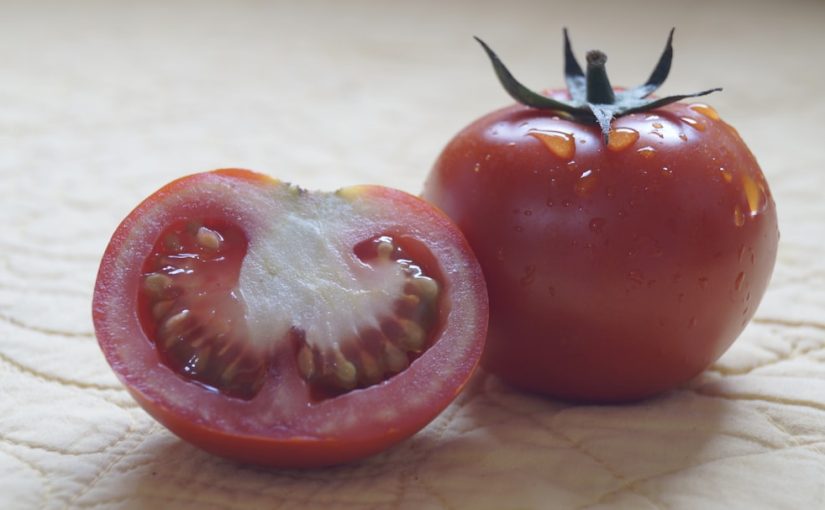
Discovering holes in your otherwise perfect backyard tomatoes can be incredibly disheartening. One day they are plump and promising, the next they bear the telltale signs of an unwelcome feast. This common gardening dilemma often leaves growers scratching their heads, wondering who or what is responsible for such a devastating attack. From tiny insects to larger, more elusive creatures, a variety of pests find the succulent flesh of a ripening tomato irresistible. Understanding the specific culprits behind these unwanted holes is the first crucial step towards protecting your precious harvest. This article will guide you through identifying the common perpetrators, analyzing the damage they inflict, and equipping you with effective strategies to safeguard your tomatoes from future attacks, ensuring a bountiful yield.
Insect invaders: identifying the tiny culprits
When you spot holes in your tomatoes, more often than not, the primary suspects are insect pests. Their feeding habits leave distinct marks, and knowing what to look for can help you identify them accurately.
- Tomato hornworms: These large, green caterpillars, camouflaged remarkably well against foliage, are notorious for their voracious appetites. They can devour significant portions of a tomato fruit, leaving large, irregular holes. A telltale sign of their presence, besides the damage, is their dark, pellet-like droppings scattered on leaves or fruit below.
- Tomato fruitworms (Helicoverpa zea): Also known as corn earworms, these caterpillars burrow into the fruit, often near the stem, creating smaller entry holes. Once inside, they tunnel and feed, causing internal damage that leads to rot and further decay.
- Slugs and snails: These nocturnal gastropods leave irregular holes, particularly on fruits that are low to the ground or touching moist soil. Their presence is often betrayed by the silvery slime trails they leave behind as they move across plants and fruit.
- Earwigs: While often considered scavengers, earwigs can feed on ripe tomatoes, creating shallow, chewed areas or small holes, especially on the underside of the fruit. They are primarily active at night.
- Stink bugs and leaf-footed bugs: These piercing-sucking insects don’t eat holes in the traditional sense, but their proboscises puncture the fruit, creating cloudy, hard spots internally and sometimes tiny, discolored indentations externally. These puncture wounds can later serve as entry points for rot and other secondary pests, making the damage appear as a hole.
Mammalian mischief: bigger bites and broader damage
While insects are frequent offenders, larger animals can also wreak havoc on your tomato patch, often leaving behind more substantial and noticeable damage. Their feeding habits are typically distinct from those of insects.
- Birds: Often attracted to the bright red color of ripe tomatoes, birds tend to peck at the fruit, creating small, shallow holes or gouges. These peck marks are typically round or oval and can be found anywhere on the exposed surface of the tomato.
- Squirrels, rats, and mice: These rodents are notorious for taking large, ragged bites out of tomatoes. Squirrels might even carry away entire fruits. They often leave behind partially eaten tomatoes, sometimes with teeth marks visible, or you might find scattered pieces of fruit and plant debris. Rats and mice tend to feed closer to the ground, often on lower fruits, creating irregular holes.
- Raccoons and opossums: These nocturnal opportunists can cause significant destruction. They often tear apart plants and devour entire fruits, leaving a messy scene in their wake. Their damage is usually extensive, and they are less discreet than smaller rodents.
Here is a comparison of typical damage patterns and control methods for common tomato pests:
| Pest Type | Typical Damage Description | Common Control Methods |
|---|---|---|
| Tomato hornworms | Large, deep holes; black, pellet-like droppings | Hand-picking, Bt spray (Bacillus thuringiensis) |
| Tomato fruitworms | Smaller entry holes, internal tunneling | Hand-picking, row covers (early season), predatory insects |
| Slugs & snails | Irregular holes on lower fruits; silvery slime trails | Beer traps, slug bait (organic options), copper tape barriers |
| Birds | Peck marks, often on upper fruit surface | Netting, reflective deterrents (old CDs), scare devices |
| Squirrels & rats | Large, ragged bites; partial or missing fruit; teeth marks | Trapping, fencing, removing water sources, wire cages around plants |
Integrated pest management: proactive prevention and effective solutions
Once you have identified the likely culprit, implementing targeted control measures becomes much easier. A holistic approach, known as Integrated Pest Management (IPM), combines various strategies to prevent and manage pests effectively and sustainably.
- Observation and identification: Regularly inspect your tomato plants for signs of pests or damage. Learning to recognize the specific type of hole, droppings, or tracks will lead to accurate identification. Pay attention to both the fruit and the foliage.
- Physical barriers: For insects, row covers can protect young plants from flying pests. For larger animals, sturdy fencing (at least 3-4 feet high and buried a few inches into the ground for rodents) or wire cages around individual plants can be highly effective. Bird netting draped over ripening fruit is an excellent deterrent for feathered foes.
- Manual removal: For larger pests like hornworms, hand-picking them off plants and dropping them into soapy water is a simple and effective solution. Slugs and snails can also be hand-picked during evening hours.
- Attracting beneficial insects: Encourage natural predators like ladybugs, lacewings, and parasitic wasps by planting companion flowers such as marigolds, borage, and dill around your tomato patch. These beneficial insects will help control populations of aphids and certain caterpillars.
- Sanitation: Remove any fallen fruit and plant debris from around your tomato plants. This eliminates hiding spots for pests and reduces sources of attraction. Keeping the area tidy also makes it easier to spot new damage.
- Organic treatments: For persistent insect problems, consider organic pest control options. Bacillus thuringiensis (Bt) is a naturally occurring bacterium that is effective against various caterpillars, including hornworms and fruitworms, but is harmless to humans and beneficial insects. Neem oil can act as a repellent and growth regulator for many soft-bodied insects.
Finding holes in your prized tomatoes is a common and frustrating gardening challenge, but it does not have to spell disaster for your harvest. The key to mitigating this problem lies in vigilant observation and accurate identification of the pest responsible. Whether you are dealing with the telltale large holes of a hungry hornworm, the discreet internal tunneling of a fruitworm, the slimy trails of slugs, or the larger, more aggressive bites of squirrels or birds, understanding the specific signs is your first line of defense. By differentiating between insect and mammalian damage, you can then implement targeted, effective strategies. Embracing integrated pest management, which combines preventative measures like physical barriers and companion planting with proactive solutions such as manual removal and organic treatments, will significantly enhance your chances of a successful and bountiful tomato yield. Protect your efforts, enjoy your garden, and savor those perfect, hole-free tomatoes.
Image by: Ayesha Firdaus