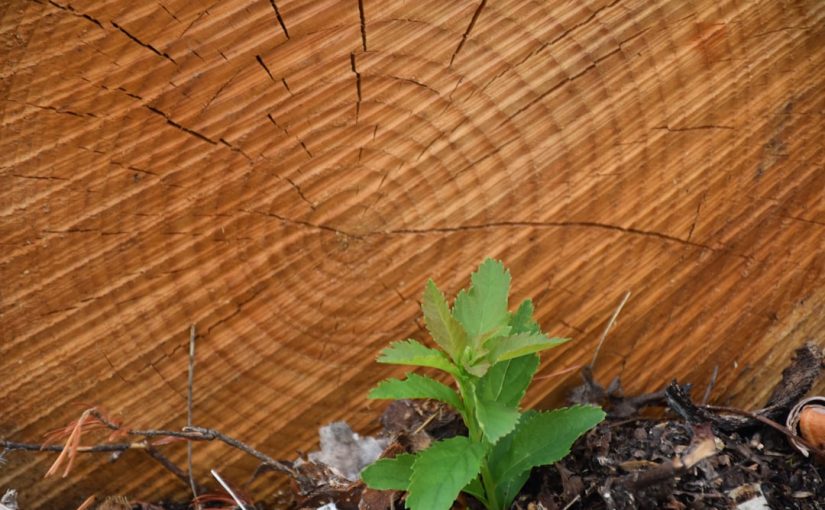
Albesia wood, often overshadowed by more conventional hardwoods, stands out as a remarkable and increasingly vital resource in sustainable forestry and various industries. Originating primarily from Southeast Asia, particularly Indonesia, this fast-growing timber species offers a unique combination of lightweight properties, workability, and environmental benefits. Our exploration will delve into the multifaceted world of Albesia, uncovering its botanical origins, the diverse applications it lends itself to, and its significant role in eco-conscious practices. From its rapid growth cycle to its surprising strength-to-weight ratio, understanding Albesia wood is crucial for anyone interested in sustainable materials and innovative design solutions in today’s global market.
Unveiling Albesia: Botanical origins and distinctive characteristics
Albesia wood comes from the Paraserianthes falcataria tree, formerly known as Albizia falcataria or Falcataria moluccana. This species is a member of the legume family (Fabaceae), known for its rapid growth rate, making it one of the fastest-growing timber trees in the world. Native to Papua New Guinea, the Solomon Islands, and parts of Indonesia, Albesia has been widely cultivated throughout Southeast Asia for its economic and ecological value. The tree itself can reach impressive heights, often exceeding 40 meters, and develop a straight, clear bole in a relatively short period, sometimes ready for harvest in as little as 5-7 years for pulpwood, and 10-15 years for sawtimber.
What truly sets Albesia apart are its distinctive physical characteristics. The wood is remarkably light in weight, often having a density ranging from 250 to 450 kg/m³ when air-dry. This low density contributes to its ease of handling and transport, reducing associated costs. Despite its lightness, Albesia possesses a surprising strength-to-weight ratio, making it suitable for applications where both lightness and structural integrity are required. The timber typically exhibits a pale cream to yellowish-white sapwood and heartwood, with a straight grain and a medium to coarse texture. It is also known for being easy to work with hand and power tools, readily accepting glues, stains, and finishes, though careful drying is essential to prevent warping and shrinkage. Its porosity allows for good adhesive penetration, a crucial factor in laminated products. While not inherently resistant to decay or insect attack, Albesia can be effectively treated to enhance its durability for specific outdoor or high-moisture applications.
Here’s a quick look at some key properties:
| property | typical value/description |
|---|---|
| scientific name | paraserianthes falcataria |
| density (air-dry) | 250-450 kg/m³ |
| color | pale cream to yellowish-white |
| grain | straight |
| texture | medium to coarse |
| growth rate | very fast (5-15 years to harvest) |
From reforestation to furniture: Diverse applications of Albesia wood
The versatility of Albesia wood is truly remarkable, spanning a broad spectrum of applications, largely thanks to its unique combination of rapid growth, light weight, and ease of processing. One of its primary uses is in the pulp and paper industry, where its fast growth cycle provides a sustainable source of fiber for paper products. This role is particularly significant in regions striving for eco-friendly resource management and minimizing deforestation of slower-growing native species.
Beyond pulp, Albesia has found a robust niche in various manufacturing sectors. Its light weight and workability make it an excellent material for core veneers in plywood and blockboard production, where it helps reduce the overall weight of panels without compromising structural integrity significantly. This characteristic is also highly valued in the production of lightweight furniture and interior components, especially for items requiring ease of mobility or installation. For instance, panels made with an Albesia core are popular for RV interiors, exhibition displays, and even certain types of modular furniture, where weight is a critical design consideration.
Furthermore, Albesia is increasingly utilized in crafting decorative items, carvings, and even musical instruments, particularly those where a light and resonant wood is desired. Its uniform texture and ability to accept finishes well make it appealing for artisans. In construction, while not typically used for heavy structural elements without engineered reinforcement, it finds applications in non-load-bearing partitions, ceiling panels, and even some temporary structures. Its environmental credentials also boost its appeal, especially for companies and consumers committed to using sustainably sourced materials. The tree’s fast growth means that forests can be replanted and harvested frequently, providing a continuous supply of timber with a relatively low environmental footprint compared to slow-growing hardwoods.
Albesia and sustainability: A greener choice in forestry
The role of Albesia wood in sustainable forestry is perhaps one of its most compelling attributes, positioning it as a greener choice in an industry often scrutinized for its environmental impact. The cornerstone of Albesia’s sustainability profile is its extraordinarily rapid growth rate. Unlike many traditional timber species that require decades, even centuries, to reach maturity, Paraserianthes falcataria can be harvested for various applications within a mere 5 to 15 years. This rapid regeneration cycle drastically reduces the pressure on old-growth forests and slower-growing, often endangered, native species.
This characteristic makes Albesia an ideal candidate for reforestation projects and plantation forestry, particularly in degraded lands. Plantations of Albesia not only provide a renewable timber resource but also contribute to soil stabilization, erosion control, and the restoration of ecological balance in areas previously deforested. The trees act as efficient carbon sinks, absorbing significant amounts of atmospheric carbon dioxide during their rapid growth phase, thus playing a role in mitigating climate change. Furthermore, Albesia is often integrated into agroforestry systems, where it can be grown alongside agricultural crops, providing shade, improving soil fertility through nitrogen fixation (a trait common to legumes), and offering an additional income stream for local communities through timber sales.
The sustainable harvesting of Albesia in well-managed plantations ensures a continuous supply without depleting natural forest resources. Its cultivation can also reduce illegal logging pressures on protected areas, as a readily available and economically viable alternative exists. The commitment to sustainable practices, often backed by certifications like FSC (Forest Stewardship Council), further enhances Albesia’s appeal as an environmentally responsible material choice, allowing consumers and industries to make choices that support biodiversity and long-term ecological health.
Processing and working with Albesia: Tips for optimal results
Working with Albesia wood, while generally straightforward, requires attention to specific characteristics to achieve optimal results and prevent common issues. Its light weight and relatively soft nature make it very easy to cut, shape, and sand with both hand and power tools. However, its softness can also mean it’s prone to denting or crushing under heavy impact, so care in handling is advised, particularly with finished products.
Drying is a critical stage in processing Albesia. Due to its fast growth and often high moisture content, rapid or uncontrolled drying can lead to significant warping, cupping, and checking. Kiln drying, executed carefully and progressively, is often preferred to reduce moisture content evenly and stabilize the wood, minimizing these defects. Air drying is also an option, but it requires ample time and proper stacking with stickers to allow for adequate air circulation and prevent fungal growth.
When it comes to joinery, Albesia accepts nails and screws well, though pre-drilling for screws is often recommended to prevent splitting, especially near edges or in thinner sections. Its porous nature makes it highly receptive to glues, allowing for strong bonds in laminated products such as plywood, blockboard, or glued-laminated timber (glulam). When finishing, Albesia readily absorbs stains and paints, which can be an advantage for achieving a consistent color. However, its absorbency means that multiple coats of finish might be necessary to build up a desired sheen or protection, and a sanding sealer can be beneficial to achieve an even absorption and smoother final surface. For applications requiring increased durability, particularly outdoors, Albesia is amenable to various preservative treatments, which can significantly extend its lifespan by protecting against rot and insect infestations.
Careful dust extraction is also important when working with Albesia, as with any wood, to maintain a safe working environment. Its fibers are relatively soft, meaning tools can remain sharp for longer, but consistent sharp tooling is always recommended for clean cuts and to prevent tear-out, especially when planing or routing across the grain.
Albesia wood, from its humble botanical origins to its widespread industrial applications, truly emerges as a powerhouse of sustainable timber. We’ve journeyed through its distinctive properties, such as its remarkably fast growth and lightweight nature, which position it as a prime candidate for environmentally conscious forestry. Its versatility is evident in its use across diverse sectors, from the pulp and paper industry and core veneers to lightweight furniture and decorative crafts, offering a green alternative to traditional timber sources. The emphasis on its sustainability profile highlights its crucial role in reforestation efforts, carbon sequestration, and supporting local economies through agroforestry. Furthermore, understanding the nuances of processing and working with Albesia ensures that its unique attributes can be harnessed effectively, delivering optimal results in various products. In an era where sustainable resource management is paramount, Albesia wood stands as a testament to innovation and responsible sourcing, presenting itself as an invaluable material for a greener future.
Image by: Claude Laprise