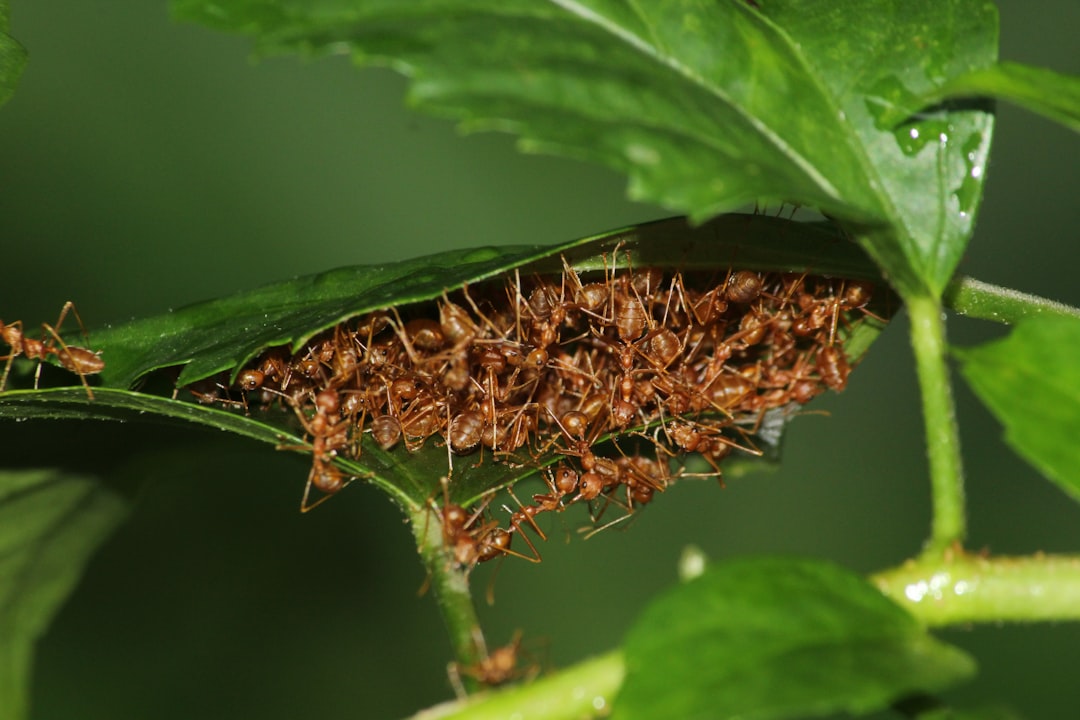
<p>Ant infestations in gardens and around homes are a common nuisance for many homeowners and gardeners. While mulch is invaluable for moisture retention, weed suppression, and soil health, certain types can inadvertently create ideal habitats for these tiny invaders. Ants seek shelter, moisture, and food sources, all of which can be provided by the wrong kind of ground cover. This often leads to frustrating battles against colonies making themselves at home right where you want your plants to thrive. Fortunately, not all mulches are created equal when it comes to attracting ants. Understanding which options actively deter them can significantly reduce your pest management efforts. This article will explore effective ant resistant mulch alternatives, helping you create a healthier, more peaceful landscape.</p>
<h2>Why ants gravitate towards mulch and how resistance works</h2>
<p>To effectively combat ants, it is crucial to understand why they are drawn to traditional mulches in the first place. Mulch, particularly organic varieties like shredded bark or wood chips, offers a trifecta of desirable conditions for ants: shelter, moisture, and potential food sources. The loose, fragmented structure provides excellent nesting sites, protecting colonies from predators and extreme weather. It also retains soil moisture, creating a humid environment that many ant species prefer for their eggs and larvae. Furthermore, decomposing organic matter can attract other insects, which then become a food source for ants, or the mulch itself can be a direct food source for certain fungus-farming ants. Understanding these attractions paves the way for selecting mulches that naturally disrupt these appealing conditions.</p>
<p>Ant resistance in mulch primarily works through several mechanisms. Some mulches possess natural repellent properties, often due to aromatic compounds or oils that ants find noxious. Others deter ants due to their physical properties, such as being too coarse, too fine, or inorganic, making them unsuitable for tunneling and nesting. A third mechanism involves mulches that simply offer no appealing food source or moisture retention that ants seek. By strategically choosing mulches that lack these favorable characteristics or actively repel them, you can create a less inviting environment for ant colonies.</p>
<h2>Naturally deterrent organic mulch options</h2>
<p>When aiming for organic ant resistance, several natural mulch options stand out due to their inherent properties. <b>Cedar mulch</b> is perhaps the most well-known. The strong, distinct aroma of cedar comes from natural oils, primarily thujone and cedrene, which are known to repel a variety of insects, including ants, termites, and fleas. While not a permanent barrier, its deterrent effect can significantly reduce ant activity in mulched areas. It also decomposes slowly, offering long-lasting benefits.</p>
<p><b>Cypress mulch</b> is another good choice. While it may not possess the same strong repellent oils as cedar, cypress is naturally rot-resistant and drains exceptionally well. This property helps prevent the overly moist, humid conditions that ants often seek for nesting. Its texture can also be less conducive to easy tunneling compared to finer wood mulches, making it less attractive for colony establishment.</p>
<p><b>Eucalyptus mulch</b> also holds promise. Derived from eucalyptus trees, it contains natural essential oils with a potent fragrance that many insects, including ants, tend to avoid. Similar to cedar, these natural compounds act as a deterrent, making mulched beds less appealing for foraging and nesting. It’s a sustainable option that also offers good weed suppression and moisture retention.</p>
<p>While not truly organic in the sense of decomposing plant matter, <b>recycled rubber mulch</b> is a highly effective inorganic alternative that mimics the appearance of traditional mulch. Since it’s made from old tires, it offers absolutely no organic food source for ants and doesn’t decompose, eliminating nesting opportunities within the material itself. Its density can also make tunneling difficult. However, it’s essential to consider its heat retention properties and potential impact on soil temperature.</p>
<h2>Inorganic and less appealing alternatives</h2>
<p>For landscapes where organic mulch isn’t a strict requirement, or for areas particularly prone to ant infestations, inorganic options provide a definitive deterrent. <b>Gravel or river rock</b> is a prime example. These materials offer no organic matter for ants to feed on, do not decompose, and, critically, they do not retain moisture in the same way organic mulches do, creating a much less hospitable environment. Their weight and density also make it incredibly difficult for ants to tunnel or establish nests within the material itself. While ants might still cross them, they are far less likely to establish a colony directly underneath. The primary considerations for these options are their cost, weight, and potential to absorb and radiate heat, which can impact nearby plants.</p>
<p><b>Landscape fabric topped with decorative stone</b> further enhances ant resistance. The fabric acts as a physical barrier between the soil and the surface, making it even harder for ants to access the ground directly for nesting. Paired with stones, this creates a sterile, inhospitable zone. <b>Recycled glass mulch</b> is another unique inorganic option. Made from tumbled, smoothed glass, it offers the same benefits as other inorganic mulches – no food source, no decomposition, and poor nesting conditions. It can also provide a striking aesthetic.</p>
<p>When considering inorganic mulches, it’s important to acknowledge their different properties compared to organic ones. They won’t enrich the soil or break down, so supplemental fertilization might be needed for plants. However, their longevity and superior ant resistance make them excellent choices for specific areas, especially around foundations or patios where ant presence is highly undesirable.</p>
<h2>Strategic application and integrated control</h2>
<p>Beyond selecting the right mulch, strategic application and integrated pest management are critical for long-term ant control. Even with ant-resistant mulch, a comprehensive approach yields the best results. Start by ensuring <b>proper mulch depth</b>, typically 2-4 inches; too thick can still create moist pockets, while too thin may not be effective. <b>Keep mulch away from your home’s foundation</b> by at least 6-12 inches to prevent creating a bridge for ants into your house.</p>
<p>Consider integrating other ant deterrents. <b>Diatomaceous earth (DE)</b> can be lightly sprinkled on the soil surface before applying mulch, acting as a physical deterrent that dehydrates ants on contact. Placing <b>ant baits</b> discreetly around the perimeter of mulched areas can target colonies foraging nearby. <b>Regular inspection and maintenance</b> are also key; routinely turn the mulch over in problem areas and address any excessive moisture buildup.</p>
<p>Addressing moisture issues is paramount; repair leaky faucets or adjust irrigation to prevent overly damp conditions. Planting <i>ant-repelling plants</i> such as mint, pennyroyal, or lavender nearby can also contribute to an unwelcoming environment. Combining mulch types, perhaps using an ant-repelling organic mulch closer to plants and an inorganic option nearer the foundation, offers a layered defense.</p>
<p>Here’s a quick comparison of popular mulch options for ant resistance:</p>
<table border=”1″>
<tr>
<th>Mulch Type</th>
<th>Ant Resistance Level</th>
<th>Key Benefits</th>
<th>Considerations</th>
</tr>
<tr>
<td>Cedar Mulch</td>
<td>High (Natural Repellent)</td>
<td>Aromatic, slow decomposition, good moisture retention.</td>
<td>Can be more expensive, aroma fades over time.</td>
</tr>
<tr>
<td>Cypress Mulch</td>
<td>Medium-High (Less appealing moisture/texture)</td>
<td>Rot-resistant, good drainage, sustainable.</td>
<td>Less potent repellent than cedar.</td>
</tr>
<tr>
<td>Eucalyptus Mulch</td>
<td>Medium-High (Natural Repellent)</td>
<td>Sustainable, distinctive aroma, good weed suppression.</td>
<td>Availability can vary.</td>
</tr>
<tr>
<td>Rubber Mulch</td>
<td>High (No food source/nesting)</td>
<td>Long-lasting, no decomposition, excellent weed control.</td>
<td>Can get hot, no soil improvement, higher initial cost.</td>
</tr>
<tr>
<td>Gravel/River Rock</td>
<td>Very High (No organic matter/nesting)</td>
<td>Permanent, excellent drainage, no food source.</td>
<td>Heats up, no soil benefits, heavy, expensive.</td>
</tr>
</table>
<p>Choosing the right mulch is a foundational step in mitigating ant problems within your landscape, transforming your garden from an ant haven into an uninviting space. We’ve explored how organic options like <i>cedar, cypress, and eucalyptus mulches</i> leverage natural oils and properties to deter ants, offering a dual benefit of pest control and aesthetic appeal. For more challenging areas or those seeking a permanent solution, inorganic alternatives such as <i>rubber mulch, gravel, or decorative stone</i> prove highly effective by eliminating food sources and suitable nesting conditions entirely. Each option comes with its unique set of advantages and considerations, from cost and longevity to impact on soil health and plant temperature.</p>
<p>Ultimately, successful ant management extends beyond just mulch selection. <i>Strategic application</i>, maintaining appropriate depth, and creating a buffer zone around structures are crucial. Integrating these choices with other pest management techniques, like using diatomaceous earth, proper irrigation, and regular inspection, creates a robust defense. By understanding the ant’s motivations and employing these diverse strategies, you can significantly reduce their presence, ensuring your garden remains a beautiful, tranquil retreat for you, not for unwanted insect guests.</p>
Image by: Sebastian Schuster