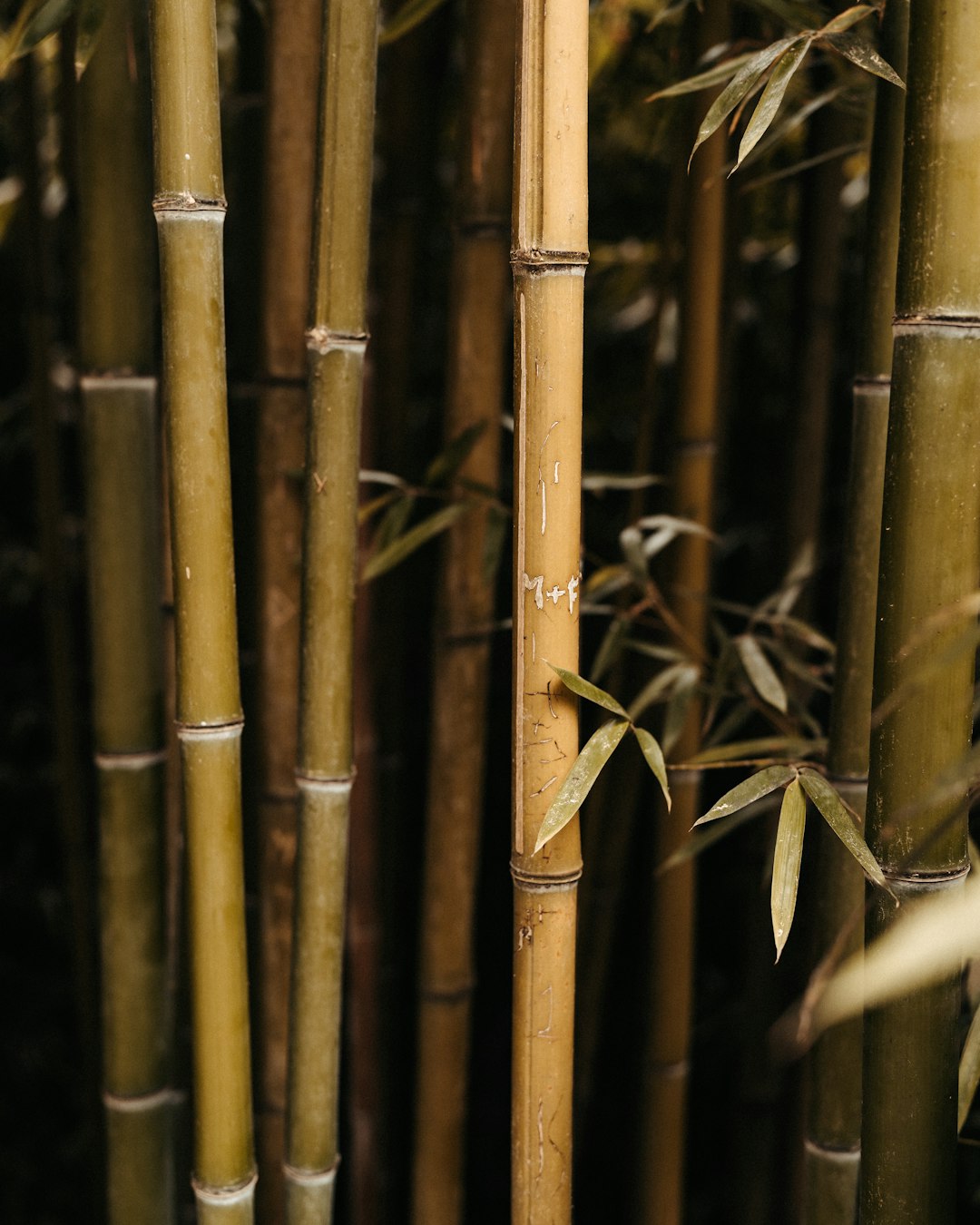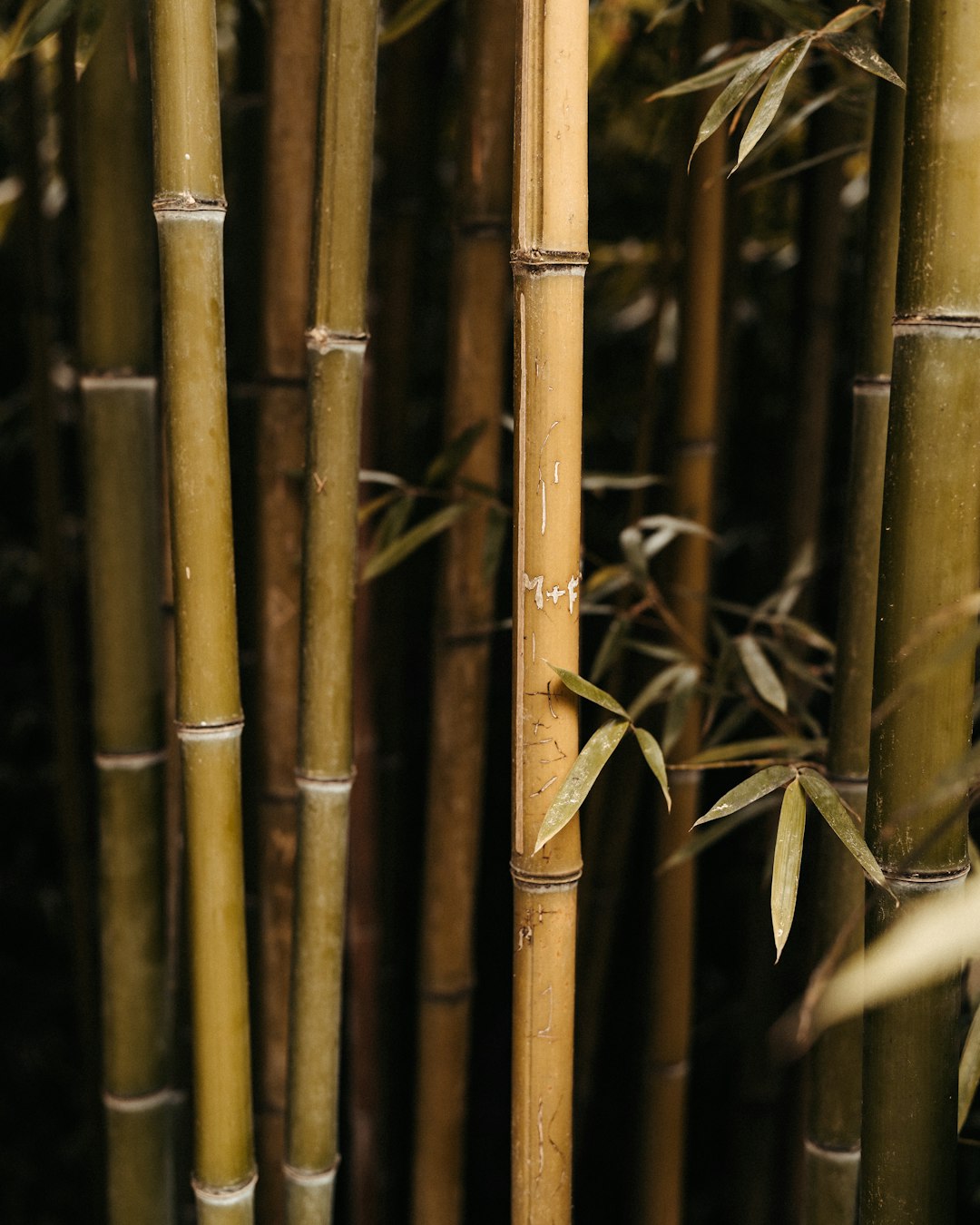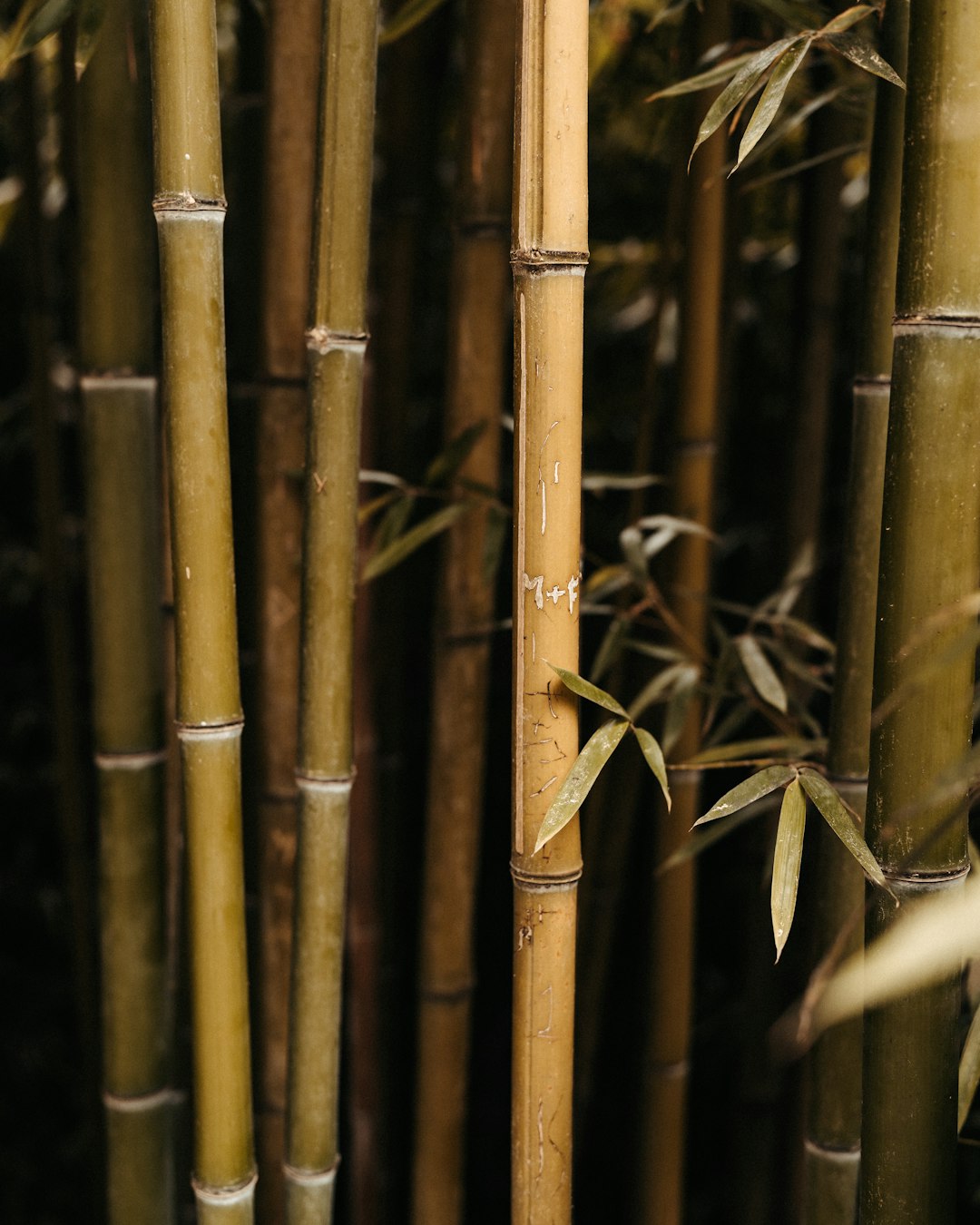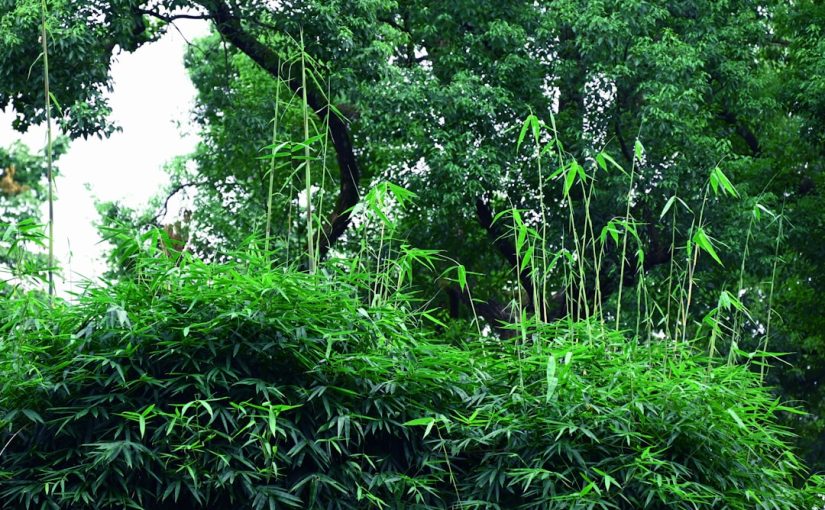
Bamboo, a remarkable plant celebrated for its rapid growth, strength, and versatility, serves humanity in countless ways—from construction materials and furniture to food and ornamental landscaping. Yet, beneath its often-smooth, green exterior lies a vibrant, hidden world. This fast-growing grass also provides a unique habitat and a rich food source for a variety of insect species, some of which are integral to its ecosystem, while others pose significant threats. Understanding the diverse array of bugs that call bamboo home is crucial for anyone involved with this incredible plant, whether you are a gardener, a builder, or simply an enthusiast. Delving into the lives of these tiny inhabitants helps us appreciate the intricate biological relationships at play and equips us with the knowledge to protect bamboo from potential damage.
The bamboo borer: A common invader
Among the most notorious residents of bamboo are various species of wood-boring beetles, collectively known as bamboo borers. The bamboo powderpost beetle, often *Dinoderus minutus*, is a prime example. These tiny, dark brown beetles, typically only a few millimeters long, are particularly destructive. Their life cycle begins when adult females lay eggs in the pores or crevices of harvested bamboo culms. Upon hatching, the larvae, which are small, C-shaped grubs, immediately begin tunneling deep into the bamboo’s starchy interior. This feeding phase can last for several months, during which they create an intricate network of galleries, consuming the starch and cellulose within the bamboo walls. The damage is often indicated by fine, powdery sawdust, known as frass, which is expelled from small pinholes on the culm’s surface. This internal damage significantly weakens the bamboo, making it brittle and compromising its structural integrity, whether it’s part of a fence, furniture, or a building.
Sap-sucking residents: Aphids and scale insects
Beyond the internal damage caused by borers, bamboo is also susceptible to a range of sap-sucking insects that feed on its vital fluids. Aphids, small, soft-bodied insects, are commonly found clustered on the undersides of bamboo leaves and new shoots. They insert their needle-like mouthparts into the plant’s vascular tissue to extract sap, which can lead to distorted or stunted growth and yellowing leaves. A tell-tale sign of aphid infestation is the presence of sticky honeydew, a sugary excretion that often coats the leaves below the feeding sites. This honeydew, in turn, can foster the growth of sooty mold, a black fungus that further impedes photosynthesis and detracts from the bamboo’s aesthetic appeal.
Similarly, scale insects are another persistent threat. These insects appear as small, immobile bumps on the culms and leaves, often covered by a protective waxy or cottony shell. Like aphids, they feed by piercing the plant tissue and drawing out sap. Prolonged infestations can lead to significant debilitation of the bamboo, causing leaf drop, branch dieback, and a general decline in plant vigor. Mealybugs, often resembling small, white cottony masses, are close relatives of scale insects and can also be found in the protected nodes or leaf axils of bamboo, causing similar damage.
Termites and carpenter bees: Structural compromisers
While some insects feed directly on bamboo, others use it for shelter, inadvertently causing significant structural harm. Termites, especially subterranean and drywood species, are formidable enemies of any wood product, including bamboo. Subterranean termites construct mud tubes to access bamboo, consuming the cellulose from the inside out and often leaving only a thin outer shell. Drywood termites, on the other hand, can directly infest bamboo without soil contact, leaving behind tell-tale fecal pellets (frass) that resemble small, gritty grains. Their hidden activity can lead to complete structural failure of bamboo poles in buildings, fences, or furniture.
Carpenter bees also interact with bamboo in a destructive manner, though they do not consume the wood. These large, solitary bees bore perfectly round holes into bamboo culms to create nests for their offspring. While a single hole might seem minor, multiple galleries can weaken the bamboo, making it prone to breakage, especially in culms used for structural purposes. Distinguishing between termite damage and carpenter bee activity is crucial for effective management, as their control strategies differ significantly.
Here’s a quick reference for common bamboo pests:
| Insect Type | Primary Damage | Visible Signs | Affected Parts |
|---|---|---|---|
| Bamboo powderpost beetle | Internal tunnels, structural weakening | Fine, powdery frass (sawdust) from pinholes | Culms (stems) |
| Aphids | Sap depletion, stunted growth, distorted leaves | Honeydew, sooty mold, tiny insects on leaves/shoots | Leaves, new shoots |
| Scale insects | Sap depletion, reduced vigor, leaf drop | Small, immobile bumps on culms/leaves | Culms, leaves |
| Termites | Cellulose consumption, structural failure | Mud tubes, hollow sound, discarded wings, frass (drywood) | Culms (especially dried/harvested) |
| Carpenter bees | Nesting tunnels, structural compromise | Perfectly round boreholes | Culms |
Other inhabitants and ecological considerations
Beyond these prominent pests, bamboo ecosystems host a variety of other insects. Some caterpillars might feed on bamboo leaves, causing defoliation, while certain leaf miners create serpentine tunnels within the leaf tissue. However, not all insects in a bamboo grove are detrimental. Many beneficial insects, such as ladybugs and lacewings, serve as natural predators of aphids and scale insects, helping to maintain a natural balance. Parasitic wasps can also target bamboo borers and other pest larvae, playing a vital role in biological control. Understanding this broader ecological context is essential. A healthy bamboo plant, growing vigorously in suitable conditions, is often more resilient to pest infestations than a stressed one. Proactive measures such as regular inspection, proper sanitation (removing dead leaves and debris), and ensuring adequate air circulation can significantly reduce the risk of severe pest outbreaks, promoting a thriving bamboo environment for both the plant and its diverse, tiny inhabitants.
In summary, the world of bamboo is far from solitary; it’s a bustling habitat for a fascinating array of insect life. From the hidden tunnels of bamboo borers that compromise its structural integrity to the sap-depleting activities of aphids and scale insects, and the more overt damage caused by termites and carpenter bees, these tiny inhabitants exert significant influence. While some species act as persistent pests, threatening the health and utility of this versatile plant, others contribute to a complex ecological balance. Recognizing the signs of infestation, understanding the life cycles of these bugs, and implementing appropriate management strategies are all critical steps for any bamboo steward. Ultimately, coexisting with and protecting bamboo means appreciating its entire ecosystem, ensuring that this remarkable natural resource continues to thrive for generations to come.
Image by: Shirou Emiya