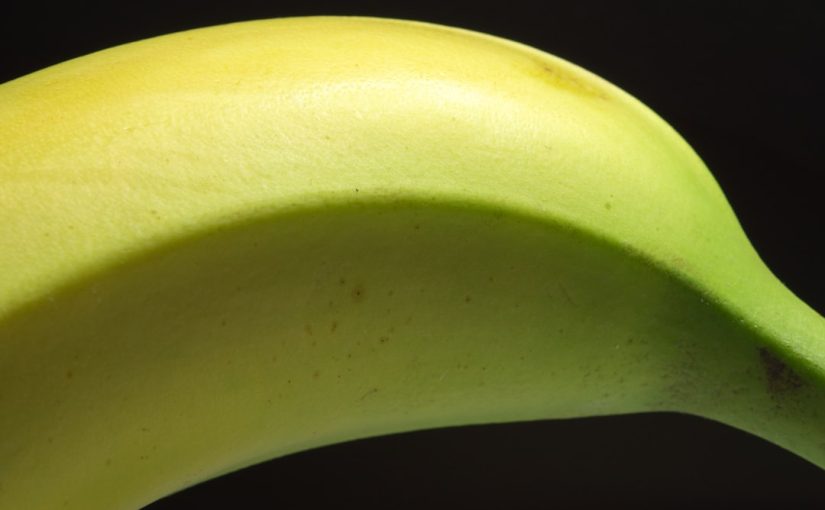
The quest for natural, readily available solutions to everyday problems often leads to exploring unconventional remedies. Among the myriad of home remedies circulating online and through word-of-mouth, a peculiar suggestion has surfaced: using banana peels to eliminate fleas. For pet owners battling these persistent pests, the idea of a simple, organic solution like a banana peel can seem appealing, especially given the concerns many have about chemical treatments. This article will delve into the intriguing question of whether banana peels possess any genuine insecticidal properties against fleas, examining the scientific validity behind such claims and providing a clear, evidence-based answer to help you protect your home and beloved pets effectively.
The popular myth and anecdotal claims
The internet is a vast repository of information, often blending scientific fact with folk remedies and anecdotal claims. The notion that banana peels can kill fleas falls squarely into the latter category, frequently appearing in forums and social media discussions where people share “natural” pest control tips. Proponents of this method often suggest placing banana peels around infested areas, near pet bedding, or even rubbing them directly on pets, believing that a certain compound or property within the peel deters or kills fleas. These claims are usually supported by personal stories rather than empirical evidence, with some individuals reporting a reduction in flea activity after trying the method. However, the absence of fleas could be attributed to various factors, including the natural ebb and flow of an infestation, concurrent use of other treatments, or simply a misinterpretation of the situation.
What are banana peels made of? Examining their composition
To understand if banana peels could combat fleas, it’s crucial to look at their chemical composition. Banana peels are rich in various organic compounds, including cellulose, hemicellulose, and lignin, which form their fibrous structure. They also contain significant amounts of carbohydrates (sugars), potassium, B vitamins, and trace amounts of other minerals and amino acids. Some studies have noted the presence of phenolic compounds and certain enzymes, which can contribute to antioxidant activity. While these components are beneficial for plant health and even human consumption, none of them are recognized in entomology or pest control science as having insecticidal properties specifically targeting fleas. Unlike known natural repellents or insecticides such as pyrethrins (derived from chrysanthemums), diatomaceous earth, or neem oil, banana peels lack any active ingredients with a demonstrated ability to disrupt the nervous system, dehydrate the exoskeleton, or inhibit the growth of fleas.
Scientific evidence and expert opinion
Despite the persistent circulation of this home remedy, there is currently no scientific research or peer-reviewed study that supports the claim that banana peels can kill or even effectively repel fleas. Entomologists and veterinary experts consistently state that conventional, scientifically-backed flea treatments are the only reliable way to manage infestations. Anecdotal accounts, while interesting, do not constitute scientific proof. The life cycle of a flea is complex, involving eggs, larvae, pupae, and adult stages, all of which require targeted interventions to break the cycle. Relying on an unproven method like banana peels can allow an infestation to worsen, posing significant health risks to pets and potentially leading to more extensive and costly eradication efforts later on. The table below illustrates the stark difference between banana peels and proven flea treatments:
| Feature | Banana Peels | Scientifically Proven Flea Treatments (e.g., topical, oral medications) |
|---|---|---|
| Active Ingredient for Fleas | None identified | Fipronil, imidacloprid, sarolaner, spinosad, etc. |
| Mode of Action | None | Neurotoxin, insect growth regulator (IGR), chitin synthesis inhibitor, etc. |
| Scientific Efficacy | No evidence | High efficacy, tested and approved by regulatory bodies |
| Safety for Pets | Generally safe to consume in small amounts, but topical application ineffective | Vet-approved, tested for pet safety and efficacy |
| Impact on Flea Life Cycle | None | Interrupts various stages (eggs, larvae, adults) |
The limitations and potential risks of homemade remedies
While the appeal of a cost-effective, natural solution is understandable, it is critical to recognize the limitations and potential risks associated with unverified homemade remedies like using banana peels for fleas. The primary limitation is, of course, their ineffectiveness. Fleas are not just a nuisance; they can transmit diseases, cause allergic dermatitis, and lead to anemia in severe infestations, particularly in young or vulnerable animals. Delaying proper treatment by experimenting with unproven methods can exacerbate these problems, leading to prolonged suffering for pets and a more entrenched infestation in the home. Furthermore, placing banana peels around your house might unintentionally attract other pests, such as fruit flies, ants, or even rodents, creating new problems instead of solving the original one. It’s a messy and ultimately futile approach when genuine, reliable solutions are readily available through veterinary channels.
In conclusion, while the idea of a simple banana peel holding the key to flea eradication is certainly intriguing, the scientific evidence unequivocally states otherwise. Banana peels, despite their rich nutritional content for plants and humans, simply do not possess any known insecticidal properties that are effective against fleas. There are no active compounds within them that can kill fleas, disrupt their life cycle, or even reliably repel them. Relying on such anecdotal remedies not only proves ineffective but can also allow a flea infestation to escalate, potentially causing significant discomfort and health issues for your pets. For effective flea control, it is always best to consult with your veterinarian and utilize scientifically proven, veterinarian-recommended products that are specifically designed to safely and efficiently eliminate fleas at all stages of their life cycle. Protecting your pets and home from these pervasive pests requires a strategic, evidence-based approach, not a trip to the fruit bowl.
Image by: Immo Wegmann