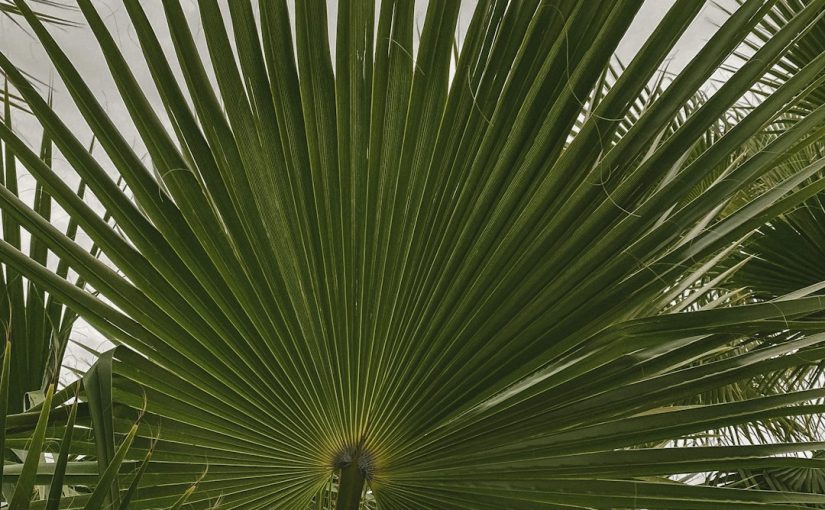
The majestic Sabal Palm, often simply called the Cabbage Palm, stands as an undeniable icon of Florida, gracing landscapes from bustling cityscapes to serene coastal areas. As the official state tree, its distinctive silhouette is synonymous with the Sunshine State’s natural beauty and resilience. However, despite its revered status, property owners occasionally find themselves contemplating the removal of these native giants. Whether due to concerns about proximity to structures, aesthetic changes, or the tree’s health, the question invariably arises: “Can you cut down a Florida Sabal Palm?” This article will delve into the multifaceted answer, exploring the legal requirements, practical considerations, and environmental implications involved in such a decision, guiding you through the complexities of managing these cherished palms on your property.
The iconic Florida Sabal Palm
The Sabal Palm (Sabal palmetto) is more than just a tree; it’s a living symbol deeply woven into Florida’s identity. Its designation as the state tree in 1953 recognized its prevalence, hardiness, and historical significance. These palms are incredibly versatile, thriving in various soil conditions and enduring hurricanes with remarkable resilience, often bending but rarely breaking. Ecologically, Sabal Palms are vital, providing food and shelter for a diverse array of wildlife, from birds that nest in their fronds to raccoons and other mammals that feast on their berries. Historically, indigenous peoples and early settlers utilized nearly every part of the palm, from the “heart of palm” (the tender terminal bud) as food to its fronds for thatch and construction. Given their deep roots in the state’s natural and cultural fabric, the idea of removing a healthy Sabal Palm is often met with thoughtful consideration. Property owners might contemplate removal for several reasons: the palm’s immense size creating shade or obstructing views, its proximity to buildings causing potential damage, or simply a desire to alter the landscape design. Understanding its significance helps frame the subsequent decisions regarding its fate.
Navigating the legal landscape of palm removal
When considering whether you can cut down a Florida Sabal Palm, the first critical step is to understand the legal framework governing tree removal in your specific location. While the Sabal Palm is the state tree, there’s no blanket statewide ban on removing them from private property. However, this doesn’t mean you can simply chop it down without consequence. Regulations regarding tree removal are primarily handled at the local level, meaning rules can vary significantly between counties and even individual cities. Many municipalities have tree protection ordinances designed to preserve their urban canopy, which can include native species like the Sabal Palm. For instance, some areas may require a permit for removing any tree above a certain diameter, regardless of species, especially if it’s healthy. Others might specifically list protected trees or conditions under which removal is permitted, such as if the tree is dead, diseased, hazardous, or interfering with approved construction. It is imperative to contact your local city or county planning and zoning department before any removal efforts begin. Failure to obtain necessary permits can result in substantial fines, mandatory replacement, or other penalties. Always assume a permit is required until confirmed otherwise, as ignorance of the law is not a valid defense.
The practicalities and perils of palm removal
Once you’ve navigated the legal requirements, the practicalities of removing a Sabal Palm come into sharp focus. These are not small, easily manageable plants. Mature Sabal Palms can reach heights of 60 to 80 feet, with trunks weighing thousands of pounds. Attempting a DIY removal, especially for larger specimens, is fraught with significant dangers. The sheer weight of the fronds and trunk, combined with the difficulty of felling a tall tree safely, presents a substantial risk of injury, property damage, or even death. Professional arborists and tree removal services possess the specialized equipment, training, and insurance necessary to handle such tasks safely and efficiently. This includes cranes, lifts, rigging, and experienced crews. While hiring professionals entails a cost, it’s an investment in safety and peace of mind, mitigating risks that untrained individuals simply cannot manage. Consider the following comparison when deciding on removal methods:
| Aspect | DIY Removal | Professional Removal |
| Safety | High risk of injury/death, property damage | Low risk, insured and trained personnel |
| Equipment | Limited, potentially inadequate tools | Specialized cranes, lifts, chainsaws, rigging |
| Expertise | Lack of experience in tree felling | Arborists with extensive knowledge |
| Permits | Often overlooked, leading to fines | Professionals typically assist with permit process |
| Cost | Appears cheaper, but hidden costs (tools, injuries, damage, fines) | Upfront cost, but comprehensive and risk-averse |
| Disposal | Challenging due to size and weight | Included service, efficient debris removal |
The costs associated with professional removal can vary widely based on the palm’s size, location, and accessibility, but they typically range from a few hundred to several thousand dollars. Always obtain multiple quotes and verify that the company is licensed, insured, and has a strong reputation.
Ethical and environmental considerations for removal
Beyond the legal and practical aspects, property owners should also weigh the ethical and environmental implications of removing a Sabal Palm. These native trees are integral to Florida’s delicate ecosystem. Removing a healthy palm disrupts local habitats, potentially displacing nesting birds, insects, and other wildlife that rely on it for shelter and food. Before making a final decision, explore alternatives to outright removal. Can the palm be simply pruned to address concerns about size or obstruction? Expert pruning can often resolve issues without sacrificing the entire tree, maintaining its aesthetic appeal and ecological value. If the palm is young enough and removal is absolutely necessary, consider transplanting as a viable option, though this is a complex and often costly endeavor best performed by specialists. Embracing the Sabal Palm as part of your landscape can also enhance property value and contribute to the local ecosystem’s health. If removal is truly unavoidable – perhaps due to disease, significant hazard, or approved development – ensure the process is conducted responsibly. This includes proper disposal of the tree material and, where possible, considering the replanting of another native tree species to mitigate the environmental impact. Responsible stewardship means balancing personal property needs with a broader respect for Florida’s natural heritage.
The decision to cut down a Florida Sabal Palm is far more intricate than a simple act of landscaping. As we’ve explored, it involves a careful navigation of legal mandates, practical safety considerations, and a thoughtful assessment of its environmental role. While Florida law generally permits the removal of Sabal Palms from private property, this permission is almost always contingent upon adherence to specific local ordinances and the securing of necessary permits. Ignoring these regulations can lead to substantial fines and complications. Practically, the sheer size and weight of these mature palms necessitate professional handling to ensure safety, mitigate risks of injury, and prevent extensive property damage. Entrusting this task to licensed and insured arborists is not merely a convenience but a critical safety measure. Furthermore, an ethical approach compels us to consider alternatives such as strategic pruning or transplanting, acknowledging the Sabal Palm’s significant contribution to Florida’s unique ecosystem. Ultimately, while cutting down a Sabal Palm is possible under the right circumstances, it demands a responsible, informed, and respectful approach to ensure the well-being of both your property and Florida’s cherished natural environment.
Image by: Polina Pavlova