The terms “cane” and “bamboo” are often used interchangeably, leading to widespread confusion about these distinct natural materials. While both boast impressive strength, versatility, and a natural aesthetic, they originate from entirely different plant families and possess unique characteristics. Understanding these fundamental differences is crucial for appreciating their varied applications, from exquisite furniture to robust construction. This article will delve into the botanical origins, structural properties, and practical uses of cane and bamboo, providing clarity and empowering you to make informed choices for your projects and purchases. We will explore what sets each apart and highlight their individual strengths in the world of natural materials, dispelling common misconceptions along the way.
Unraveling the botanical distinctions
To truly understand the differences between cane and bamboo, we must first look at their botanical origins. They are not merely different parts of the same plant; rather, they come from entirely separate plant kingdoms. Cane, in the context of furniture and crafting, primarily refers to the material derived from the rattan palm, a group of climbing or trailing palms belonging to the Arecaceae family. Rattan palms are woody vines that grow in tropical regions, particularly in Southeast Asia. They are characterized by their solid, flexible stems that can grow to impressive lengths, often hundreds of feet, supporting themselves by climbing on other vegetation.
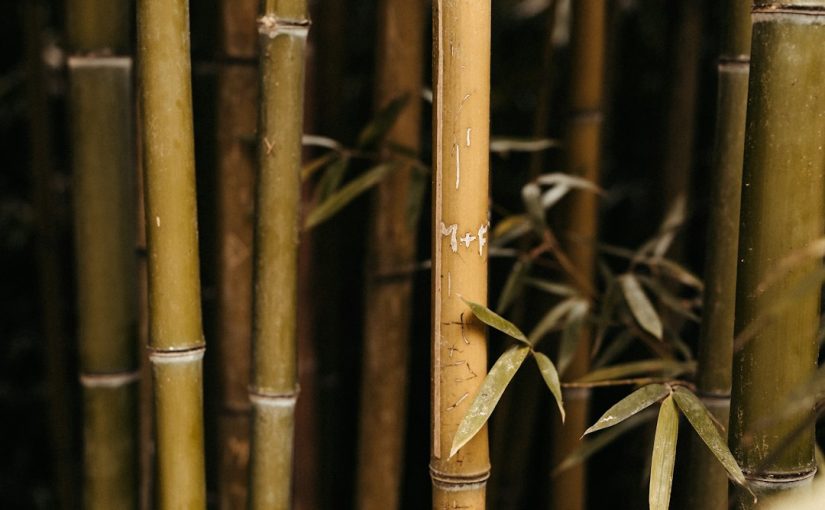
Bamboo, on the other hand, is a member of the grass family, Poaceae, specifically the Bambusoideae subfamily. It is one of the fastest growing plants on Earth, found across diverse climates from cold mountains to hot tropical regions. Unlike rattan, bamboo culms (the scientific term for its woody stems) are typically hollow, segmented by nodes at regular intervals. These nodes provide structural integrity to the otherwise hollow stalk. The growth pattern of bamboo is also distinct; it sprouts directly from underground rhizomes, sending up new culms that rapidly reach their full height and girth within a single growing season.
Structural integrity and material properties
The fundamental botanical differences between cane and bamboo translate directly into their unique structural properties, which dictate their suitability for various applications.
Cane (rattan) is valued for its inherent flexibility and durability. Because rattan stems are solid, they can be steamed and bent into intricate shapes without splitting, a property critical for furniture making. The outer skin of the rattan stem, often called “cane webbing” or “cane,” is incredibly strong and resistant to breaking, making it ideal for weaving chair seats, backs, and decorative panels. The inner core of the rattan is also utilized for various furniture frames. Its solid composition contributes to its ability to withstand significant stress when woven or bent, offering a material that is both robust and aesthetically delicate.
Bamboo, conversely, is celebrated for its remarkable strength-to-weight ratio. Despite its hollow structure, the natural fibers within its culms are incredibly strong, possessing high tensile strength comparable to steel. The segmented nodes act as diaphragms, preventing buckling and distributing stress along the culm. Bamboo’s hardness makes it an excellent material for flooring, cutting boards, and structural components in construction. However, its rigid nature means it is less pliable than rattan; bending bamboo into tight curves typically requires specialized heat treatment and significant force. Its natural resistance to pests and moisture is also a key attribute, making it durable in various environments.
Here is a simplified comparison of their key properties:
| Feature | Cane (Rattan) | Bamboo |
|---|---|---|
| Botanical Origin | Rattan palm (climbing vine) | Grass family |
| Core | Solid | Hollow, segmented |
| Flexibility | High (especially when processed) | Low (high tensile strength, but less pliable) |
| Primary Use | Weaving (furniture, baskets), decorative | Construction, flooring, furniture, textiles |
| Growth Rate | Moderate | Very fast |
| Surface Texture | Smoother, often peeled for weaving | Knobbly nodes, often natural finish |
Crafting and common applications
Due to their distinct properties, cane and bamboo have carved out specific niches in craftsmanship and industry, though there can be some overlap.
Cane is predominantly used in applications where flexibility, weaving, and an elegant aesthetic are paramount. When people speak of “cane furniture,” they often refer to items made from rattan, where the outer skin (cane) is intricately woven to create lightweight yet sturdy surfaces. This includes:
- Woven furniture: Chair seats, backrests, headboards, and decorative panels.
- Baskets and storage: Its pliable nature makes it excellent for intricate basketry.
- Walking sticks and decorative items: Its natural smooth finish and strength are suitable for these.
- Binding and wrapping: Thinner strips of cane are used for tying and decorative elements.
The solid core of the rattan is also used to create the frames of “wicker” furniture, which is a broad term referring to woven products, often including rattan.
Bamboo’s versatility, stemming from its strength and rapid growth, leads to a much broader range of applications, some of which are industrial:
- Construction: Scaffolding, structural beams, roofing, and wall panels.
- Flooring and decking: Engineered bamboo products are popular for their hardness and durability.
- Furniture: Sturdy frames, tables, and outdoor furniture.
- Textiles: Bamboo fibers are processed into soft, breathable fabrics for clothing and linens.
- Culinary and utensils: Cutting boards, skewers, chopsticks, and steaming baskets.
- Musical instruments: Flutes, drums, and wind chimes.
- Paper and pulp: Used as a sustainable alternative to wood pulp.
While both materials evoke a natural, often tropical, aesthetic, their specific uses are a testament to their inherent strengths: cane for its intricate flexibility and bamboo for its structural robustness and rapid renewability.
Sustainability and environmental impact
In an era focused on ecological responsibility, understanding the sustainability aspects of cane and bamboo is essential. Both are often promoted as eco-friendly alternatives to timber and synthetic materials, but their environmental footprints differ.
Bamboo is widely celebrated as one of the most sustainable resources on the planet. Its impressive growth rate, with some species growing several feet per day, allows for rapid regeneration after harvest. Bamboo plantations do not require replanting after harvest because they grow from an extensive rhizome system. This characteristic makes it highly renewable. Furthermore, bamboo requires very little water, no pesticides, and acts as a significant carbon sink, absorbing more carbon dioxide and releasing more oxygen than an equivalent stand of trees. Its ability to thrive in degraded soils also aids in land reclamation and prevents soil erosion.
Cane (rattan) is also a renewable resource, growing naturally in tropical forests. Rattan palms are non-timber forest products, meaning their harvesting generally does not require felling trees, thus potentially minimizing forest destruction compared to timber logging. However, the sustainability of rattan is more nuanced. Much of it is harvested from wild forests, and unsustainable practices, including overharvesting and destructive collection methods, have led to concerns about the depletion of natural rattan stocks and habitat degradation. Sustainable rattan harvesting practices involve selective cutting, allowing younger vines to mature, and ensuring that local communities benefit from the trade. When sourced responsibly, rattan can be a valuable component of sustainable forestry, promoting forest conservation by providing economic incentives to protect natural habitats.
Therefore, while both materials offer environmental advantages, bamboo generally boasts a more straightforward and consistently positive ecological profile due to its rapid growth and minimal cultivation requirements. For cane, conscious sourcing from certified sustainable programs is crucial to ensure its environmental benefits are realized.
In summary, while both cane and bamboo offer sustainable and aesthetically pleasing alternatives to synthetic materials, their differences are profound and impact their utility. Cane, derived from the solid core or outer skin of the rattan palm, is celebrated for its flexibility, allowing it to be expertly woven into intricate patterns and curved furniture pieces. Bamboo, a fast-growing grass, stands out for its remarkable strength, hollow structure, and diverse applications, from flooring to textiles. Recognizing these distinctions – botanical, structural, and practical – is key. Choosing between cane and bamboo ultimately depends on the specific requirements of a project, whether it demands the pliable elegance of cane or the rigid resilience of bamboo. Each material, in its own right, holds a unique and valuable place in craftsmanship and design, offering sustainable solutions for a wide array of human needs.
Image by: Cate Brodersen