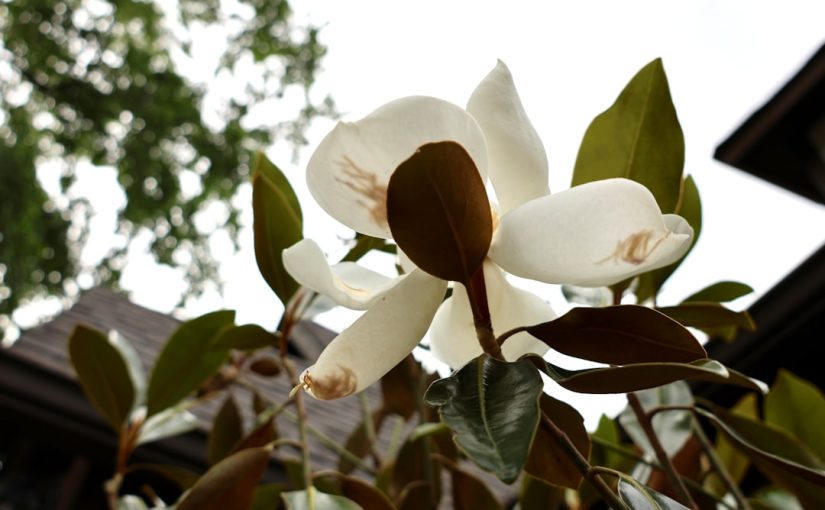
The ‘Little Gem’ Magnolia (Magnolia grandiflora ‘Little Gem’) is a beloved evergreen tree, prized for its compact size, glossy dark green leaves, and fragrant, creamy white flowers. A popular choice for residential landscapes across USDA Hardiness Zones 7-10, its appeal lies in its year-round beauty and relatively manageable stature. While generally considered a robust and resilient specimen, even this horticultural jewel is not immune to a range of challenges. Gardeners often encounter specific issues that can impact its health, vigor, and aesthetic appeal. Understanding these common problems, from environmental stressors to pest infestations and diseases, is crucial for maintaining a thriving ‘Little Gem’. This article will delve into the most frequently observed difficulties, offering insights into identification and prevention, ensuring your magnolia continues to flourish.
Environmental stressors and improper cultural care
Many of the problems encountered with ‘Little Gem’ Magnolias originate from environmental factors or inadequate cultural practices. The right start is paramount; incorrect planting depth is a frequent culprit. Planting the tree too deeply can suffocate its root collar, leading to stunted growth, yellowing leaves, and ultimately, decline. Conversely, planting too shallowly exposes sensitive roots to temperature extremes and desiccation. Both scenarios compromise the tree’s ability to absorb water and nutrients effectively.
Watering is another critical aspect. ‘Little Gem’ Magnolias prefer consistently moist, well-draining soil, especially during their establishment period and dry spells. Overwatering, particularly in heavy clay soils, can lead to root rot, a devastating fungal disease that suffocates roots by depriving them of oxygen. Symptoms include wilting, yellowing leaves, and a general lack of vigor despite ample moisture. Underwatering, on the other hand, causes leaves to droop, turn brown, and potentially drop prematurely. During hot summer months, young trees may require deep watering several times a week, while established trees are more drought-tolerant but still benefit from supplemental irrigation during extended dry periods.
Soil quality also plays a significant role. These magnolias thrive in slightly acidic to neutral soils (pH 6.0-7.0) rich in organic matter. Imbalances in soil pH can lock up essential nutrients, leading to deficiencies. For instance, iron chlorosis, characterized by yellowing leaves with green veins, is common in alkaline soils where iron becomes unavailable. Nutrient deficiencies can also stem from poor soil fertility, necessitating the occasional application of a balanced, slow-release fertilizer tailored for acid-loving plants.
Common pests and their tell-tale signs
Despite its tough exterior, the ‘Little Gem’ Magnolia can fall prey to several common insect pests. Early detection and intervention are key to preventing significant damage. One of the most prevalent issues is scale insects. These tiny, sap-sucking insects attach themselves to stems and the undersides of leaves, appearing as small, waxy bumps. They extract plant sap, leading to stunted growth, yellowing foliage, and eventually dieback. As they feed, scale insects excrete a sticky substance called honeydew, which often leads to the growth of sooty mold on leaves and branches.
Mealybugs are another sap-sucking pest, characterized by their soft bodies covered in a white, cottony wax. They tend to congregate in leaf axils and on new growth, causing similar damage to scale insects, including honeydew production and sooty mold. Aphids, though less common on mature ‘Little Gem’ magnolias, can infest new, tender growth, causing leaves to curl, distort, and also produce honeydew. Spider mites, particularly in hot, dry conditions, can also be an issue, causing stippling on leaves and fine webbing. Recognizing these pests early allows for targeted treatment, often starting with horticultural oils or insecticidal soaps for light infestations, or systemic insecticides for more severe cases.
The table below summarizes common pests, their symptoms, and initial management strategies:
| Pest Type | Common Symptoms | Initial Management |
|---|---|---|
| Scale Insects | Waxy bumps on stems/leaves, yellowing leaves, stunted growth, sooty mold | Scrape off small infestations, horticultural oil, insecticidal soap |
| Mealybugs | White, cottony masses in leaf axils/new growth, stunted growth, sooty mold | Dab with rubbing alcohol, horticultural oil, insecticidal soap |
| Aphids | Curled/distorted new leaves, honeydew, sooty mold | Strong water spray, insecticidal soap, natural predators |
| Spider Mites | Fine stippling on leaves, webbing, bronze/yellowing foliage | Strong water spray, horticultural oil, miticides |
Fungal foes and other plant diseases
Beyond pests, ‘Little Gem’ Magnolias can be susceptible to various fungal and bacterial diseases, many of which are exacerbated by environmental stress or improper cultural practices. Leaf spot diseases are quite common, manifesting as dark, irregular spots on foliage. These are often caused by fungi like anthracnose or various other leaf spot pathogens. While usually not fatal to the tree, severe infections can lead to premature leaf drop and reduce the tree’s aesthetic appeal. Good air circulation, proper spacing, and avoiding overhead watering can help mitigate their spread.
Powdery mildew is another fungal issue, appearing as a white, powdery coating on leaves, particularly new growth. It thrives in humid conditions with poor air circulation. While rarely fatal, it can weaken the tree and distort foliage. Horticultural oils or fungicides can be used for control. Root rot, as mentioned earlier, is a critical problem often linked to overwatering or poorly draining soil. Caused by various soil-borne fungi (like Phytophthora), it leads to a decaying root system, yellowing, wilting, and eventual death of the tree. Prevention through proper site selection and irrigation is paramount, as treatment for established root rot is often difficult.
Sooty mold, while not a disease itself, is a consequence of sap-sucking insect infestations. The black, powdery coating grows on the honeydew excreted by pests like scale or mealybugs. It doesn’t directly harm the plant tissue but can block sunlight, reducing photosynthesis and weakening the tree. Managing the underlying pest problem is the most effective way to eliminate sooty mold, as the mold will eventually flake off once the honeydew source is removed.
Cold injury and structural vulnerabilities
While generally hardy, ‘Little Gem’ Magnolias can suffer from cold damage, particularly when planted at the colder end of their hardiness range (USDA Zone 7) or during unusually harsh winters. Young trees are especially vulnerable. Symptoms of frost damage include browning and crisping of leaves, particularly on the outer canopy. New growth can be entirely killed back by late spring frosts. To protect against cold injury, it’s advisable to plant ‘Little Gems’ in sheltered locations, away from harsh winds, and provide a thick layer of mulch around the base to insulate roots. In marginal zones, winter protection like burlap wraps can be beneficial for young trees.
Structural issues can also arise, often from improper pruning or environmental factors. While ‘Little Gem’ naturally develops a dense, conical shape, errant branches or crossing limbs can occur. Incorrect pruning techniques, such as topping or removing too much interior growth, can lead to a weak structure, creating entry points for diseases, and making the tree susceptible to breakage from strong winds, heavy snow, or ice. Regular, judicious pruning to remove dead, damaged, or rubbing branches, and to maintain a strong central leader, is essential for the tree’s long-term health and stability. Heavy snow and ice accumulation can also weigh down branches, causing them to split or break, particularly on multi-stemmed specimens or those with acute branch angles. Gentle removal of heavy snow accumulation can prevent such damage.
Maintaining a beautiful and healthy ‘Little Gem’ Magnolia is certainly achievable, but it requires diligent observation and proactive care. As we’ve explored, problems typically stem from a combination of environmental stressors, pest activity, disease pathogens, or structural vulnerabilities. From ensuring proper planting depth and consistent watering to promptly addressing scale infestations or fungal leaf spots, each issue requires a targeted approach. Understanding the specific needs of this beloved evergreen, coupled with a commitment to preventive measures like proper site selection and intelligent pruning, will empower gardeners to overcome these common challenges. By being attuned to the early warning signs and implementing timely interventions, your ‘Little Gem’ will continue to be a cherished, fragrant focal point in your landscape for many years to come.
Image by: Scott Greer