For many home gardeners, the sight of a thriving strawberry patch is one of the most rewarding aspects of cultivation. Those bright red, juicy fruits promise sweet delights. However, this dream can quickly turn into a nightmare when uninvited guests decide to feast on your hard work. Among the usual suspects, rabbits are a common concern, often accused of nibbling away at tender leaves and ripe berries. The question, “Do rabbits eat strawberry plants?” is not just about curiosity; it’s a critical inquiry for anyone looking to protect their precious harvest. Understanding rabbit dietary habits and their potential impact on your strawberry beds is the first step toward effective prevention and ensuring your plants flourish untouched.
The rabbit’s palate: Why strawberry plants are a tempting treat
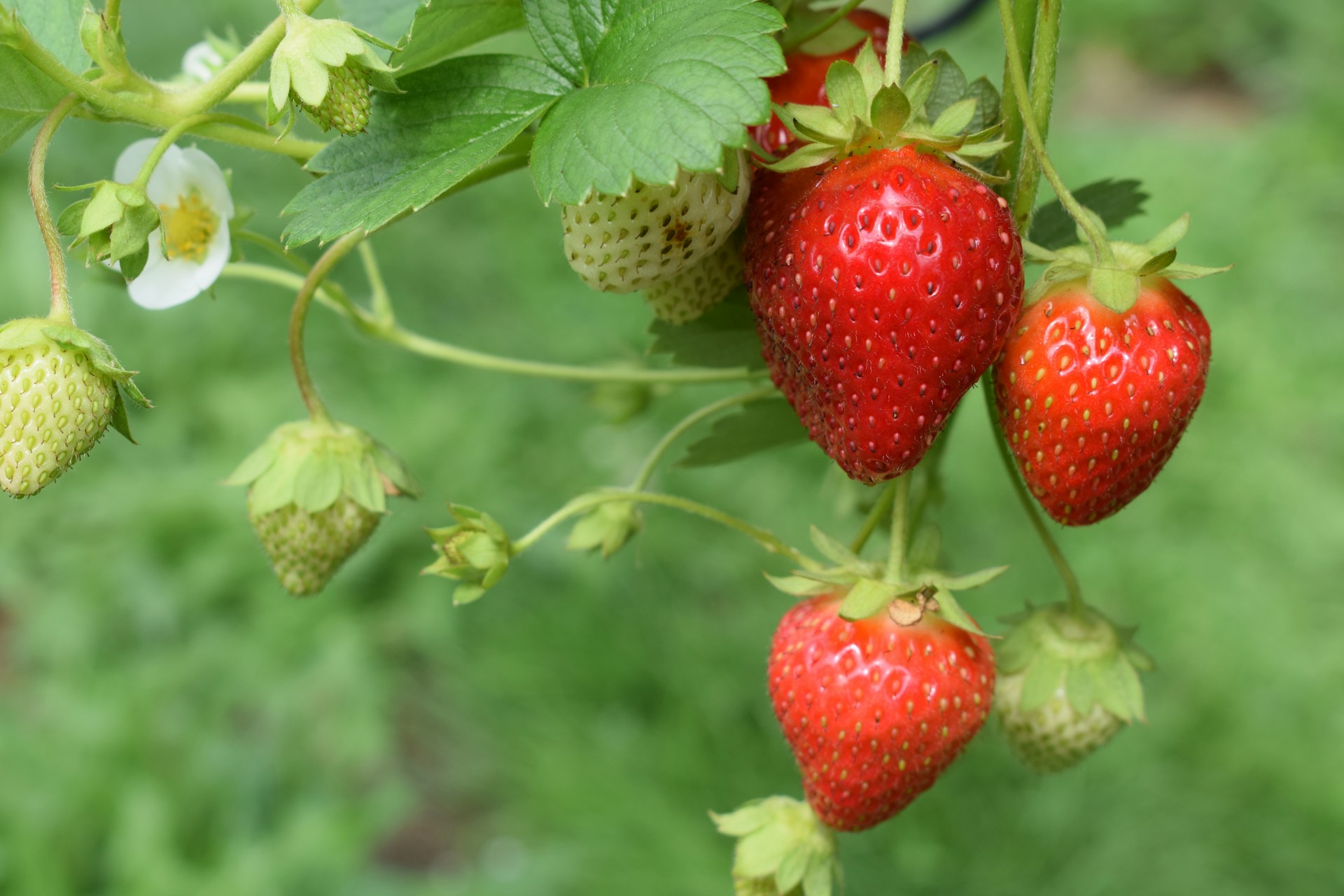
Rabbits are obligate herbivores, meaning their diet consists entirely of plant matter. This broad category includes a vast array of vegetation, from grasses and clover to the tender shoots and leaves of garden plants. Strawberry plants, with their soft leaves, succulent stems, and, of course, their sweet fruits, present an irresistible buffet for many rabbit species. They are particularly attractive due to their nutritional content, offering moisture, essential vitamins, and carbohydrates.
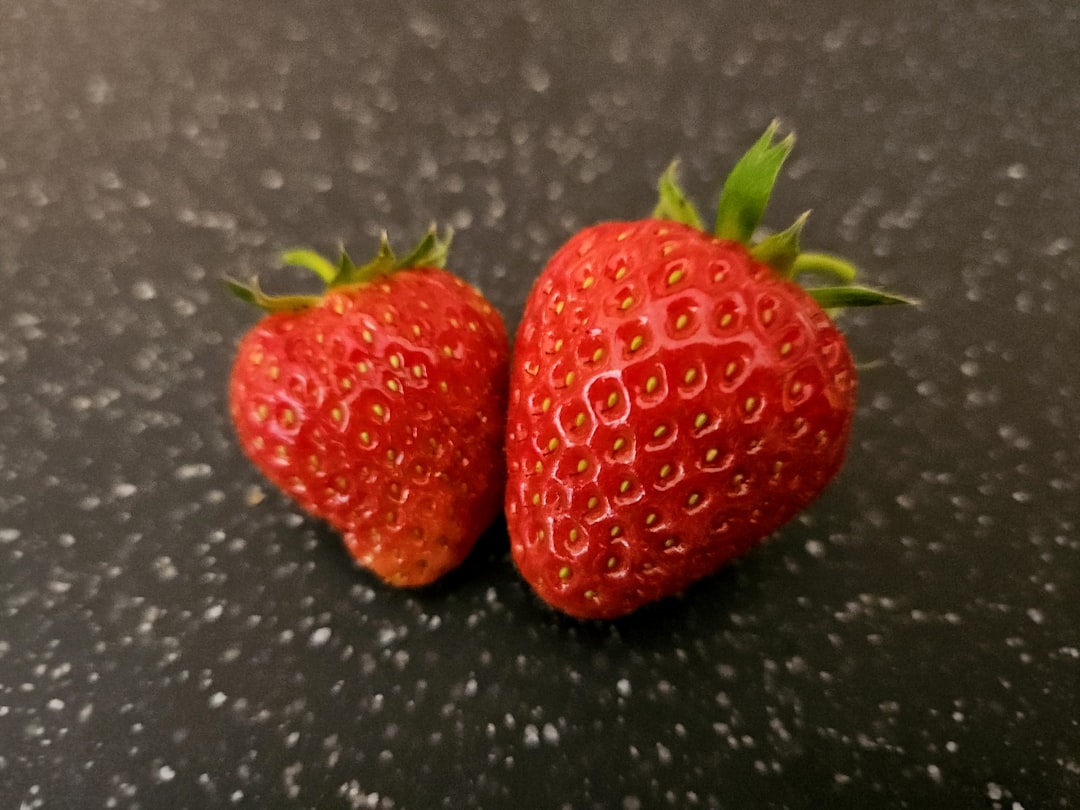
Young strawberry leaves are especially palatable, providing easily digestible greens that are a staple in a rabbit’s diet, particularly in spring when other food sources might be scarce. As the plants mature and begin to fruit, the berries become an even more enticing prize. The natural sugars in strawberries are a high-energy treat for rabbits, making a well-established strawberry patch a prime target. Their foraging behavior is often driven by availability and caloric reward, placing low-growing, fruit-bearing plants like strawberries high on their preferred menu.
Spotting the signs: How to identify rabbit damage
Distinguishing rabbit damage from that caused by other garden pests is crucial for implementing the correct preventative measures. Rabbits have a distinct way of feeding that leaves specific clues. Typically, you’ll observe clean, angled cuts on the stems and leaves, often appearing as if a sharp knife has made the incision. This is in contrast to deer, which tend to tear foliage, leaving ragged edges, or slugs, which leave irregular holes and silvery trails.
When rabbits feed on strawberry plants, they often target young, tender growth first, including emerging leaves and developing flower buds. They might also consume entire small plants down to the ground. Once berries begin to ripen, rabbits will readily nibble on or consume whole fruits. Look for berries that appear partially eaten or entirely missing, especially those low to the ground. Another tell-tale sign of a rabbit’s presence is their droppings: small, pea-sized, round pellets often found near the damaged plants. Observing these specific indicators will help confirm that rabbits are indeed the culprits behind your strawberry patch woes.
Here’s a quick guide to common garden damage and potential culprits:
| Type of damage | Appearance | Likely culprit(s) |
|---|---|---|
| Cleanly clipped stems/leaves | Straight, sharp cuts; often close to the ground | Rabbits |
| Raggedly torn leaves/stems | Uneven, frayed edges | Deer |
| Irregular holes in leaves/berries | Slime trails visible; sometimes entire young plants consumed | Slugs, Snails |
| Partially eaten or missing berries | Evidence of chewing on fruit; often on lower berries | Rabbits, Birds, Squirrels |
Strategies for protection: Keeping bunnies out of your berries
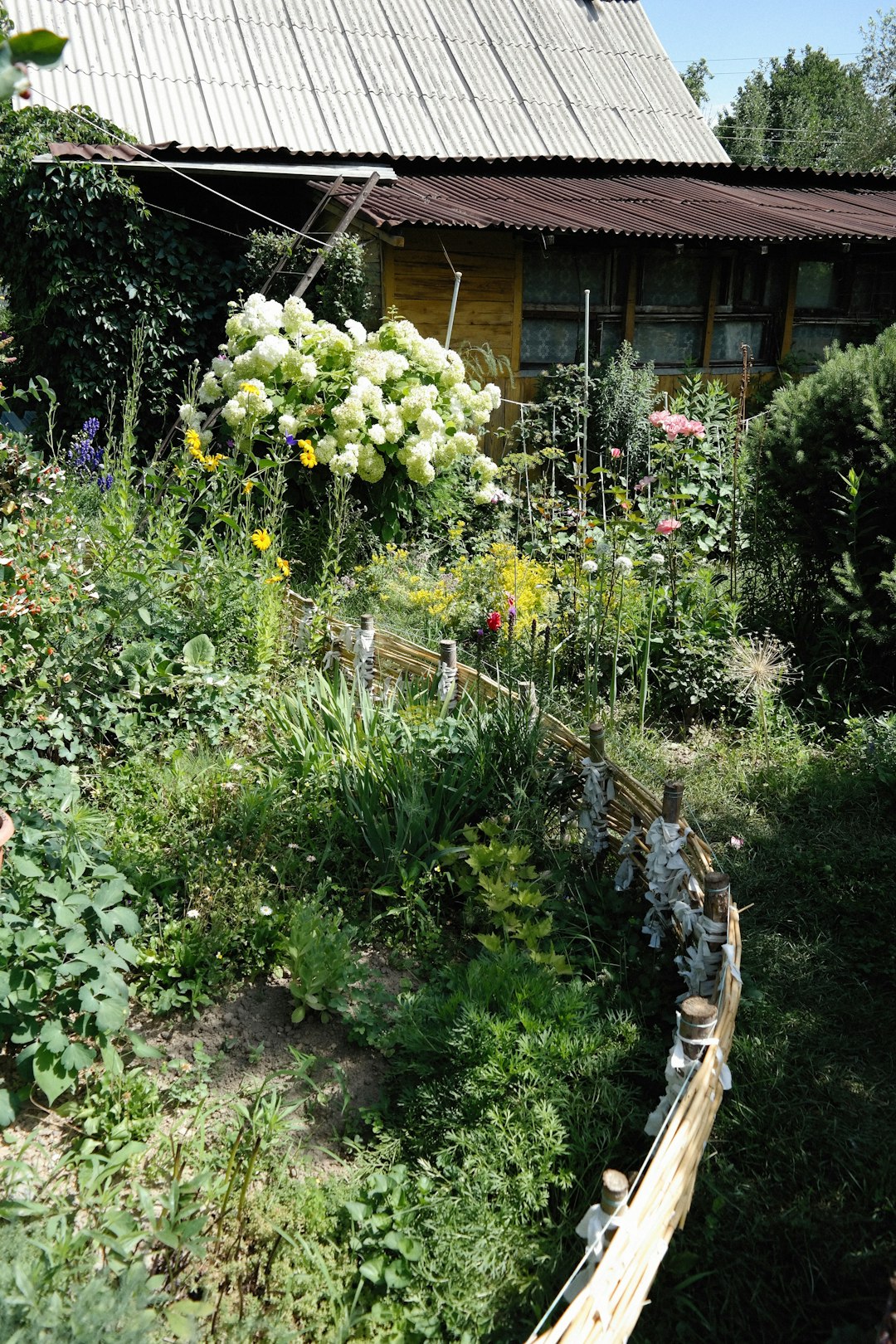
Protecting your strawberry plants from hungry rabbits requires a proactive and often multi-faceted approach. The most effective method is usually a physical barrier. Fencing is paramount: a fence at least 24 inches high is generally recommended, as rabbits are not adept jumpers. However, they are excellent burrowers, so it’s essential to bury the bottom edge of the fence at least 6 to 12 inches into the ground, or bend the bottom 6 inches outwards in an L-shape and secure it with stakes or rocks to prevent them from digging underneath. A mesh size of 1 inch or smaller is critical to ensure young rabbits cannot squeeze through.
Beyond fencing, other deterrents can offer varying degrees of success. Scent-based repellents, utilizing ingredients like garlic, hot pepper, or even predator urine, can sometimes discourage rabbits by making the area less appealing. However, these often require frequent reapplication, especially after rain, and their effectiveness can diminish over time as rabbits habituate to the smell. Taste-based repellents, applied directly to the plants, make the foliage unpleasant to eat, but care must be taken to ensure they are safe for edible crops. Companion planting, while not a foolproof solution for rabbits, involves interspersing strawberries with plants rabbits tend to dislike, such as onions, marigolds, or garlic, which may offer some mild deterrence. Lastly, modifying the habitat around your garden by removing brush piles, tall weeds, and other potential hiding spots can make your yard less attractive to rabbits.
Conclusion
In summary, the answer to whether rabbits eat strawberry plants is a resounding yes. These common garden visitors are indeed fond of the tender leaves, succulent stems, and especially the sweet, ripe fruits of your strawberry patch. Identifying rabbit damage through clean cuts, specific feeding patterns, and the presence of their tell-tale droppings is key to confirming their presence. While their foraging habits can be frustrating for gardeners hoping for a bountiful harvest, a range of effective strategies can be employed to protect your plants. Physical barriers, primarily sturdy and properly installed fencing, remain the most reliable defense against these persistent herbivores. Supplementing these with repellents and maintaining a tidy garden can further discourage rabbits from viewing your strawberries as their next meal. By understanding rabbit behavior and implementing preventive measures, you can safeguard your strawberry plants, ensuring that your efforts are rewarded with an abundant and delicious crop.