Introduction
Honeysuckle, with its enchanting fragrance and vibrant blooms, is a beloved addition to many gardens. Whether you’re growing a climbing vine to adorn a trellis or a shrub for a dense border, these versatile plants can bring significant beauty and ecological benefits. However, like many vigorous growers, honeysuckle often raises a common question among gardeners: do you really need to prune it? The simple answer is yes, most varieties benefit immensely from regular pruning. Far from being an optional chore, strategic pruning is key to maintaining the plant’s health, encouraging abundant flowering, controlling its growth, and preserving its overall aesthetic appeal. Understanding the ‘why,’ ‘when,’ and ‘how’ of pruning honeysuckle can transform a sprawling plant into a perfectly managed garden highlight.
The benefits of pruning honeysuckle
Pruning honeysuckle is not merely about tidying up; it is a fundamental practice that underpins the plant’s long-term health and ornamental value. A well-pruned honeysuckle will consistently outperform an unmanaged one, both in appearance and vitality.
- Promotes vigorous flowering: Many honeysuckle species bloom on new wood or a combination of old and new wood. Pruning encourages the plant to produce more of the growth that bears flowers, leading to a much more spectacular display. Removing old, unproductive stems channels the plant’s energy into developing fresh, floriferous shoots.
- Maintains plant health: Pruning allows you to remove dead, diseased, or damaged branches, which are not only unsightly but can also become entry points for pests and diseases. By eliminating these weak points, you improve air circulation within the plant, reducing the risk of fungal issues and strengthening its natural defenses.
- Controls size and shape: Honeysuckle, especially climbing varieties, can be incredibly vigorous and quickly outgrow its designated space. Regular pruning helps to manage its size, preventing it from overwhelming nearby plants or structures. It also allows you to shape the plant, whether you want a compact shrub, a neatly trained climber, or a dense hedge.
- Rejuvenates older plants: Over time, honeysuckle can become leggy, woody, and less floriferous. Rejuvenation pruning, a more intensive technique, can breathe new life into an aging plant, stimulating fresh growth from the base and restoring its youthful vigor and blooming capacity.
- Enhances air circulation: A dense, unpruned honeysuckle can become a tangled mass of stems. Thinning out crowded areas improves air circulation throughout the canopy, which is crucial for preventing humidity-related problems like powdery mildew.
Timing and techniques for effective pruning
The success of honeysuckle pruning hinges significantly on correct timing and the application of appropriate techniques. Different types of honeysuckle (shrub vs. vine, spring vs. summer flowering) have specific optimal pruning windows.
General Pruning Timelines:
| Honeysuckle type | Primary goal of pruning | Optimal pruning time | Typical technique |
|---|---|---|---|
| Summer-flowering vines (e.g., Lonicera periclymenum, L. japonica) | Maximize blooms, manage size | Late winter to early spring (dormant) | Remove dead/diseased wood, thin out congested growth, shorten side shoots |
| Spring-flowering vines/shrubs (e.g., Lonicera fragrantissima, early bloomers) | Maintain shape, promote next year’s blooms | Immediately after flowering | Light trim to shape, remove spent flower stems, thin oldest stems |
| Evergreen shrubs (e.g., Lonicera nitida) | Maintain hedge shape, density | Spring and summer (light trimming) | Shear to maintain desired shape, light annual tidy-up |
| Overgrown/rejuvenation pruning | Restore vigor, reduce large size | Late winter (dormant) | Cut back up to 1/3 of older, woody stems to stimulate new growth from base |
Key Pruning Techniques:
- Deadheading: While not strictly pruning, removing spent flowers can sometimes encourage a second flush of blooms, particularly in re-blooming varieties.
- Thinning: This involves removing entire branches back to their point of origin to open up the plant’s canopy, improve air circulation, and reduce density. Focus on the oldest, least productive stems.
- Heading back: This technique shortens branches by cutting them back to a side shoot or a bud. It’s used to control size, direct growth, and encourage bushiness. Always cut at an angle, about 1/4 inch above an outward-facing bud.
- Rejuvenation pruning (hard pruning): For severely overgrown or unproductive plants, this involves cutting back a significant portion (up to one-third to one-half) of the oldest, thickest stems to near ground level over a period of 1-3 years. This stimulates vigorous new growth from the base.
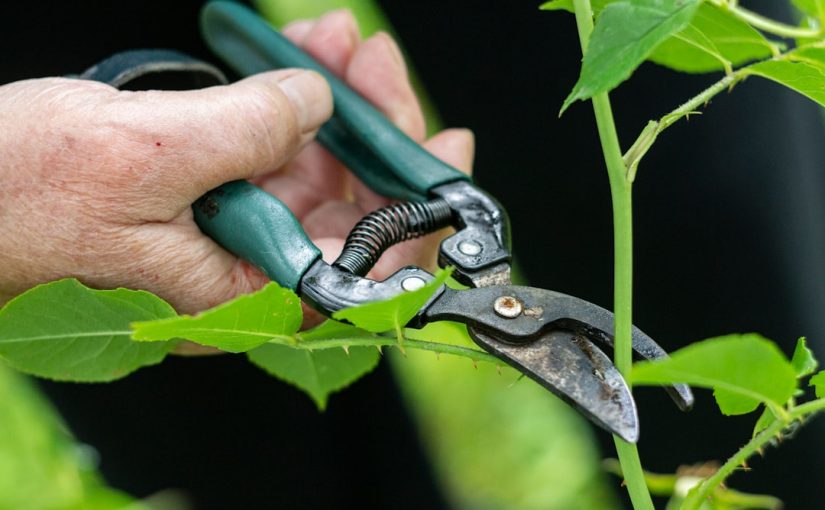
- Cleanliness and tools: Always use sharp, clean pruning shears, loppers, or a saw. Disinfect tools between plants, especially if you’re dealing with diseased material, to prevent the spread of pathogens.
Maintaining health and vigor through diligent care
Beyond the act of cutting, successful honeysuckle pruning is part of a broader commitment to diligent plant care. Understanding how pruning integrates with other horticultural practices is crucial for cultivating robust, attractive honeysuckle plants year after year.
- Annual inspection: Make it a habit to inspect your honeysuckle regularly, not just during pruning season. Look for signs of stress, pests, or disease. Early detection can save your plant. Remove any broken or damaged branches immediately, regardless of the time of year.
- Fertilization and watering: A properly nourished and hydrated honeysuckle will recover more quickly from pruning and exhibit stronger growth. Ensure the soil is well-draining and provide adequate water, especially during dry spells. A balanced slow-release fertilizer in spring can support new growth.
- Support for climbers: For vining honeysuckles, provide a sturdy trellis, arbor, or fence for support. Pruning helps to train the plant onto these structures and prevents it from becoming a tangled mess, making future pruning easier and more effective.
- Avoiding over-pruning: While pruning is beneficial, excessive or incorrect pruning can stress the plant, reduce flowering, or even kill it. Never remove more than one-third of the plant’s total mass in a single season, unless you are performing a drastic rejuvenation prune over multiple years. Understand the specific flowering habits of your honeysuckle variety to avoid cutting off flower buds.
- Patience and observation: Gardening is an ongoing learning process. Observe how your honeysuckle responds to pruning. Does it bloom more profusely? Does it maintain a better shape? Adjust your techniques in subsequent seasons based on your observations. Each plant is unique, and a tailored approach yields the best results.
Conclusion
Ultimately, the question of whether you need to prune honeysuckle is unequivocally answered with a resounding yes. This essential garden task goes far beyond simple aesthetics; it is a vital practice that underpins the plant’s enduring health, vitality, and spectacular display. From fostering an abundance of fragrant blooms to preventing disease and managing vigorous growth, intentional pruning transforms a potentially unruly plant into a well-structured, thriving specimen. By understanding the distinct needs of your honeysuckle variety, observing the optimal timing for cuts, and employing the correct techniques, you empower your plant to flourish. Embrace pruning not as a chore, but as an integral part of nurturing your honeysuckle, and you will be rewarded with a magnificent garden feature that brings joy and beauty season after season. A little consistent effort truly makes all the difference.
Image by: Margarita Shtyfura