The humble pine tree, a ubiquitous evergreen found across diverse landscapes, often goes unnoticed beyond its majestic stature and fragrant aroma. Yet, for centuries, various cultures have recognized pines not just for their timber or decorative appeal, but as a surprising and valuable source of sustenance. Far from being merely a Christmas adornment or a source of lumber, the pine tree harbors a remarkable array of edible parts, offering both nutrition and flavor. From the nutritious seeds hidden within their cones to the vitamin-rich needles, and even the often-overlooked inner bark, these resilient trees provide a pantry of edible treasures for those who know where to look. This article will delve into the remarkable culinary potential of pine trees, exploring their accessible and often delicious parts, while also emphasizing crucial identification tips and sustainable harvesting practices for the aspiring forager.
Nourishing needles and aromatic teas
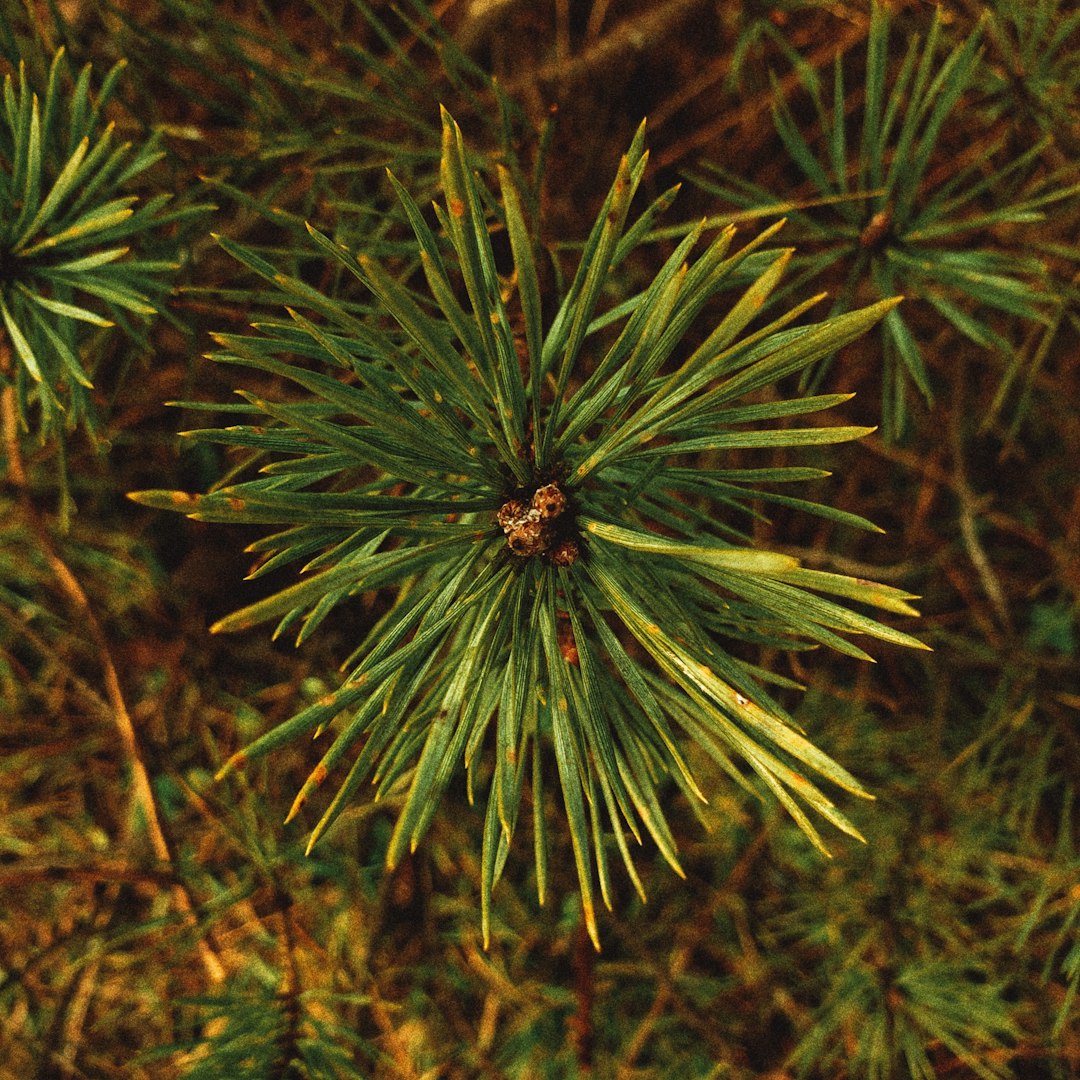
Perhaps one of the most accessible edible parts of a pine tree is its needles, which offer more than just their distinctive scent. Pine needles are a fantastic source of vitamin C, historically used by sailors and explorers to combat scurvy. Different species of pine needles offer varying flavor profiles, ranging from bright citrusy notes to deeper, more resinous undertones. To prepare a comforting and healthful pine needle tea, simply gather fresh, vibrant needles (ensuring they are from an edible species, avoiding ponderosa pine which is toxic). Rinse them thoroughly, chop them finely to release their oils, and steep them in hot water for 5-10 minutes. The resulting infusion is not only refreshing but also packed with antioxidants. Beyond teas, chopped pine needles can also be used sparingly to infuse flavor into oils, vinegars, or even certain baked goods, adding a unique, earthy dimension to your culinary creations.
The sought-after nuts and survival bark
Among the most prized edible components of the pine are its seeds, commonly known as pine nuts. These small, buttery kernels are a powerhouse of nutrition, rich in protein, healthy fats, magnesium, and vitamin E. Harvesting pine nuts involves a bit of patience and effort, typically collected from mature pine cones that have fallen or are still on the tree. The cones must be dried to encourage them to open and release their precious cargo. Once extracted, pine nuts can be enjoyed raw, toasted to enhance their flavor, or incorporated into a myriad of dishes, from the classic pesto to salads, breads, and desserts. Another historically significant edible part, particularly in survival situations, is the inner bark or cambium. This thin, moist layer located between the outer bark and the wood is surprisingly nutritious, providing carbohydrates and some minerals. Native American tribes often peeled the outer bark to access and consume the cambium, either raw, dried and ground into flour, or boiled. Sustainable harvesting of inner bark is crucial; it should ideally only be taken from fallen trees or very sparingly from live trees to avoid girdling and killing them.
Pollen, sap, and tender cones
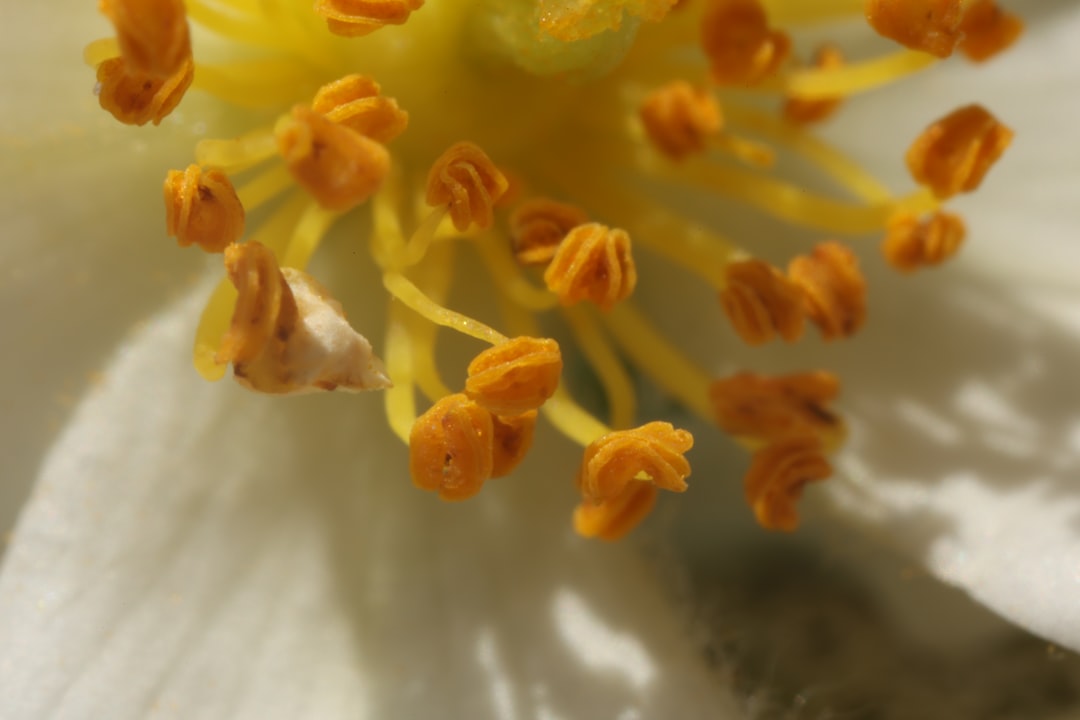
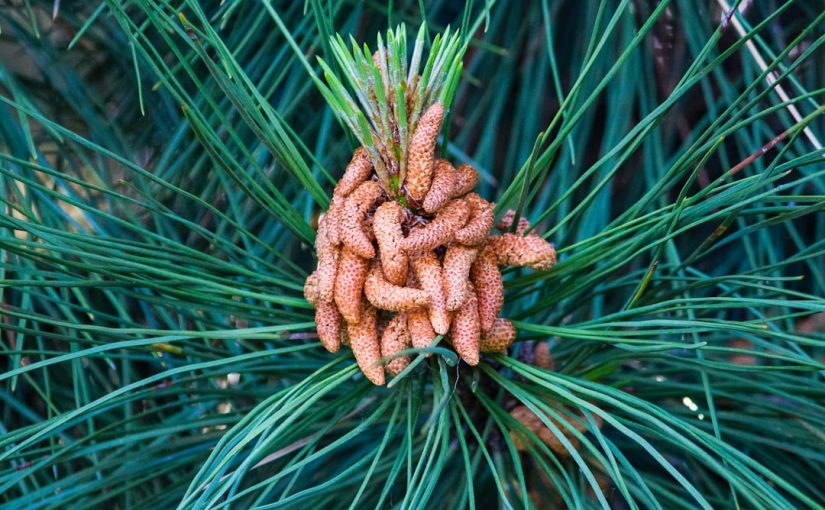
The pine tree’s edible bounty extends even further to its pollen, sap, and young cones. Pine pollen, a fine, yellow powder released by male cones in spring, has gained popularity as a superfood due to its rich content of vitamins, minerals, amino acids, and antioxidants. It can be collected by shaking male cones over a container or fabric and then added to smoothies, cereals, or used in baking for a nutritional boost. Pine sap, or resin, while not typically a primary food source, has medicinal properties and can be used in small quantities. It can be chewed like gum in survival situations for its antiseptic qualities or as a minor energy source, though excessive consumption can have a laxative effect. Lastly, the immature male cones, often referred to as catkins, are tender and edible when very young. They can be eaten raw, offering a slightly tart and resinous flavor, or lightly cooked. The young female cones can also be chewed for their inner core, though they are often quite resinous. These parts illustrate the pine’s extensive utility beyond just its more commonly known nuts and needles.
Here’s a quick overview of edible pine parts and their primary uses:
| Edible Part | Primary Use | Key Nutrients / Notes |
|---|---|---|
| Pine Needles | Herbal tea, flavoring | Vitamin C, antioxidants, refreshing aroma |
| Pine Nuts | Snack, pesto, baking | Protein, healthy fats, magnesium, vitamin E |
| Inner Bark (Cambium) | Survival food, flour | Carbohydrates, fiber, historically vital |
| Pine Pollen | Supplement, superfood | Vitamins, minerals, amino acids, antioxidants |
| Pine Sap | Binder, medicinal, chewing gum | Resinous compounds, small amounts |
| Immature Male Cones | Snack, raw/cooked | Small amounts of nutrients, slightly acidic, tender |
Essential safety and sustainable foraging
While the pine tree offers a diverse array of edible parts, safety and sustainability must be at the forefront of any foraging endeavor. First and foremost, accurate identification is absolutely paramount. Ensure you are foraging from a true pine species (genus Pinus) and not a poisonous look-alike, such as the highly toxic yew tree. While most true pines are edible, certain species, like the ponderosa pine (Pinus ponderosa), have needles that are considered toxic and should be avoided. Always consult reliable field guides and, if unsure, do not consume. Beyond identification, proper preparation is essential; thoroughly wash all foraged items. Finally, practicing sustainable harvesting ensures the health and longevity of the forest. Never over-harvest any single tree or area. For inner bark, only take from fallen branches or trees when possible, or make very small, localized cuts on live trees to avoid girdling. When collecting pollen or needles, take only what you need and leave plenty for the tree’s continued growth and reproduction. Respecting nature’s balance allows us to enjoy these wild edibles for years to come.
The pine tree, often underestimated, truly stands as a remarkable source of sustenance, offering a diverse pantry of edible parts from its needles to its nuts. We’ve explored how the vitamin C-rich needles can be brewed into invigorating teas, the caloric density and flavor of pine nuts that elevate countless dishes, and the historical significance of the inner bark (cambium) as a vital survival food. Furthermore, we touched upon the nutritional benefits of pine pollen and the surprising versatility of sap and immature cones. This journey through the edible pine underscores its deep connection to human history and its potential as a sustainable food source. However, the most critical takeaway is the absolute necessity of accurate identification and responsible foraging practices. With careful research and respect for nature, the resilient pine can indeed offer a bounty of healthful provisions for the discerning individual, reminding us of the wild edible treasures that often surround us.
Image by: Jeffrey Hamilton