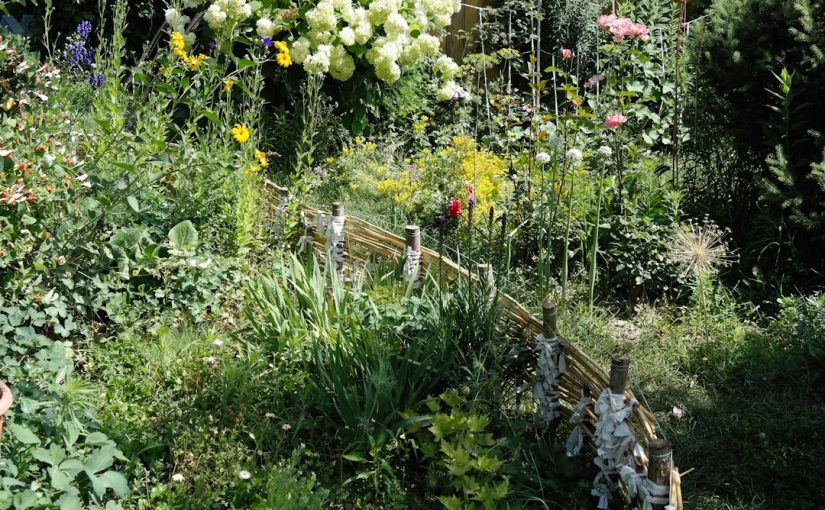
Transforming an ordinary garden into a lush, dynamic landscape often involves introducing plants that defy horizontal limitations. Vines, with their inherent ability to climb, sprawl, and cling, offer an unparalleled vertical dimension to any outdoor space. From softening harsh architectural lines to creating vibrant focal points and even providing edible delights, these versatile climbers are garden game-changers. Choosing the right vine can significantly enhance aesthetics, offer shade, create privacy, and attract beneficial wildlife. This article will explore a variety of examples, delving into their unique characteristics and how they can be effectively integrated into your garden design, ensuring both beauty and functionality.
The vertical appeal of garden vines
Vines are more than just pretty plants; they are architectural elements that add depth, texture, and life to a garden. Their natural growth habit allows them to conquer vertical spaces, transforming fences, arbors, pergolas, and walls into living tapestries. Understanding the different types of vines and their climbing mechanisms is crucial for successful integration. Some vines, like clematis and wisteria, are
twiners
, wrapping their stems or petioles around supports. Others, such as grapevines and passionflowers, utilize delicate
tendrils
to grasp onto structures. Vines like climbing hydrangeas and English ivy develop
aerial roots
or adhesive pads that allow them to cling directly to surfaces, while rambling roses simply sprawl and need to be tied. Each mechanism dictates the type of support structure required, from delicate netting for tendril climbers to robust pergolas for vigorous twiners. Beyond their aesthetic appeal, vines serve practical purposes, providing shade, enhancing privacy, and even improving air quality, making them a multifaceted addition to any garden design.
Spectacular ornamental flowering vines
For sheer visual impact and fragrance, ornamental flowering vines are unparalleled. They can create breathtaking displays that evolve with the seasons. Here are some standout examples:
-
Clematis: Often called the “Queen of Vines,” clematis offers an incredible diversity of flower shapes, sizes, and colors. From large, dramatic blooms to delicate bell-shaped flowers, they can be found in varieties that bloom from spring through fall. Their twining petioles require slender supports like trellises or wires. Different pruning groups exist, depending on their bloom time, which is crucial for maximizing flower production.
-
Wisteria: Renowned for its cascades of fragrant, pea-like flowers in shades of purple, blue, pink, or white, wisteria is a showstopper. It is a vigorous grower that requires extremely sturdy support, such as a heavy-duty arbor or pergola, and regular pruning to control its size and encourage flowering. While breathtaking, its robust growth habit means it needs careful placement and management.
-
Honeysuckle (Lonicera): Many species of honeysuckle are highly fragrant, attracting hummingbirds and beneficial insects. Varieties range from bushy shrubs to vigorous climbers, with trumpet-shaped flowers in various colors. Native honeysuckles are excellent choices for ecological gardens, providing nectar and habitat.
-
Climbing roses: While technically ramblers that need tying to supports, climbing roses bring classic elegance and often intense fragrance to vertical spaces. They come in an array of colors and bloom types, perfect for adorning fences, arbors, or walls with a touch of timeless romance.
Productive vines for your palate
Beyond beauty, some vines offer the rewarding benefit of edible produce, transforming your garden into a source of fresh ingredients. Integrating these functional vines allows for a blend of aesthetics and gastronomy.
-
Grapes (Vitis): Grapevines are a classic choice for edible landscaping, providing delicious fruit for snacking, juice, or winemaking. They also offer attractive foliage and, in many varieties, beautiful fall color. Grapes are tendril climbers that need sturdy arbors, pergolas, or trellises, and require annual pruning for optimal fruit production and vine health.
-
Kiwi (Actinidia): Both the fuzzy kiwi (
Actinidia deliciosa
) and the hardier, smaller-fruited hardy kiwi (
Actinidia arguta
) are vigorous, attractive vines. Most varieties are dioecious, meaning you need both male and female plants for fruit production. They are tendril climbers that need strong support systems and consistent watering.
-
Passionfruit (Passiflora): Famous for their intricate, exotic flowers, many passionfruit varieties also produce delicious, aromatic fruits. Some species, like
Passiflora incarnata
(Maypop), are hardy in temperate climates, while tropical varieties require warmer conditions. They are tendril climbers that add a unique flair to any edible landscape.
-
Runner beans (Phaseolus coccineus): An annual vine, runner beans are grown for their edible pods and attractive, often red or bicolored flowers. They are twining vines that quickly cover trellises or poles, offering a fast-growing, productive screen or addition to a vegetable garden.
Functional vines for structure and screening
Vines excel at fulfilling practical roles in the garden, from creating living screens to covering unsightly features or providing groundcover. Their vigorous growth and dense foliage make them ideal for these purposes.
-
Virginia Creeper (Parthenocissus quinquefolia): A native vine in many regions, Virginia Creeper is incredibly robust and fast-growing, making it excellent for quickly covering fences, walls, or large areas as groundcover. It clings with adhesive pads and offers stunning red-purple fall foliage.
-
Climbing Hydrangea (Hydrangea anomala petiolaris): A magnificent choice for shady walls or fences, climbing hydrangea self-clings with aerial roots. It establishes slowly but eventually creates a dense, textural cover with attractive peeling bark in winter and lacecap-like white flowers in summer.
-
Trumpet vine (Campsis radicans): Known for its vibrant, trumpet-shaped orange or red flowers that attract hummingbirds, trumpet vine is an incredibly vigorous climber. It uses aerial roots to cling and can quickly cover large structures, but its assertive growth requires regular pruning to keep it in bounds.
-
English Ivy (Hedera helix): While often overused and potentially invasive in some areas, English ivy remains a popular choice for its evergreen foliage and ability to quickly cover walls, fences, or serve as a dense groundcover, especially in shade. It clings with aerial roots and needs monitoring to prevent unwanted spread.
Here is a comparison of some popular vine examples:
| Vine Example | Primary Use | Climbing Mechanism | Light Needs | Special Notes |
|---|---|---|---|---|
| Clematis | Ornamental | Twining petioles | Sun to part shade | Diverse varieties, various bloom times; pruning group dependent. |
| Wisteria | Ornamental | Twining stems | Full sun | Extremely vigorous, needs robust support and regular pruning. |
| Grapes | Edible/Ornamental | Tendrils | Full sun | Requires sturdy support and annual pruning for fruit. |
| Climbing Hydrangea | Ornamental/Cover | Aerial roots | Part shade to shade | Slow to establish, beautiful winter bark, great for cool walls. |
| Trumpet Vine | Ornamental/Functional | Aerial roots | Full sun | Very vigorous, attracts hummingbirds; can be aggressive. |
Incorporating vines into your garden design offers a dynamic way to enhance both its beauty and functionality. From the vibrant hues of ornamental climbers like clematis and wisteria that transform fences and arbors into living art, to the practical yield of edible varieties like grapes and kiwi that enrich your culinary endeavors, the possibilities are vast. Vines also serve crucial roles in creating privacy, providing shade, and covering unsightly structures with lush foliage, as demonstrated by the likes of climbing hydrangea and Virginia creeper. By carefully selecting vines that suit your climate, light conditions, and desired aesthetic or functional purpose, you can unlock the full potential of vertical gardening. Remember to consider their growth habits and support requirements to ensure a thriving, captivating, and well-integrated living landscape for years to come.
Image by: Alexey Demidov