Flying bugs that eat wood: A homeowner’s guide to identification and defense
The thought of tiny invaders silently munching away at the structural integrity of your home is unnerving, yet it’s a reality many homeowners face. While many wood-destroying insects are covert operators, some reveal their presence by taking to the skies. These flying bugs are often a clear, albeit alarming, sign of an underlying infestation that demands immediate attention. Understanding which winged pests pose a threat, how to identify them, and the tell-tale signs of their damage is crucial for protecting your most valuable asset. This guide will delve into the world of flying wood-eaters, providing you with the knowledge needed to spot these aerial attackers and defend your property effectively.
Identifying the winged menace: Common flying wood-eaters
When you spot a flying insect that appears to be interested in your home’s timber, the first step is accurate identification. Not all bugs with wings that interact with wood are equally destructive, but some are definitive red flags. The primary culprits in this category are termite swarmers, carpenter ant swarmers, and various species of wood-boring beetles.
Termite swarmers are often confused with flying ants. However, there are key distinctions. Termite swarmers have straight antennae, thick waists, and two pairs of wings that are roughly equal in size and length, often extending beyond their body. Their sole purpose is reproduction and establishing new colonies, typically emerging during specific times of the year, often after rain. Finding discarded wings near windows or light sources is a strong indicator of a subterranean or drywood termite problem.
Carpenter ant swarmers, on the other hand, share some similarities but also crucial differences. They possess elbowed antennae, a distinctly constricted waist, and two pairs of wings where the front pair is noticeably longer than the back pair. Unlike termites, carpenter ants don’t actually eat wood for sustenance; they excavate tunnels and galleries to build their nests. Their presence as swarmers also indicates a mature colony nearby, likely within wooden structures.
Lastly, wood-boring beetles, in their adult stage, can sometimes be found flying. Species like powderpost beetles and old house borers emerge from wood after their larval stage has caused extensive internal damage. While the adults themselves do not typically consume wood, their emergence from small, round or oval exit holes in wooden surfaces confirms an active infestation of their wood-munching larvae within.
The damage they inflict: Beyond mere munching
The type and severity of damage inflicted by these flying wood-eaters vary significantly based on the pest. Understanding these differences is vital for assessing the threat and determining the appropriate course of action.
Termites are arguably the most destructive. Their workers consume cellulose around the clock, hollowing out wood from the inside while leaving a thin exterior shell. This often goes unnoticed until significant structural damage has occurred. Subterranean termites require moisture and build distinctive mud tubes for protection and travel. Drywood termites, prevalent in warmer climates, nest directly within the wood and produce distinct fecal pellets called frass, which resemble small, hard grains of sand.
Carpenter ants, as mentioned, do not eat wood. Instead, they chew through it to create smooth, clean galleries for their nests. This results in piles of coarse, sawdust-like frass (often mixed with insect body parts and insulation fragments) that can be found beneath infested wood. While they don’t consume wood, their tunneling can still weaken structural timbers, especially when galleries become extensive.
Wood-boring beetles are unique because the damage is primarily done by their larvae. The adult beetles you see flying are simply emerging to mate and lay eggs, continuing the cycle. The larvae tunnel extensively within the wood, packing their tunnels with fine, powdery frass or coarser borings, depending on the species. The most visible sign of an active beetle infestation is the presence of small, perfectly round or oval exit holes on the surface of wood, often accompanied by piles of powdery frass underneath.
Table: Comparing Common Flying Wood-Eating Pests
| Pest Type | Flying Form Appearance | Primary Wood Damage | Indicative Signs |
|---|---|---|---|
| Termite Swarmers | Dark bodies, two pairs of equally sized wings, straight antennae, thick waist. | Eating wood from the inside out, leaving mud tubes. | Discarded wings, mud tubes, hollow-sounding wood. |
| Carpenter Ant Swarmers | Dark bodies, two pairs of unequally sized wings (front longer), elbowed antennae, constricted waist. | Tunneling through wood to create nests, not eating it. | Sawdust-like frass (wood shavings), visible galleries, rustling sounds. |
| Wood-Boring Beetles (e.g., Powderpost, Old House Borer) | Varies greatly by species (small, reddish-brown to larger, dark beetles); emerge from wood. | Larvae bore tunnels and consume wood, leaving fine dust or larger frass. | Small exit holes, powdery frass (bore dust), weakened wood. |
Lifecycle and flight: Understanding their spread
The appearance of flying forms of these pests is directly tied to their reproductive cycles and the expansion of their colonies. This understanding is key to identifying vulnerable times and areas.
For termites and carpenter ants, the winged individuals are called alates or swarmers. These individuals are the reproductive caste of the colony. When a colony reaches a certain size and maturity, it produces a generation of alates that emerge from the nest to mate and establish new colonies. This swarming event is often triggered by specific environmental conditions, such as temperature, humidity, and rainfall. Termite swarms often occur during spring or fall, while carpenter ant swarms can happen from spring through summer. After mating, these swarmers shed their wings and attempt to find a suitable location to start a new colony, often seeking out moist or damaged wood. The presence of swarmers, especially indoors, is a definitive sign of an active infestation within or very near the structure.
Wood-boring beetles have a different flight dynamic. The adult beetles, after developing from larvae within the wood, emerge from exit holes. Their flight is typically for mating purposes. Once they mate, the female beetles seek out new untreated or susceptible wood to lay their eggs, thus perpetuating the cycle. The emergence of adult beetles often indicates that the larvae have already spent a significant amount of time tunneling and feeding within the wood, potentially causing substantial damage before the adults ever appear. The timing of their emergence varies by species, but many are active during warmer months.
Prevention and professional intervention: Protecting your property
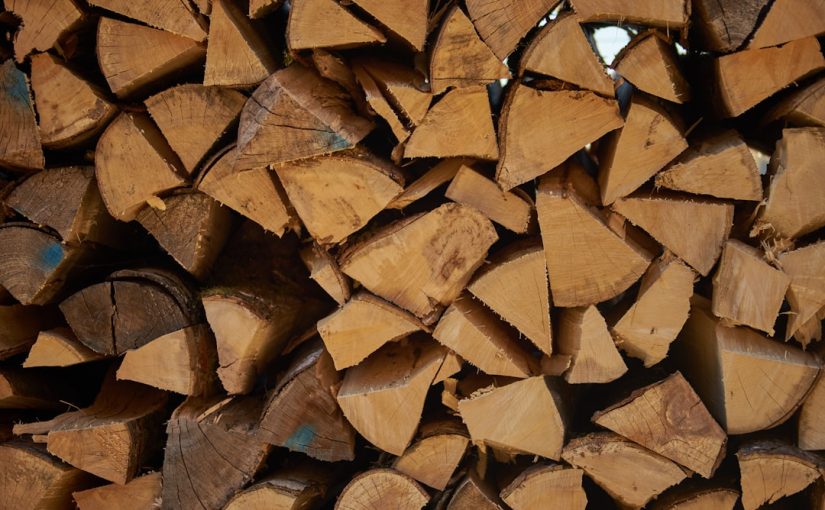
Proactive measures are your first line of defense against flying wood-eating bugs. Minimizing moisture around your home is crucial, as many of these pests are attracted to damp or rotting wood. Repair leaky pipes, ensure proper drainage, and keep gutters clean. Eliminating wood-to-soil contact for any wooden structures, such as decks or fence posts, can prevent subterranean termites and carpenter ants from gaining easy access. Sealing cracks and crevices in your foundation, exterior walls, and around utility entry points can block entry for swarmers and adult beetles. Regularly inspect your property, especially crawl spaces, basements, and attics, for any signs of activity like mud tubes, frass, or exit holes. Storing firewood away from your home and off the ground also helps reduce potential harborage points.
However, once an active infestation is suspected or confirmed by the presence of flying forms or other signs, professional intervention is almost always necessary. These pests are notoriously difficult to eradicate completely with DIY methods, and misidentification can lead to ineffective treatments. A qualified pest control expert can accurately identify the species, locate the source of the infestation, assess the extent of the damage, and recommend the most appropriate and effective treatment plan. This might involve baiting systems, barrier treatments, direct wood treatments, or fumigation, depending on the pest and situation. Early detection, often signaled by those flying individuals, combined with expert intervention, is key to minimizing damage and protecting your home.
Conclusion
The appearance of flying bugs that eat wood, while alarming, serves as a critical early warning signal for homeowners. From the equally-winged termite swarmers silently plotting new colonies to the elbow-antennaed carpenter ants excavating nests, and the emerging adult wood-boring beetles signaling internal larval destruction, each winged pest presents a distinct threat requiring specific attention. We’ve explored how these insects differ in appearance, the unique damage they inflict—from termites consuming wood from within to carpenter ants carving galleries and beetle larvae tunneling—and the reproductive cycles that drive their aerial presence. Understanding these nuances is not merely academic; it’s a vital tool in property protection.
Ultimately, the battle against these destructive flying pests hinges on vigilance, accurate identification, and timely action. Proactive steps like moisture control, diligent inspections, and sealing entry points are your primary defenses. However, once an infestation is suspected or confirmed by the unmistakable presence of these flying forms, the expertise of a professional pest control service becomes indispensable. Ignoring these winged indicators can lead to severe structural damage and costly repairs down the line. By staying informed and acting decisively, you can safeguard your home from the silent, yet ultimately revealed, threat of flying wood-eating insects.
Image by: Wolfgang Hasselmann