The vast, seemingly desolate expanses of the Earth’s polar zones often conjure images of endless ice, snow, and an inhospitable environment where life struggles to take root. Yet, beneath the icy veneer and within the brief, intense summer months, a surprising array of plant life not only survives but thrives, offering vital food sources. Far from being barren, these regions host a unique ecosystem adapted to extreme conditions, yielding edible plants that have sustained indigenous communities for millennia and continue to present new opportunities for food production. This article will delve into the remarkable world of foods grown in the polar zone, exploring the challenges of cultivation, the resilient native flora, and the innovative techniques making agriculture possible in these extreme northern and southern latitudes.
The challenges of polar agriculture
Cultivating food in the Earth’s polar and subpolar regions presents a unique set of formidable challenges that demand extreme resilience from both plants and people. Perhaps the most significant hurdle is the pervasive permafrost, ground that remains frozen for two or more consecutive years. This permanently frozen layer severely limits root penetration, restricts nutrient cycling, and can cause significant ground instability when it thaws superficially during the brief summer. Soil quality itself is often poor, characterized by low organic matter and nutrient deficiencies due to slow decomposition rates in cold conditions.
Temperatures are, predictably, another major constraint. Even during the peak of summer, ambient temperatures can remain low, and sudden frosts are common, threatening delicate young plants. The growing season is incredibly short, often lasting only 60 to 90 days in true polar regions, compared to several months in temperate zones. This compressed window requires plants to complete their entire life cycle – from germination to seed production – at an accelerated pace. Furthermore, the angle of the sun is very low, even during the summer’s 24-hour daylight periods, reducing the intensity of light available for photosynthesis. Strong, persistent winds can also desiccate plants, stunt growth, and cause physical damage, making open-field cultivation particularly difficult without protective measures.
Native arctic and subarctic edible plants
Despite the harsh conditions, numerous native plants have evolved remarkable adaptations to survive and provide sustenance in polar and subpolar environments. These wild edibles have been crucial to the diets of indigenous peoples for thousands of years, offering essential vitamins, minerals, and calories. Berries are a prime example: the cloudberry (Rubus chamaemorus), also known as “arctic gold,” is a highly prized, amber-colored fruit rich in Vitamin C and antioxidants, found in peat bogs. Lingonberries (Vaccinium vitis-idaea) and cranberries (Vaccinium oxycoccos) are also common, thriving in acidic soils and providing a tart, nutrient-dense harvest.
Beyond berries, various greens and roots contribute to the diet. Arctic sorrel (Oxyria digyna), a leafy green with a lemony taste, is an excellent source of Vitamin C, historically used to prevent scurvy. Scurvy grass (Cochlearia officinalis) lives up to its name, being exceptionally rich in the vitamin. Edible roots and tubers from plants like the arctic willow (Salix arctica), though woody, have inner bark and shoots that can be consumed. Lichens, such as reindeer moss (Cladonia rangiferina), are also edible after proper preparation, though they are primarily forage for animals. These native plants typically exhibit dwarfed growth forms, deep root systems for stability, and often grow in mats or rosettes to conserve heat and protect against wind.
Cultivating crops in high latitudes
While native plants are vital, human ingenuity has also found ways to cultivate non-native crops in polar and subpolar regions, largely through controlled environments and specialized techniques. Greenhouses are paramount, often heated using fossil fuels, biomass, or increasingly, geothermal energy where available (e.g., Iceland). These structures protect plants from cold, wind, and provide a longer, more stable growing season. Inside, methods like hydroponics and aeroponics allow plants to grow without soil, directly in nutrient-rich water or mist, further optimizing resource use and growth rates. Vertical farming systems stack layers of crops, maximizing yield in limited space under artificial LED lighting, which can simulate the ideal spectrum for plant growth, irrespective of the sun’s low angle or absence during winter.
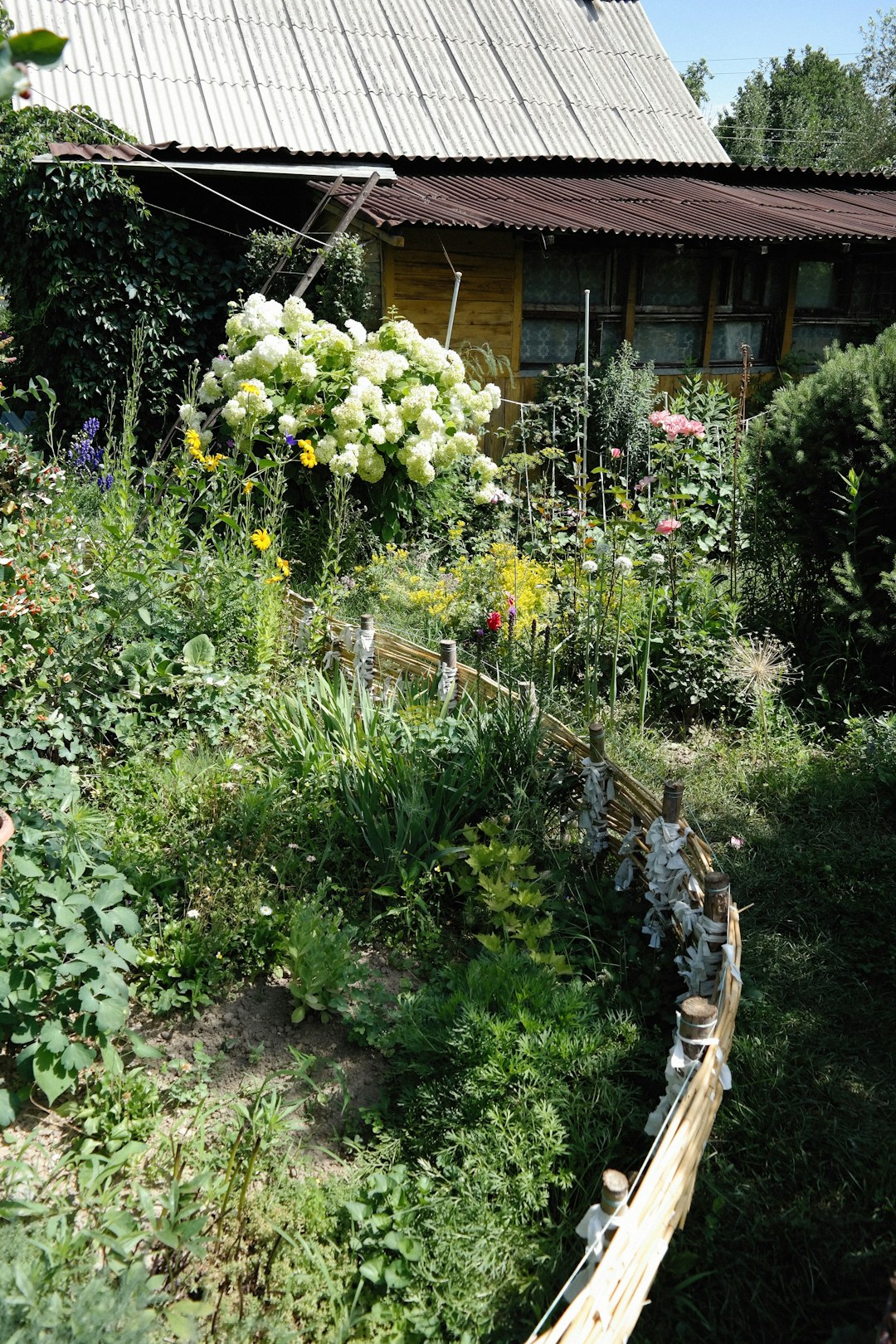
Even open-field cultivation, though challenging, is possible for specific hardy crops in the milder subarctic zones. Root vegetables like potatoes, carrots, radishes, and turnips are popular due to their ability to tolerate cooler soil temperatures and their energy storage below ground. Leafy greens such as spinach, lettuce, and kale, along with brassicas like cabbage and broccoli, can also be grown, often under protective row covers or in raised beds to warm the soil. Research into developing ultra-hardy crop varieties specifically adapted for these cold climates is ongoing, focusing on fast-maturing types that can complete their growth cycle within the short summer window.
Here’s a look at some cultivated crops and their suitable conditions:
| Crop | Optimal Growing Method | Key Advantage | Typical Subarctic Growing Season |
|---|---|---|---|
| Lettuce | Greenhouse, Hydroponics | Fast growth, high yield in controlled environment | Year-round (controlled), ~60 days (open) |
| Radishes | Open field, Raised beds | Extremely fast maturation, cold tolerant | ~30-40 days |
| Potatoes | Open field, Raised beds | Hardy, high caloric yield, stores well | ~90-120 days |
| Spinach | Greenhouse, Open field | Cold tolerant, fast growing leafy green | ~40-60 days |
| Tomatoes | Heated Greenhouse | Requires consistent warmth, high light intensity | Year-round (controlled) |
The future of polar food security and local diets
The ability to grow food in polar zones, whether through native foraging or advanced cultivation, carries profound implications for food security, local economies, and cultural preservation. For indigenous communities, traditional knowledge of wild edible plants is invaluable, providing both sustenance and a deep connection to the land. As global supply chains face increasing disruptions, expanding local food production in these remote regions reduces reliance on imported goods, often flown or shipped at great expense, thereby lowering food costs and improving access to fresh, nutritious options. This fosters greater food sovereignty, allowing communities more control over their food systems.
Moreover, the ongoing effects of climate change are presenting both challenges and unexpected opportunities. While thawing permafrost poses significant threats to infrastructure and ecosystems, some areas may experience slightly longer growing seasons or milder conditions, potentially expanding the range for certain hardy crops. This necessitates adaptive strategies, from developing new resilient crop varieties to investing in sustainable greenhouse technologies that minimize environmental impact. The drive for innovation in polar agriculture serves as a testament to human adaptability, showcasing how even the most extreme environments can contribute to a more resilient and localized global food system, blending ancient wisdom with cutting-edge technology.
The notion of cultivating food in the Earth’s polar zones often seems counterintuitive, yet as this article has explored, it is a vibrant reality shaped by both nature’s incredible resilience and human ingenuity. From the formidable environmental challenges posed by permafrost, low temperatures, and brief growing seasons, to the surprising diversity of native edible plants like cloudberries and arctic sorrel, these regions offer more than initially meets the eye. We’ve seen how technological advancements, particularly in controlled-environment agriculture like greenhouses and hydroponics, are transforming possibilities, enabling a broader range of crops to thrive. The blend of traditional foraging knowledge with modern farming techniques is not just a scientific marvel; it’s a critical component for enhancing food security and fostering local economic development in some of the world’s most remote communities. Ultimately, the story of food in the polar zone is a powerful narrative of adaptation, innovation, and the enduring human spirit to not only survive but also to cultivate life in the harshest of environments.