Understanding the nutritional composition of forage is paramount for livestock producers, wildlife managers, and even those exploring sustainable agriculture. Protein, a vital macronutrient, plays a critical role in animal growth, reproduction, and overall health. While many associate protein primarily with concentrated feeds, the humble grass family offers a surprisingly rich and often overlooked source. Identifying and cultivating grass types high in protein can lead to more efficient feeding strategies, reduced reliance on costly supplements, and enhanced ecological benefits. This article will delve into specific grass varieties and legumes renowned for their elevated protein content, exploring the factors that contribute to their nutritional value and how they can be effectively utilized in various farming systems.
The nutritional powerhouse in grasses
Forage serves as the foundation of many animal diets, and its protein content directly impacts the productivity and well-being of livestock. Protein, composed of essential amino acids, is indispensable for muscle development, milk production, immune function, and reproductive success. While all grasses contain some level of protein, there are significant variations depending on the species, stage of maturity, soil conditions, and climate. Younger, actively growing plants generally boast higher protein concentrations than mature, stemmy forage, as the plant prioritizes leaf growth over structural fiber at earlier stages. Furthermore, the protein in grasses is often highly digestible, making it an efficient source of nutrients for grazing animals.
Legumes: the undisputed protein champions
When discussing high-protein forages, legumes invariably take center stage. These remarkable plants possess a unique symbiotic relationship with nitrogen-fixing bacteria (rhizobia) in their root nodules, enabling them to convert atmospheric nitrogen into a form usable by the plant. This biological nitrogen fixation is the primary reason why legumes are exceptionally rich in protein compared to true grasses.
- Alfalfa (Medicago sativa): Often hailed as the “Queen of Forages,” alfalfa is perhaps the most well-known high-protein legume. It consistently offers crude protein (CP) levels ranging from 18% to 25%, sometimes even higher when harvested at its optimal pre-bloom stage. Its deep root system also makes it drought-tolerant and an excellent soil builder.
- Clover (Trifolium spp.): Both red clover (Trifolium pratense) and white clover (Trifolium repens) are highly valued for their protein content, typically falling between 15% and 22%. Red clover is a short-lived perennial, often used in hay and silage mixes, while white clover is a persistent, stoloniferous plant ideal for pastures due to its grazing tolerance and ability to spread.
- Birdsfoot trefoil (Lotus corniculatus): This legume is gaining recognition, especially in regions with marginal soils or where bloat in cattle is a concern (as it contains condensed tannins that prevent bloat). Its protein content is comparable to clover, usually in the 15% to 20% range.
These legumes not only provide high-quality protein but also enhance soil fertility by naturally replenishing nitrogen, reducing the need for synthetic fertilizers.
True grasses with notable protein levels
While legumes lead the pack, many true grasses can also provide substantial protein, especially when managed correctly. The key for grasses is often harvesting or grazing at an earlier, more vegetative stage before fiber content increases significantly. Many modern forage grass cultivars have also been bred for improved nutritional profiles.
- Perennial ryegrass (Lolium perenne): A highly palatable and digestible grass, perennial ryegrass can exhibit crude protein levels of 12% to 18% when cut young. It’s particularly popular in temperate climates for intensive grazing systems.
- Orchardgrass (Dactylis glomerata): Known for its rapid regrowth and good yield, orchardgrass offers protein levels typically between 10% and 16%. It performs well in mixed stands with legumes and is valued for hay and pasture.
- Timothy (Phleum pratense): While often associated with hay for horses due to its palatability and softer stems, timothy can provide 8% to 14% crude protein. Its protein content tends to decline more rapidly with maturity than some other grasses.
- Forage oats, wheat, and barley: When harvested as a forage crop in their vegetative stage (before grain fills), cereal grains can offer excellent protein. Forage oats, for instance, can provide 12% to 18% protein, making them a valuable winter or early spring forage option.
Here’s a comparison of typical crude protein ranges for various forages:
| Forage type | Typical crude protein (CP) range (%) | Notes |
|---|---|---|
| Alfalfa | 18 – 25+ | Excellent for hay and silage, deep rooted |
| Red clover | 15 – 22 | Good in mixtures, bloat potential |
| White clover | 15 – 20 | Grazing tolerant, spreads easily |
| Birdsfoot trefoil | 15 – 20 | Non-bloating, good for marginal soils |
| Perennial ryegrass | 12 – 18 | High palatability and digestibility |
| Forage oats (vegetative) | 12 – 18 | Quick growing, good for cover cropping and forage |
| Orchardgrass | 10 – 16 | Rapid regrowth, good in mixes |
| Timothy | 8 – 14 | Palatable, ideal for horse hay, declines with maturity |
Optimizing protein content through management
Achieving and maintaining high protein levels in forage isn’t solely about choosing the right species; it also heavily depends on sound management practices. The most critical factor is the stage of maturity at harvest or grazing. Young, leafy forage contains more protein and less indigestible fiber. For legumes, harvesting typically occurs at the late bud to early bloom stage, while grasses are best utilized before they develop seed heads. Soil fertility also plays a vital role; adequate phosphorus, potassium, and micronutrients are essential for healthy plant growth and protein synthesis. While legumes fix their own nitrogen, true grasses require sufficient soil nitrogen or fertilization to achieve optimal protein levels. Furthermore, rotational grazing systems allow forages to rest and regrow to an optimal protein-rich stage, preventing overgrazing and promoting healthier stands. Proper curing and storage methods for hay and silage are also crucial to prevent nutrient loss and maintain protein quality.
In summary, understanding and leveraging the protein potential of various grass types and legumes is a cornerstone of efficient and sustainable forage production. Legumes like alfalfa and clovers stand out due to their nitrogen-fixing capabilities, consistently delivering high crude protein percentages that significantly benefit livestock. However, a range of true grasses, including perennial ryegrass and orchardgrass, also offer substantial protein when managed appropriately, particularly when harvested at early, vegetative growth stages. By making informed choices about species selection, coupled with diligent management practices such as optimal timing of harvest or grazing, proper fertilization, and effective preservation, producers can maximize the nutritional value of their forage. This strategic approach not only supports animal health and productivity but also contributes to reduced feed costs and enhanced environmental stewardship through improved soil health and reduced reliance on external inputs. Ultimately, a diverse and well-managed forage system high in protein is key to resilient agricultural operations.
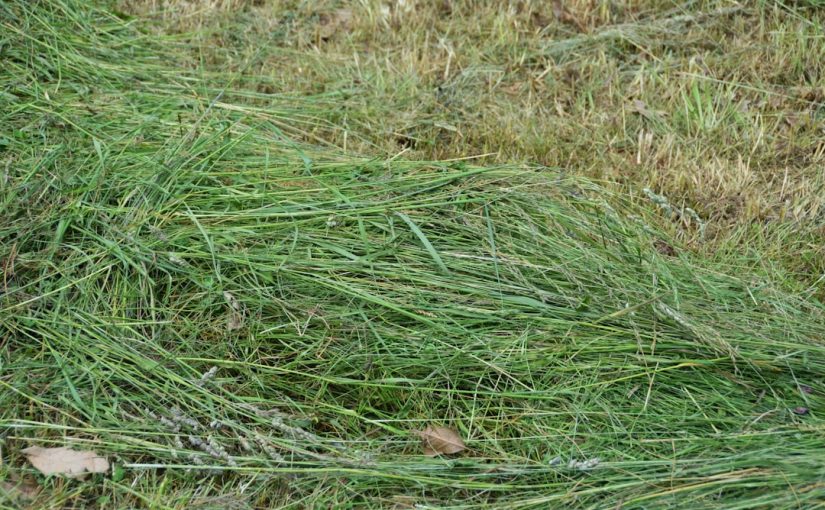
Image by: Roger Starnes Sr