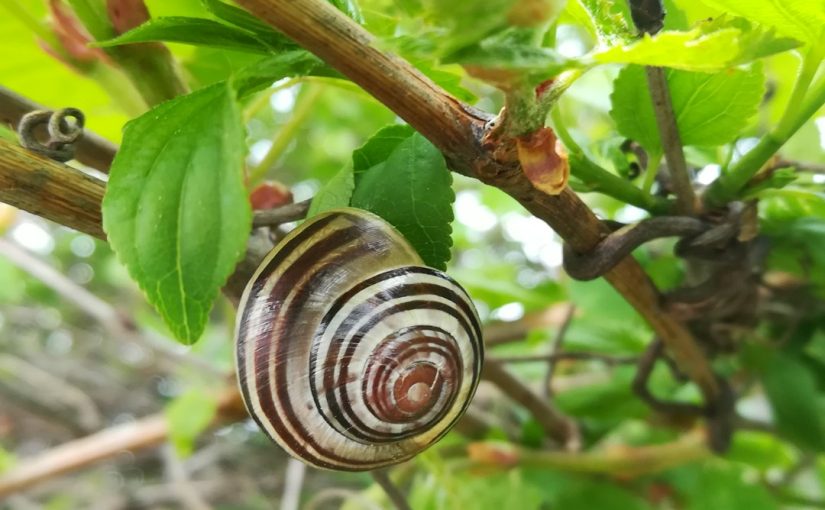
Snails, with their iridescent trails and insatiable appetites, can quickly turn a thriving garden into a battleground for any dedicated plant enthusiast. While often viewed as benign creatures, their presence in large numbers poses a significant threat to young seedlings, tender leaves, and ripening fruits, leading to frustration and considerable crop damage. Before resorting to harsh chemical pesticides that can harm beneficial insects, pets, and the environment, many gardeners seek gentler, more sustainable solutions. This article delves into an array of effective home remedies and natural strategies designed to help you reclaim your garden from these shelled invaders. From simple household items to clever ecological approaches, we will explore practical ways to deter, trap, and manage snail populations, ensuring your green space remains vibrant and healthy without chemical intervention.
Understanding the adversary and initial defenses
Before deploying specific remedies, it is crucial to understand why snails are attracted to your garden and how they operate. Snails thrive in cool, moist, and shaded environments. They are most active at night or during damp, overcast days, retreating to dark, sheltered spots during warmer, drier periods. Therefore, the first line of defense often involves environmental modification. Start by regularly clearing away potential hiding spots such as fallen leaves, loose bricks, planks of wood, and overgrown weeds. Elevate potted plants to prevent snails from using the pots’ undersides as refuges. Improving drainage in overly wet areas of your garden can also make it less hospitable for them. A dry garden perimeter is a significant deterrent. Furthermore, consider hand-picking snails during their active hours; this labor-intensive method, when done consistently, can significantly reduce their numbers without any cost.
Kitchen cupboard cleverness: Food-based traps and deterrents
Many common household items found in your kitchen can be repurposed into effective snail control agents. One of the most famous is the beer trap. Snails are irresistibly drawn to the yeast in beer. To set up a trap, simply sink a shallow dish (like a tuna can) into the soil so its rim is level with the ground, then fill it with beer. The snails will crawl in, be attracted by the scent, and drown. Replace the beer every few days for continued effectiveness. Another popular option involves coffee grounds. The caffeine in coffee is toxic to snails and also acts as a repellent. Sprinkle used coffee grounds around vulnerable plants, creating a barrier they are reluctant to cross. This also adds valuable nitrogen to your soil. Garlic spray is another natural repellent; blend garlic cloves with water, let it steep, then strain and spray onto affected plants. The strong odor deters snails without harming the plants.
Abrasive barriers and metallic deterrents
Creating physical barriers is an excellent non-toxic method to protect specific plants or garden beds. Crushed eggshells are a classic choice. Wash and dry eggshells, then crush them into sharp pieces and sprinkle them around the base of plants. The sharp edges are uncomfortable for snails to crawl over, effectively creating a defensive perimeter. Diatomaceous Earth (DE), a natural powder made from fossilized diatoms, works differently. When snails crawl over DE, the microscopic sharp edges abrade their soft bodies, causing them to dehydrate and die. Apply it as a dry barrier around plants, ensuring it remains dry to be effective. Copper tape is also remarkably efficient. When a snail’s slime comes into contact with copper, it creates a small electrical charge that deters them. Affix copper tape around raised beds, pots, or garden edges to create an impassable barrier.
Ecological harmony: Companion planting and natural predators
Embracing a more holistic approach can provide long-term snail control by creating an ecosystem less appealing to them. Certain plants naturally repel snails due to their scent or compounds. Incorporating plants like rosemary, lavender, mint, sage, and even garlic directly into your garden beds can deter snails from nearby susceptible plants. Consider the following table for a quick reference:
| Remedy Type | Mechanism | Application |
|---|---|---|
| Beer Trap | Attractant, drowning | Shallow dish, ground level |
| Coffee Grounds | Repellent, toxic | Sprinkle around plants |
| Crushed Eggshells | Abrasive barrier | Base of plants |
| Diatomaceous Earth | Dehydration | Dry barrier |
| Copper Tape | Electrical deterrent | Around pots/beds |
| Garlic Spray | Repellent scent | Spray on foliage |
Beyond plants, encouraging natural predators can significantly reduce snail populations. Birds, frogs, toads, ground beetles, and even certain types of snakes are all natural enemies of snails. Creating a wildlife-friendly garden by providing water sources, shelter, and diverse plantings can attract these beneficial creatures, turning them into your garden’s living pest control squad. This method requires patience but offers the most sustainable and environmentally friendly solution to snail management, fostering a balanced ecosystem.
Effectively managing snails in your garden does not require resorting to harsh chemicals; instead, a thoughtful combination of home remedies and ecological strategies can yield impressive results. We’ve explored how simple environmental modifications, such as removing debris and improving drainage, can make your garden less appealing to these pests from the outset. From ingenious beer traps that lure them to their demise, to the abrasive power of crushed eggshells and Diatomaceous Earth creating impassable barriers, a wealth of non-toxic options exist within reach. Furthermore, leveraging the natural repellency of specific plants and fostering a habitat that welcomes snail-eating predators offers a sustainable, long-term solution. By integrating these diverse methods, you can protect your cherished plants, maintain a healthier garden ecosystem, and enjoy the satisfaction of a vibrant outdoor space free from the tell-tale signs of snail damage, all while being mindful of the environment.
Image by: Kirk Ding