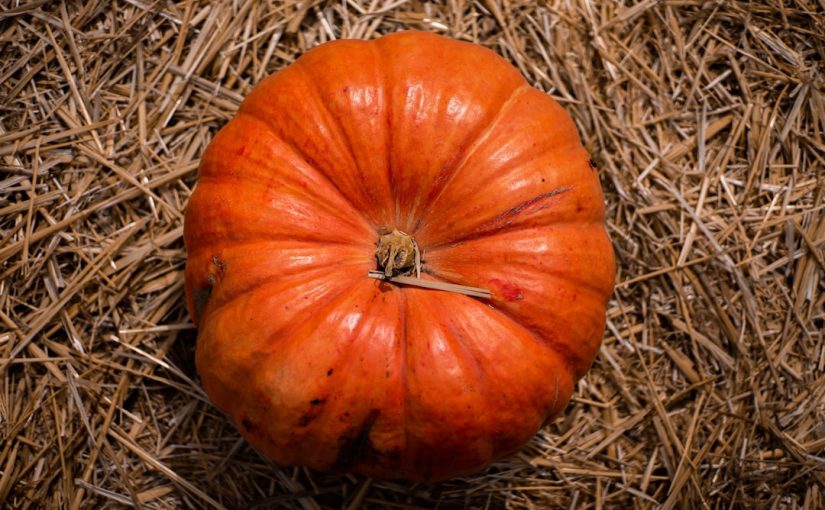
The vibrant hues of autumn often bring to mind the quintessential symbol of the season: the pumpkin. Whether destined for a festive Jack-o’-lantern, a hearty pie, or simply as decorative squash, understanding how long these cheerful gourds last is crucial for maximizing their enjoyment. From the moment they are harvested to their eventual display or consumption, a pumpkin’s longevity is subject to a variety of factors. This guide will delve into the lifespan of your favorite fall fruit, exploring what influences its durability, how best to store it, and practical tips to extend its freshness, ensuring your autumnal spirit—and your pumpkins—endure well beyond a fleeting moment. Let’s uncover the secrets to keeping your pumpkins robust and beautiful for as long as possible.
Factors affecting pumpkin’s lifespan
The lifespan of a pumpkin is not a one-size-fits-all duration; it’s a dynamic period influenced by several key factors. One of the primary considerations is whether the pumpkin is whole and uncut versus carved. A whole, intact pumpkin, with its skin serving as a protective barrier, can last significantly longer than a carved one. The moment you cut into a pumpkin, you expose its delicate flesh to air, bacteria, and mold spores, drastically shortening its life.
Environmental conditions play a pivotal role. Pumpkins thrive in cool, dry conditions with good air circulation. Excessive heat, direct sunlight, or high humidity can accelerate decay. A pumpkin left outdoors in fluctuating weather, especially warm, damp conditions, will spoil much faster than one stored in a stable, controlled environment. The type and health of the pumpkin also contribute; a healthy, fully ripened pumpkin with no blemishes, soft spots, or cuts upon purchase will naturally last longer than one already showing signs of stress or damage. Thicker-skinned varieties generally offer better resistance to decay than thinner-skinned ones. Furthermore, pumpkins grown specifically for carving (like those often found in pumpkin patches) tend to have thinner walls, making them more susceptible to spoilage once cut, compared to denser cooking pumpkins.
Maximizing the life of whole, uncut pumpkins
Keeping a whole pumpkin fresh for as long as possible requires a bit of strategic care. First and foremost, choose wisely. Select pumpkins that are firm, heavy for their size, and free of any soft spots, cuts, or bruises. A healthy stem is also a good indicator of freshness. Once you’ve brought your pumpkin home, the key is proper storage. Avoid placing whole pumpkins directly on concrete or dirt, as these surfaces can retain moisture and encourage rot. Instead, place them on a raised surface, such as a pallet, straw, or a piece of cardboard, to promote air circulation underneath.
The ideal storage environment is cool and dry, with good ventilation, and out of direct sunlight. Temperatures between 50-60°F (10-15°C) are optimal. A garage, a cool basement, or even a shaded porch can work well, as long as it’s protected from rain and frost. If storing multiple pumpkins, ensure they are not touching each other to prevent the spread of decay if one starts to spoil. Regularly inspect your pumpkins for any signs of mold, soft spots, or pest damage, and remove any affected pumpkins immediately to protect the others. With these precautions, a whole, uncut pumpkin can often last anywhere from 2 to 3 months, and sometimes even longer, especially if it’s a hardier variety.
Preserving your carved masterpieces
Carved pumpkins, or Jack-o’-lanterns, bring joy but have a notoriously short lifespan. Once the protective skin is breached, the pumpkin’s interior is exposed, making it highly susceptible to dehydration, mold, and bacterial growth. Typically, a carved pumpkin will only last about 3-7 days, depending on environmental conditions. However, there are several tricks to extend this period slightly.
After carving, clean the interior thoroughly, removing all seeds and stringy bits, as these can harbor mold. Consider applying a thin layer of petroleum jelly or vegetable oil to all cut surfaces. This creates a barrier that helps lock in moisture and deter dehydration. Alternatively, a diluted bleach solution (one teaspoon of bleach per gallon of water) can be sprayed inside and on the cut edges to kill bacteria and mold spores. Let it dry completely before displaying. To rehydrate a wilting carved pumpkin, you can submerge it in a bucket of cold water for a few hours. Keeping the pumpkin in a cool, shaded location, away from direct sunlight or heat sources (like fireplaces or direct lamp light), will also significantly prolong its life. At night, or when not in use, you can store it in a cool garage or even refrigerate it if space allows, which can add a few extra days to its display life.
Storage for cooked and processed pumpkin
Beyond decoration, pumpkins are a versatile ingredient in the kitchen. The storage duration for cooked or processed pumpkin varies significantly from its raw counterparts. Once cooked, pumpkin needs to be treated like any other perishable food item to prevent bacterial growth and spoilage. Proper cooling and refrigeration are paramount.
Here’s a guide to how long various forms of cooked pumpkin typically last:
| Pumpkin product | Storage method | Typical shelf life | Notes |
|---|---|---|---|
| Homemade pumpkin puree | Refrigerator | 5-7 days | Store in an airtight container. |
| Homemade pumpkin puree | Freezer | 6-12 months | Freeze in airtight containers or freezer bags. |
| Canned pumpkin puree (opened) | Refrigerator | 5-7 days | Transfer to a non-metallic, airtight container. |
| Roasted pumpkin pieces | Refrigerator | 3-5 days | Store in an airtight container. |
| Pumpkin pie | Refrigerator | 3-4 days | Cover loosely with foil or plastic wrap. |
| Cooked pumpkin seeds | Airtight container (room temp) | 1-2 weeks | Ensure completely dry before storing. |
| Cooked pumpkin seeds | Refrigerator | 1-2 months | For extended freshness. |
Always ensure that any cooked pumpkin or pumpkin dish is cooled rapidly within two hours of cooking before being refrigerated or frozen. Prompt and proper storage prevents the growth of harmful bacteria and preserves the quality and safety of your delicious pumpkin creations.
Understanding the lifespan of your pumpkins, whether destined for festive display or culinary delight, is key to enjoying them to their fullest. From whole, unblemished gourds that can last for months in optimal conditions, to carved Jack-o’-lanterns requiring special care to endure for just a few days, and finally to cooked pumpkin dishes needing strict refrigeration, each form has its own unique storage requirements. By selecting healthy pumpkins, providing them with the right environment, and employing simple preservation techniques, you can significantly extend their beauty and flavor. Remember, vigilance against spoilage and prompt action are your best allies. Embrace these tips to ensure your pumpkins remain a cherished part of your autumn season, bringing joy and deliciousness for as long as possible.
Image by: Orlando Dominguez