Cultivating vibrant, nutrient-rich wheatgrass at home offers a wealth of health benefits, from detoxification to boosting energy levels. However, achieving that lush green growth isn’t always straightforward. Many aspiring growers often overlook a critical factor: the right amount and type of light. Just like any plant, wheatgrass relies heavily on light for photosynthesis, the process that converts light energy into the sugars it needs to grow. Too little light can result in pale, weak blades, while too much can scorch and stress the delicate plant. Understanding the precise light requirements of wheatgrass is paramount to ensuring a bountiful harvest, impacting its color, nutrient density, and overall vitality. This article will delve into the specific lighting conditions necessary to grow exceptional wheatgrass, guiding you toward optimal results.
Understanding wheatgrass light requirements
At its core, wheatgrass, like all green plants, thrives on photosynthesis. This biochemical process, powered by light, is what enables the plant to produce chlorophyll, the pigment responsible for its vibrant green color and much of its nutritional value. Without adequate light, wheatgrass struggles to photosynthesize efficiently, leading to a host of problems. Insufficient light results in etiolation, where the grass blades become pale, thin, and elongated as they desperately stretch to find a light source. This compromises both the aesthetic appeal and the nutritional potency of the wheatgrass, as less chlorophyll means fewer beneficial compounds.
Conversely, while light is vital, it’s not a case of “more is always better.” Wheatgrass prefers bright, indirect light rather than harsh, direct sunlight. Direct, unfiltered sun can be too intense, especially for young shoots, leading to scorching, wilting, or premature yellowing. The goal is to strike a delicate balance, providing enough illumination to support robust growth without overwhelming the plant. This balance ensures the development of thick, dark green blades packed with the enzymes, vitamins, and minerals that make wheatgrass so beneficial.
The optimal light spectrum and intensity for healthy growth
When we talk about optimal light for wheatgrass, we’re considering both the spectrum (the colors of light) and the intensity (how bright it is). While natural sunlight provides a full spectrum, indoor growers using artificial lights need to be more selective. Wheatgrass, being a leafy green, primarily benefits from the blue and red wavelengths within the visible light spectrum. Blue light promotes vegetative growth and sturdy stems, while red light is crucial for overall plant health and energy production, though it’s less dominant for initial leafy growth than for flowering plants.
The intensity of light is often measured in lux (lumens per square meter) or foot-candles (lumens per square foot). For wheatgrass, a moderate intensity is ideal. While specific numbers can vary, a general guideline is to provide light that is bright enough to feel pleasantly illuminated but not blinding. Too low intensity will cause the etiolation discussed earlier. Too high, and the plants risk stress or burning. Grow lights, such as full-spectrum LEDs or fluorescent tubes (especially T5 or T8), are excellent choices for indoor cultivation because they offer controlled intensity and a suitable spectrum. They should be positioned appropriately to provide consistent, even light without generating excessive heat.
Here’s a general comparison of light sources:
| Light source | Suitability for wheatgrass | General intensity notes |
|---|---|---|
| Natural indirect sunlight | Excellent | Bright, consistent, without direct scorching rays. |
| Full-spectrum LED grow lights | Excellent | Highly energy-efficient, adjustable intensity, minimal heat. |
| Fluorescent T5/T8 tubes | Good | Affordable, provides broad spectrum, good for initial growth. |
| Direct harsh sunlight | Poor | Too intense, causes scorching and stress. |
Duration of light exposure and avoiding common pitfalls
Beyond the type and intensity, the duration of light exposure, known as the photoperiod, is equally vital for wheatgrass. Wheatgrass generally thrives on a schedule that mimics natural daylight hours during its vegetative growth phase. An ideal duration for optimal growth typically falls between 12 to 16 hours of light per day, followed by a period of darkness. The dark period is not merely an absence of light; it’s an active phase for the plant. During darkness, wheatgrass undergoes crucial metabolic processes like respiration, where it converts stored sugars into energy for growth and repair. It also helps the plant consolidate the energy absorbed during the light cycle.
Ignoring this photoperiod can lead to several common pitfalls. Providing too little light duration (e.g., only a few hours a day) will inevitably lead to pale, spindly, and nutrient-deficient blades, mirroring the effects of insufficient light intensity. The wheatgrass will lack the chlorophyll and robust structure desired. Conversely, attempting to grow wheatgrass under continuous 24-hour light, while seemingly beneficial, can also be detrimental. Plants, including wheatgrass, need that recovery period. Continuous light can stress the plant, leading to stunted growth, nutrient depletion, and potentially an early decline in health. Striking the right balance ensures vigorous growth, deep green color, and maximum nutrient content in your harvest.
Practical tips for providing ideal light conditions
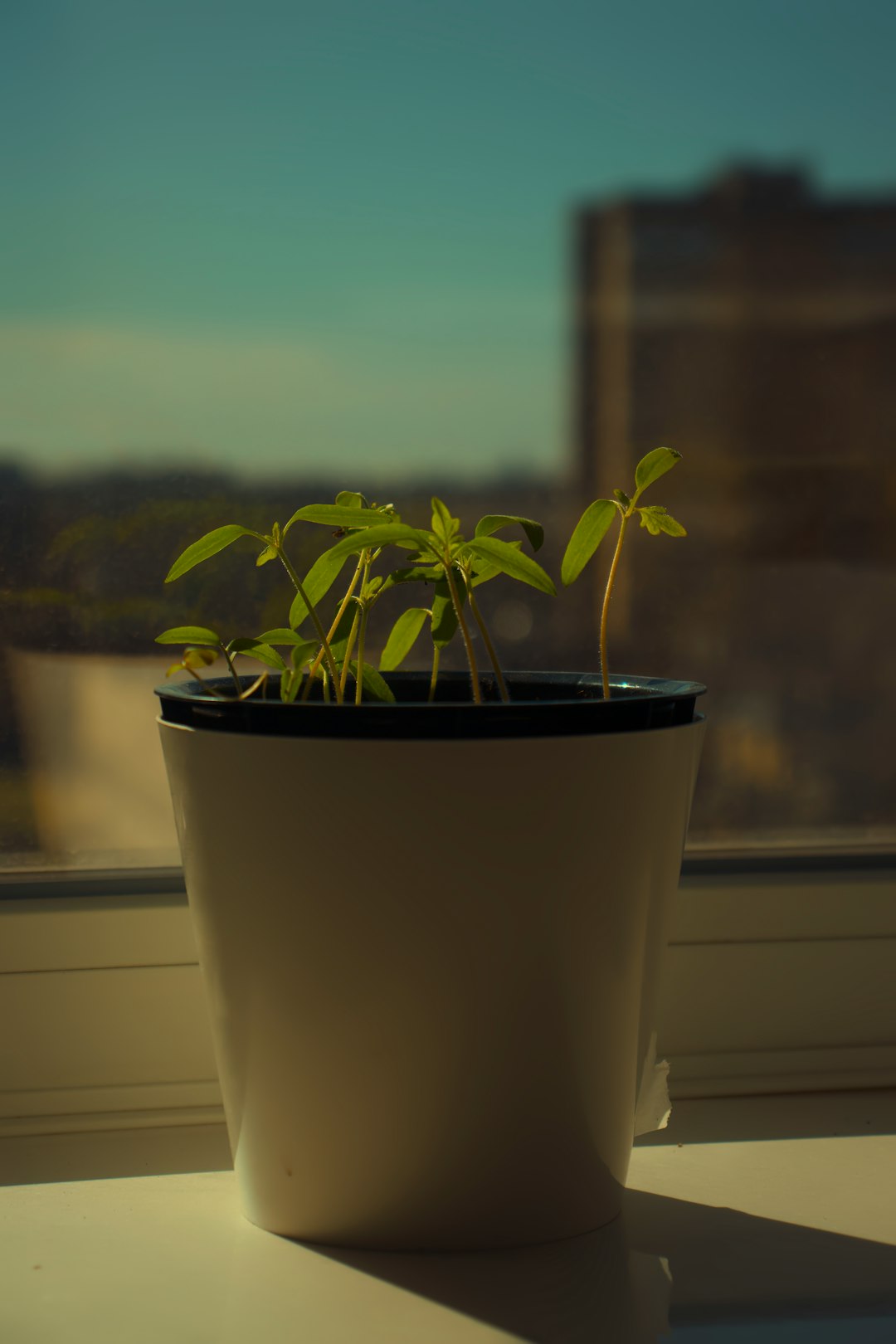
For home growers, implementing these light principles is straightforward. If you’re relying on natural light, choose a location in your home that receives bright, indirect sunlight for a significant portion of the day. A north-facing window might offer consistent, gentler light, while an east-facing window provides soft morning sun. South or west-facing windows can be too intense unless the light is filtered through sheer curtains or by positioning the trays slightly away from the direct beam. Rotate your wheatgrass trays daily to ensure all sides receive even exposure, preventing one side from becoming leggy while the other remains dense.
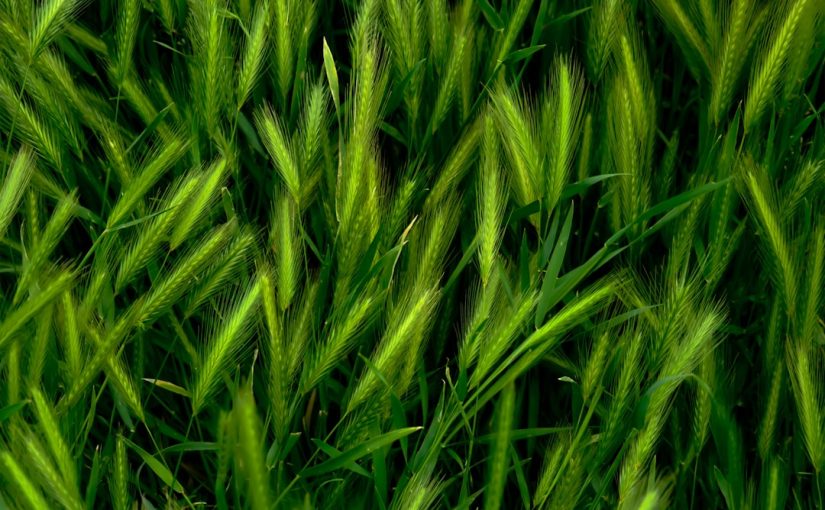
For those using artificial grow lights, consistency is key. Position LED or fluorescent lights approximately 6-12 inches above the wheatgrass trays. The exact distance can be adjusted based on the light’s intensity and the plant’s reaction—if the grass is stretching, lower the light; if it’s looking bleached, raise it. Utilize a simple timer to maintain the recommended 12-16 hours of light daily, ensuring a consistent dark period. Regularly observe your wheatgrass; its color and posture are excellent indicators of whether your lighting conditions are optimal. Vibrant, upright, deep green blades signal success, while pale or stressed growth indicates a need for adjustment.
Mastering the light requirements for wheatgrass is a fundamental step toward cultivating a successful and nutritious crop. We’ve explored how a balanced approach to light type, intensity, and duration is crucial for photosynthesis, chlorophyll production, and overall plant vitality. From understanding the benefits of blue and red light spectrums to recognizing the pitfalls of both too little and too much illumination, it’s clear that a well-regulated lighting environment is non-negotiable. Whether you opt for natural indirect sunlight or invest in quality grow lights, providing 12-16 hours of consistent, moderate light followed by a period of darkness will yield the best results. By paying close attention to these guidelines and observing your wheatgrass for signs of optimal health, you can ensure a continuous supply of vibrant, nutrient-dense green juice. A little attention to detail in your lighting setup will undoubtedly lead to a healthier, more abundant wheatgrass harvest, empowering you to enjoy all its incredible benefits.
Image by: Naz Israyelyan