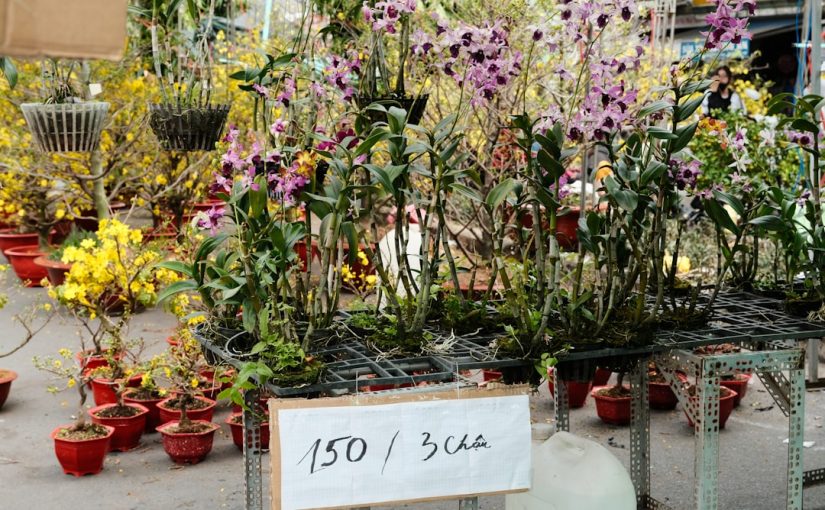
The allure of orchids is undeniable, with their exquisite forms, vibrant colors, and often intoxicating fragrances. For many enthusiasts, simply growing these magnificent plants is rewarding enough, but for some, a deeper fascination takes root: the desire to create new varieties. Orchid breeding is a captivating endeavor, a blend of art and science that allows you to play a direct role in shaping future generations of these botanical marvels. It is a journey that demands patience, precision, and a willingness to learn, but the gratification of seeing a unique hybrid bloom for the very first time, a creation born from your own hands, is an unparalleled experience. This guide will walk you through the intricate steps involved in breeding orchids, from understanding their unique reproductive biology to nurturing your precious seedlings until they grace you with their first flowers.
Understanding orchid reproduction: the botanical essentials
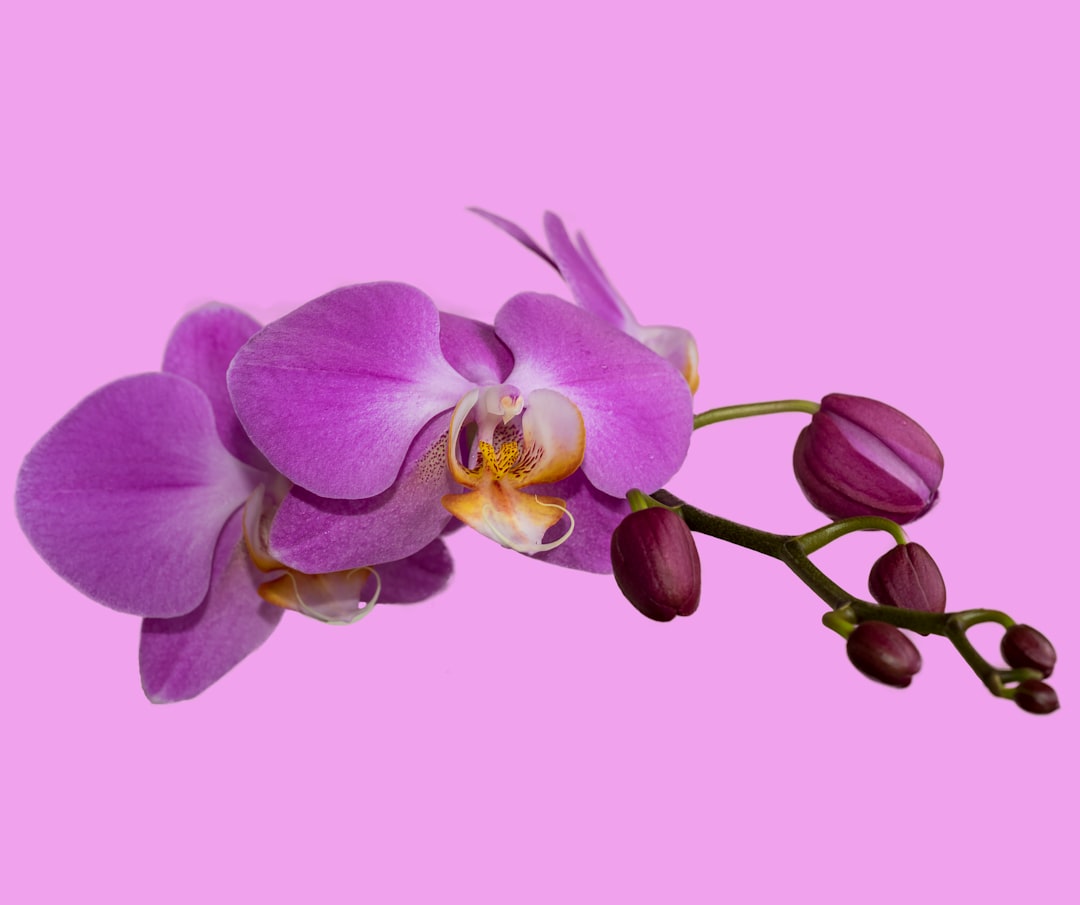
Unlike many common garden flowers, orchids possess a highly specialized reproductive structure known as the column, which is a fusion of the stamens (male parts) and pistil (female parts). Understanding this unique anatomy is the first crucial step in successful breeding. The pollen of orchids is not powdery; instead, it is aggregated into waxy masses called pollinia, typically found beneath a protective cap at the apex of the column. Below the pollinia, you’ll find the stigmatic surface, often a sticky depression, which is where the pollen must be deposited for fertilization to occur. Immediately below the stigma is the rostellum, a small barrier that prevents self-pollination. When breeding, you are essentially facilitating a natural process, manually transferring pollinia from one parent plant to the stigma of another, or sometimes even to the stigma of the same plant if selfing is desired.
Choosing parents and performing the pollination
The foundation of any successful breeding program lies in the careful selection of parent plants. This is where the “art” of breeding truly comes into play. You should select healthy, vigorous plants that consistently produce high-quality blooms. Consider specific traits you wish to enhance or combine: unusual colors, larger flower size, unique patterns, improved fragrance, disease resistance, or even a specific growth habit. For example, if you have a Phalaenopsis with stunning color but poor flower count, you might cross it with a vigorous plant known for prolific blooming, hoping to combine the best of both. Once your parents are chosen, the actual pollination process requires a steady hand and sterile tools, such as a sharp toothpick or tweezers. Carefully remove the pollinia from the pollen cap of the chosen pollen parent and gently transfer them onto the sticky stigmatic surface of the seed parent. It’s vital to label the pollinated flower immediately with details of the cross (e.g., ‘Phal. aphrodite x Phal. amabilis’ and the date) to keep meticulous records.
From seed pod to sterile flask: the critical next steps
After successful pollination, the flower will typically wither, and the ovary at the base of the column will begin to swell, forming a seed pod. The maturation time for these pods varies significantly among different orchid genera, ranging from a few months to over a year. Patience is paramount during this stage. Once mature, orchid seeds are incredibly tiny, dust-like, and lack the endosperm (food reserve) found in most other plant seeds. This means they cannot germinate in regular soil. Instead, they require a sterile, nutrient-rich agar medium, a process known as in vitro or flasking. This technique involves sowing the seeds under sterile conditions in glass flasks or jars containing a specialized agar jelly that provides all the necessary sugars, minerals, and vitamins for germination. Strict aseptic techniques, often involving a laminar flow hood or a homemade sterile glove box, are crucial to prevent contamination by fungi or bacteria, which would quickly destroy the delicate seedlings.
Here is an approximate guide for seed pod maturation times:
| Orchid Genus | Estimated Pod Maturation Time |
|---|---|
| Phalaenopsis | 4-6 months |
| Dendrobium | 4-6 months |
| Oncidium | 3-5 months |
| Cattleya | 9-12 months |
| Paphiopedilum | 6-9 months |
Nurturing seedlings: the journey from flask to first bloom
Once your orchid seeds germinate and develop into small plantlets within the flask, they will eventually outgrow their sterile environment. This marks the exciting stage of deflasking. Typically, when plantlets have developed 2-3 leaves and a root system, they are ready. Gently remove the plantlets from the flask, wash away any remaining agar medium, and allow them to “harden off” for a day or two in a high-humidity environment to acclimatize to the outside world. They are then individually potted into small pots using a fine-grade orchid mix, such as fine bark, perlite, or sphagnum moss. Providing optimal growing conditions is critical for their survival and growth. This includes consistent humidity, appropriate light levels (often brighter than for mature plants, but not direct scorching sun), stable temperatures, and regular, dilute fertilization. The journey from deflasked seedling to first bloom can be a long one, varying greatly by genus; some orchids like Phalaenopsis may bloom in 3-5 years, while others, such as Cattleya, might take 5-7 years or even longer. This extended wait only adds to the immense satisfaction when your unique creation finally unfurls its first flower.
Embarking on the journey of orchid breeding is a profound commitment, demanding meticulous attention to detail at every stage. From the initial strategic selection of parent plants, the precise act of pollination, and the crucial sterile environment required for seed germination, to the patient nurturing of countless seedlings, each step is vital. This comprehensive process, while challenging, culminates in an unparalleled reward: the emergence of a never-before-seen orchid bloom, a living testament to your dedication and vision. It is a pursuit that deepens your understanding of these fascinating plants and connects you intimately with the cycles of nature. Remember, patience is your most valuable tool, and every success and setback offers a valuable lesson. Keep meticulous records, embrace continuous learning, and prepare to be enchanted by the beauty you help create, flower by magnificent flower.
Image by: Duc Van