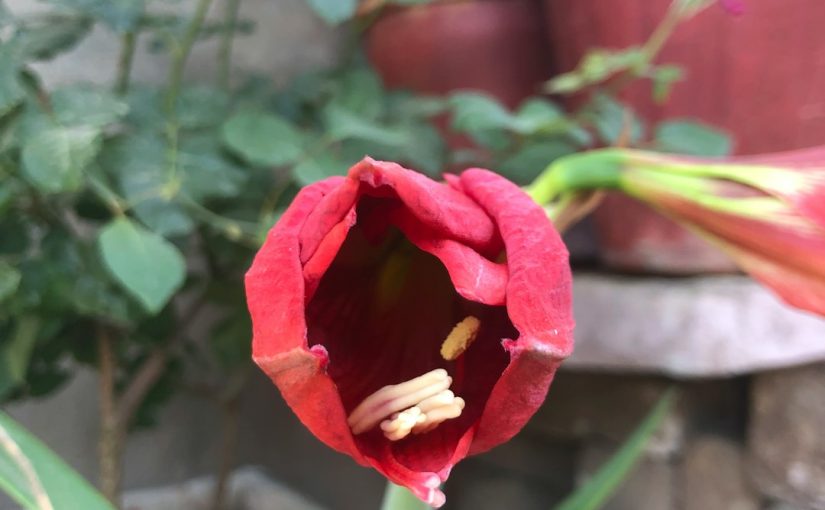
The Fortnight Lily, scientifically known as Dietes iridioides or often Dietes grandiflora, is a graceful, low-maintenance perennial that brings a touch of effortless beauty to any garden. With its elegant, iris-like flowers that bloom intermittently throughout the warmer months, it’s a favorite among landscape designers and home gardeners alike. Despite its exotic appearance, this resilient plant is surprisingly easy to care for, making it an excellent choice for both novice and experienced plant enthusiasts. This article will guide you through the essential steps to ensure your Fortnight Lily thrives, producing abundant blooms and lush foliage year after year, transforming your outdoor space into a vibrant sanctuary.
Site selection and soil preparation
The foundation of a healthy Fortnight Lily begins with careful consideration of its planting location and the quality of its soil. These adaptable plants prefer a spot that receives full sun to partial shade. While they can tolerate full sun, especially in coastal or milder climates, some afternoon shade can be beneficial in hotter regions to prevent leaf scorch. Aim for at least six hours of direct sunlight for optimal blooming.
When it comes to soil, Fortnight Lilies are not overly particular, but they absolutely thrive in well-draining soil. Heavy clay soils that retain too much moisture can lead to root rot. To improve drainage in such soils, amend them generously with organic matter like compost, peat moss, or well-rotted manure before planting. A slightly acidic to neutral soil pH (6.0 to 7.0) is generally ideal, though these plants are quite tolerant of varying pH levels. Ensure adequate spacing between plants, typically 18 to 24 inches apart, to allow for their mature size and good air circulation, which helps prevent fungal issues.
Watering and nutrient management
Once your Fortnight Lilies are established, their watering needs are relatively low, making them a fantastic drought-tolerant option for water-wise gardens. During their initial planting phase and for the first few months, consistent watering is crucial to help the root system establish. Water deeply two to three times a week, ensuring the soil is moist but not waterlogged.
After establishment, Fortnight Lilies are remarkably resilient. They can tolerate dry spells, but for the best performance and continuous blooming, regular watering during prolonged dry periods or extreme heat is recommended. A good rule of thumb is to water when the top two to three inches of soil feel dry to the touch. Avoid overhead watering late in the day, as this can encourage fungal diseases.
Fertilization is generally minimal. In most garden soils, a single application of a balanced, slow-release granular fertilizer in early spring is sufficient. Look for a fertilizer with a slightly lower nitrogen content to promote flowering rather than just leafy growth. Alternatively, a top-dressing of compost can provide a slow release of nutrients and improve soil structure. Container-grown Fortnight Lilies may require more frequent, lighter feedings, perhaps every 4-6 weeks during the growing season, using a diluted liquid feed.
Here’s a general watering guide:
| Growth stage/Climate | Watering frequency | Notes |
|---|---|---|
| Newly planted (first 3-6 months) | 2-3 times per week | Keep soil consistently moist, not soggy. |
| Established, moderate climate | Once every 1-2 weeks | Allow soil to dry slightly between waterings. |
| Established, hot/dry climate | Once a week | Check soil moisture more frequently. |
| Container plants | Daily to every other day | Containers dry out faster; check daily. |
Pruning, propagation, and pest prevention
Regular pruning is not strictly necessary for the health of Fortnight Lilies, but it can significantly enhance their appearance and encourage more blooms. The primary pruning task is deadheading, which involves removing spent flower stalks at their base. This prevents the plant from expending energy on seed production and redirects it towards producing new flowers. Beyond deadheading, an annual clean-up in late winter or early spring is beneficial. Remove any yellowing, damaged, or dead foliage to maintain a tidy appearance and improve air circulation within the clump.
Over time, Fortnight Lilies can form dense clumps. If they become overcrowded or you wish to expand your collection, division is an excellent propagation method. The best time to divide is in late fall or early spring. Carefully dig up the entire clump, then gently pull apart or cut the rhizomes into smaller sections, ensuring each section has a healthy root system and at least one fan of leaves. Replant these divisions immediately, following the same planting guidelines as for new plants.
Fortnight Lilies are generally robust and resistant to most pests and diseases. However, they can occasionally be bothered by common garden pests like snails and slugs, especially in moist conditions. Organic solutions include hand-picking, setting beer traps, or applying diatomaceous earth. Less common issues might include aphids, which can be dislodged with a strong spray of water or treated with insecticidal soap. Fungal diseases like rust or leaf spot are rare but can occur in overly wet conditions or areas with poor air circulation. Ensuring good drainage and proper spacing is the best preventative measure.
Seasonal considerations and container cultivation
While Fortnight Lilies are incredibly hardy in USDA Zones 8-11, some seasonal adjustments can optimize their performance. In colder regions within their hardiness range, a layer of mulch around the base of the plant in late fall can provide insulation for the roots against light frosts. In areas with significant freezing temperatures, Fortnight Lilies may experience some leaf damage or dieback, but they typically rebound vigorously in spring if the roots are protected. For those in colder zones wanting to grow these beauties, container cultivation is an excellent option, allowing plants to be moved indoors or to a sheltered location during winter.
Growing Fortnight Lilies in containers offers flexibility and control over their environment. Choose a pot with excellent drainage holes that is at least 10-12 inches in diameter for a single plant, as they appreciate room for their roots. Use a high-quality potting mix that drains well. Containerized plants will require more frequent watering than those in the ground, as pots dry out faster. During hot weather, daily watering might be necessary. Fertilize container plants with a diluted liquid feed during the growing season as nutrients leach out more quickly. Repotting every 2-3 years, or when the plant becomes root-bound, will refresh the soil and provide renewed vigor.
Caring for a Fortnight Lily is a rewarding endeavor, offering continuous beauty with minimal effort. From selecting the ideal sunny or partially shaded spot with well-draining soil to understanding their moderate watering needs once established, these plants prove to be resilient and forgiving. Regular deadheading encourages more of those iconic iris-like blooms, while occasional division can help propagate new plants and rejuvenate older clumps. Though largely pest and disease resistant, being aware of common garden nuisances allows for swift, often organic, intervention. Whether nestled in a garden bed or brightening a patio in a container, a Fortnight Lily provides a reliable splash of elegance throughout the warmer months, truly earning its place as a garden favorite for its effortless charm and enduring appeal.
Image by: Muhammad Waqar Azeem