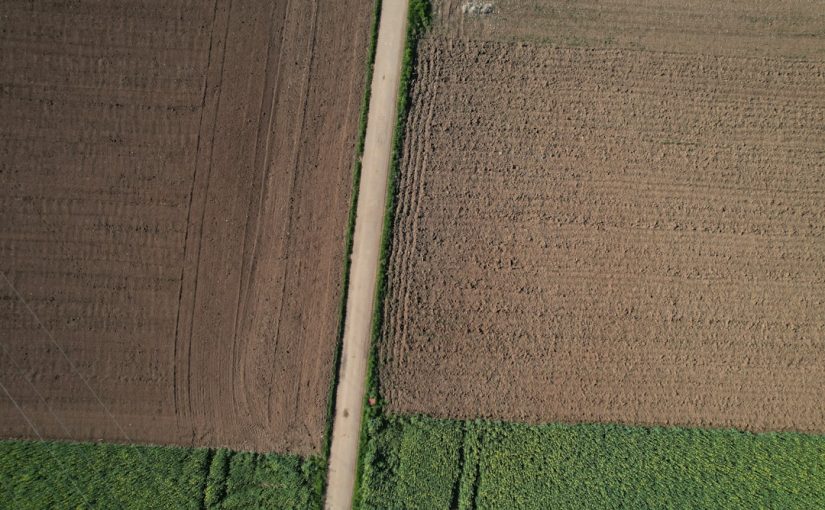
A pristine, fertile field is every land owner’s dream, but often, reality presents a stony challenge. Clearing a field of rocks can seem like a monumental task, whether you’re preparing for agriculture, landscaping, or construction. These hidden obstacles not only hinder cultivation and damage machinery but also compromise the aesthetics and usability of your land. This comprehensive guide will navigate you through the process, from initial assessment to efficient removal techniques and long-term management. We’ll explore various methods, tools, and considerations to help you transform your rocky terrain into a productive and beautiful space, ensuring your efforts yield lasting results and unlock the full potential of your property.
Assessing your rocky terrain and planning the approach
Before you even think about lifting a shovel, a thorough assessment of your field is paramount. Understanding the nature and extent of your rock problem will dictate the most effective and economical clearing strategy. Begin by walking the field to identify the visible surface rocks, noting their size, density, and distribution. Are they small, scattered pebbles, or are there massive boulders threatening to engulf your land?
Beyond the surface, consider the soil type. Heavy clay soils might hold rocks more tightly, making extraction difficult, while sandy soils might reveal new rocks with every rain. The field’s size and topography are also critical factors. A small, flat garden plot will demand a vastly different approach than a sprawling, sloped agricultural field. Finally, define the ultimate purpose of the clearing. Are you preparing for shallow-rooted crops, deep tilling, pastureland, or a construction foundation? Your goals will influence the required depth and thoroughness of the removal. Estimate your budget, available labor, and timeline, as these practical constraints often guide the choice between manual and mechanized methods.
Manual rock removal techniques
For smaller fields, areas with fewer rocks, or where delicate soil preservation is a priority, manual rock removal remains a viable and often cost-effective option. This method provides excellent control and minimizes soil disturbance, though it demands significant physical effort. Essential tools for manual clearing include:
- Shovels and spades: For digging around and under rocks.
- Pickaxes or mattocks: Ideal for loosening compacted soil around embedded rocks.
- Crowbars or rock bars: Indispensable for leveraging heavier rocks out of the ground. Their length provides the necessary mechanical advantage.
- Wheelbarrows or sturdy wagons: For transporting cleared rocks to a designated disposal area.
- Sifting screens: Useful for separating smaller stones from soil, especially in garden beds.
When encountering an embedded rock, dig a trench around it to expose its full size and determine its orientation. Use a crowbar to pry and lever the rock upwards, working it free from the soil. For larger stones, rolling them onto a sturdy plank or a thick piece of plywood can help move them with less effort. Always prioritize safety: wear heavy-duty gloves, eye protection, and use proper lifting techniques to prevent injury. While labor-intensive, manual clearing offers the benefit of zero equipment rental costs and provides excellent exercise.
Mechanized rock clearing solutions
For larger fields, deeply embedded boulders, or high rock densities, mechanized equipment becomes not just an advantage, but a necessity. These machines dramatically increase efficiency, saving time and labor, though they come with higher costs and often require skilled operators.
Here are some common mechanized solutions:
- Rock pickers or rock windrowers: These specialized agricultural implements are towed behind a tractor. Rock pickers typically have a tined scoop that lifts rocks from the ground and deposits them into an onboard hopper. Rock windrowers gather rocks into linear piles, making them easier to collect with a front-end loader. They are highly efficient for surface and shallow rocks across large areas.
- Tractors with front-end loaders: A versatile option for many farms. A heavy-duty bucket can be used to scoop up piles of rocks, push smaller stones, or even dislodge moderately sized embedded rocks. While powerful, they can sometimes compact the soil if used extensively.
- Excavators or backhoes: For truly stubborn, deeply embedded, or massive boulders, an excavator or backhoe is the tool of choice. Their powerful hydraulic arms and sturdy buckets can dig deep, pry out large stones, and move significant quantities of earth. This option is more expensive and causes more soil disturbance but is essential for significant land transformation.
- Land planes or rock rakes: These attachments are often used after initial clearing to smooth the soil surface and collect any remaining smaller stones.
Choosing the right equipment depends heavily on the rock size, density, field size, and budget. Here’s a quick comparison:
| Equipment Type | Ideal for | Key Advantages | Considerations |
|---|---|---|---|
| Rock Pickers / Windrowers | Large fields, surface to shallow rocks | Fast, efficient for many rocks, minimal soil disturbance | High rental/purchase cost, may miss deeply embedded rocks |
| Tractor with Front-End Loader | Medium to large rocks, general clearing | Versatile, multi-purpose, good for moving piles | Can compact soil, requires skilled operator, less precise for small rocks |
| Excavator / Backhoe | Large, deeply embedded boulders | Powerful, effective for stubborn rocks, can dig deep | Significant soil disturbance, high operating cost, specialized skill needed |
Post-clearance and preventing future rock issues
Once the rocks are cleared, the job isn’t entirely finished. What you do with the removed rocks is important. They can be repurposed creatively for landscaping, such as building retaining walls, creating rock gardens, or serving as decorative borders. Alternatively, they can be used as clean fill in low-lying areas, though this requires checking local regulations. For large quantities, professional rock disposal services may be necessary.
After clearing, your soil might be compacted, especially if heavy machinery was used. Consider soil amendments like compost or cover cropping to restore its structure and fertility. Addressing any erosion caused by rock removal or soil disturbance is also vital. In the long term, understand that rocks are a natural part of many landscapes. Deep plowing can sometimes bring new stones to the surface, and freeze-thaw cycles can push embedded rocks upwards over time. Regular field walks and minor maintenance will help manage any returning rocks. While you may never achieve a completely rock-free field indefinitely, implementing a thoughtful clearing and maintenance strategy significantly reduces their impact and ensures your hard work yields lasting benefits.
Clearing a field of rocks is undoubtedly a demanding endeavor, yet with careful planning and the right approach, it’s an entirely achievable goal. From the initial detailed assessment of your land to selecting the most appropriate manual or mechanized removal techniques, each step plays a crucial role in the success of your project. Remember to prioritize safety, consider the long-term impact on your soil, and always have a plan for the cleared rocks. By systematically tackling this challenge, you’re not just removing obstacles; you’re actively cultivating the potential of your land, paving the way for improved productivity, enhanced aesthetics, and greater usability for years to come. Embrace the process, and soon you’ll enjoy a clearer, more functional, and more beautiful field.
Image by: Bernd 📷 Dittrich