After the laborious process of cultivating and curing tobacco, many enthusiasts believe the journey is complete. However, a crucial, often overlooked step remains: fermentation. This transformative stage is not merely an option but an essential art that unlocks the true potential of the tobacco leaf, refining its character, aroma, and smoking quality. Fermentation, sometimes referred to as ‘sweating’ or ‘aging,’ is a natural, microbial-driven process that mellows harsh notes, develops complex flavors, and reduces the acidity and nicotine content, resulting in a smoother, more enjoyable product. For anyone serious about creating their own premium tobacco, mastering fermentation is indispensable. This guide will walk you through the principles and practical steps of fermenting tobacco, turning your cured leaves into a connoisseur’s delight.
The essence of tobacco fermentation
Fermentation is the crucial biochemical process that transforms raw, cured tobacco into a refined product, rich in aroma and flavor, and significantly less harsh on the palate. At its core, fermentation is driven by microorganisms and enzymatic activity within the leaf itself, occurring under controlled conditions of moisture, temperature, and sometimes pressure. The primary goal is to break down undesirable compounds such as starches, proteins, and certain sugars, which contribute to a raw, acrid taste and aroma. As these compounds degrade, new aromatic chemicals are formed, leading to a smoother, sweeter, and more complex profile.
During this process, several key changes occur:
- Flavor development: Harsh, grassy notes give way to richer, sweeter, and earthier undertones.
- Aroma enhancement: The distinctive, pleasant scent associated with quality tobacco emerges, often with notes of chocolate, fruit, or spice.
- Reduced harshness: Irritating compounds are neutralized, making the smoke significantly smoother and less irritating to the throat and lungs.
- Color change: Leaves typically darken, often taking on a more uniform brown or reddish hue.
Understanding these fundamental changes is vital, as it guides the entire fermentation process, ensuring you’re not just letting tobacco sit, but actively facilitating its transformation.
Preparing your tobacco for transformation
Before you can initiate the fermentation process, your tobacco must be properly cured and conditioned. Attempting to ferment inadequately cured leaves will lead to undesirable results, often mold or spoilage, rather than flavor development. The leaves should be fully air-cured, meaning they have transitioned from green to a rich brown or reddish color, and are pliable but not brittle when handled.
The most critical factor in preparation is achieving the correct moisture content. Too dry, and the microbial activity necessary for fermentation simply won’t occur. Too wet, and you risk anaerobic decomposition leading to foul odors and mold. Aim for a moisture content of approximately 18-22%. You can achieve this by:
- Misting: Lightly misting the leaves with distilled water, allowing them to absorb the moisture over several hours in a closed container.
- Humidifying: Placing the leaves in a controlled environment with high humidity (e.g., a room with a humidifier) until they become soft and pliable.
- “Sweating” in a bag: Placing dried leaves in a sealed plastic bag with a small amount of damp paper towel (not touching the leaves directly) until they reach the desired pliability.
Once conditioned, carefully strip the midribs from the leaves, as these can inhibit even fermentation and contribute to a harsher smoke. You may also choose to shred or chop your tobacco at this stage, especially for jar fermentation, as it increases surface area and promotes more uniform processing. Sort your leaves by size and thickness for more consistent fermentation results.
Executing the fermentation process: methods and management
There are several methods for fermenting tobacco at home, ranging from traditional bulk methods to simpler, smaller-scale approaches. Regardless of the method, the core principles of controlled temperature and moisture remain paramount.
Small-scale bulk fermentation (the mini pilon)
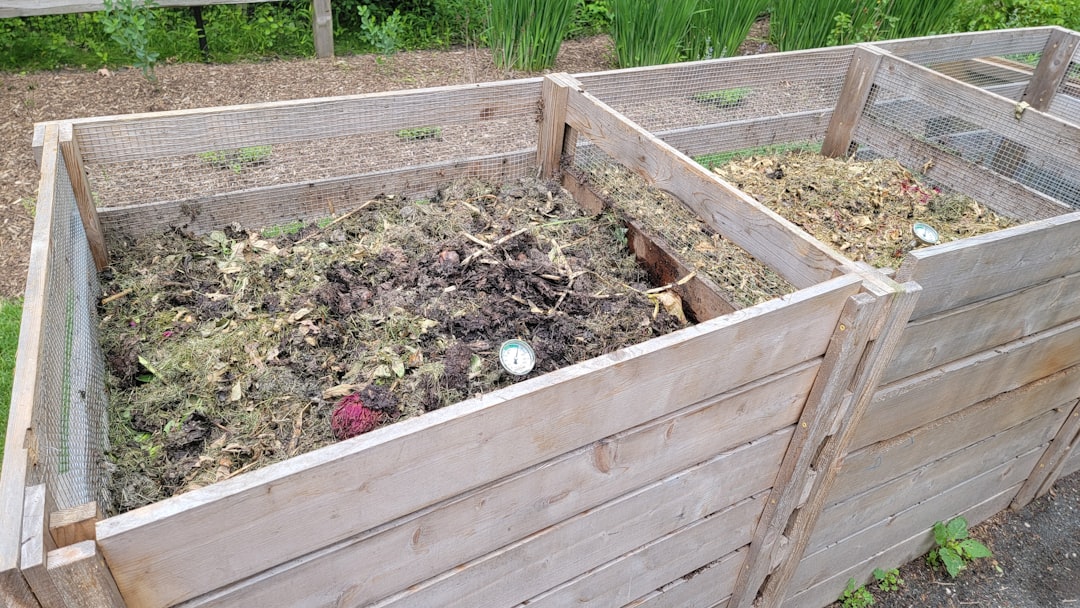
This method mimics commercial fermentation, ideal for larger home growers with 10-20 pounds of tobacco. After conditioning, stack the de-stemmed leaves tightly into a compact block, known as a ‘pilon’ or ‘stack.’ The internal pressure and the insulating properties of the mass will help generate and retain heat, which is essential for microbial activity. The pilon should be dense and insulated, perhaps wrapped in blankets or placed in an insulated container.
- Temperature monitoring: Insert a probe thermometer into the center of the pilon. Aim for an internal temperature between 110-140°F (43-60°C).
- Turning: As the temperature rises, typically every few days to a week, the pilon must be carefully disassembled and re-stacked, moving the cooler outer leaves to the center and the warmer inner leaves to the outside. This ensures even fermentation and prevents localized overheating.
- Duration: This process can take anywhere from 2 weeks to 3 months, depending on the desired outcome and tobacco type. You’re looking for a uniform dark brown color and a sweet, rich aroma.
Jar or bag fermentation
For smaller quantities, jar or heavy-duty plastic bag fermentation is more practical. Pack the conditioned, de-stemmed (and optionally shredded) tobacco tightly into airtight glass jars or sealable bags. Place these containers in a warm environment, ideally between 80-100°F (27-38°C). An attic, a warm closet, or a dedicated fermentation chamber (like a cooler with a reptile heating mat) can work.
- Regular aeration: Open the jars or bags daily or every other day for 15-30 minutes to release ammonia and other gases, and to check for mold. If any mold is present, remove the affected tobacco immediately.
- Moisture check: Ensure the tobacco remains moist but not wet. If it feels dry, mist lightly.
- Duration: This method usually takes 4-8 weeks, though some prefer longer. The tobacco will gradually darken and develop its characteristic aroma.
Here’s a comparison of these two popular home fermentation methods:
| Feature | Mini Pilon (Bulk) | Jar/Bag Fermentation |
|---|---|---|
| Minimum quantity | 10-20 lbs (4.5-9 kg) | 1-5 lbs (0.45-2.2 kg) |
| Temperature control | Internal heat generation, external insulation. 110-140°F (43-60°C) | External heat source required. 80-100°F (27-38°C) |
| Effort required | Higher (frequent re-stacking) | Lower (daily aeration/check) |
| Duration | 2 weeks – 3 months | 4-8 weeks (multiple cycles possible) |
| Risk factors | Overheating, uneven fermentation | Mold, too dry/wet |
Monitoring, troubleshooting, and post-fermentation insights
Effective fermentation is as much about observation as it is about execution. Throughout the process, regularly inspect your tobacco for visual cues, aroma changes, and temperature fluctuations. Successful fermentation reveals itself through a uniform darkening of the leaves, a pleasant, sweet, or earthy aroma (often described as fig, raisin, or chocolate-like), and a noticeable reduction in harshness. The absence of green tints is also a good indicator.
Troubleshooting common issues:
- No heat or activity (pilon method): This usually means the tobacco is too dry or the pilon isn’t dense enough. Increase moisture slightly and re-stack more tightly. Ensure the ambient temperature isn’t too low.
- Mold: The most common and serious problem. Mold typically indicates excessive moisture or insufficient air circulation. If you find small patches, you might be able to remove and discard the affected leaves and re-process the rest after drying slightly. Extensive mold usually means discarding the batch to avoid health risks.
- Off-odors: A strong ammonia smell is normal, especially during the first week, and dissipates with aeration. However, a foul, putrid, or truly unpleasant smell often indicates anaerobic bacterial spoilage due to excessive moisture. This usually requires discarding the batch.
Once you are satisfied with the fermentation (based on color, aroma, and taste tests), the tobacco needs to be reconditioned. Gradually dry the leaves to a stable moisture content suitable for storage, typically around 12-15%. This prevents further fermentation and mold. Store the fermented tobacco in airtight containers in a cool, dark place. While fermentation completes the major chemical changes, tobacco often benefits from further aging – sometimes for months or even years – during which its flavors continue to meld and mature, leading to an even smoother and more nuanced smoking experience.
Fermenting tobacco is a rewarding process that significantly elevates the quality of your home-grown leaves. It transforms a harsh, raw product into a smooth, aromatic delight, unveiling complex flavors and aromas that are simply unobtainable through curing alone. By understanding the microbial processes, meticulously preparing your leaves, and diligently managing temperature and moisture, you gain control over the character of your tobacco. Whether opting for a small-scale jar method or a more involved mini pilon, patience and careful observation are your most valuable tools. Remember to troubleshoot common issues like mold or lack of activity promptly to ensure a successful outcome. The journey doesn’t end with fermentation; a period of proper conditioning and aging will further enhance your tobacco, allowing it to mature into a truly exceptional product. Embrace this final, crucial step, and savor the rich, mellow fruits of your labor.
Image by: Brendan Stephens