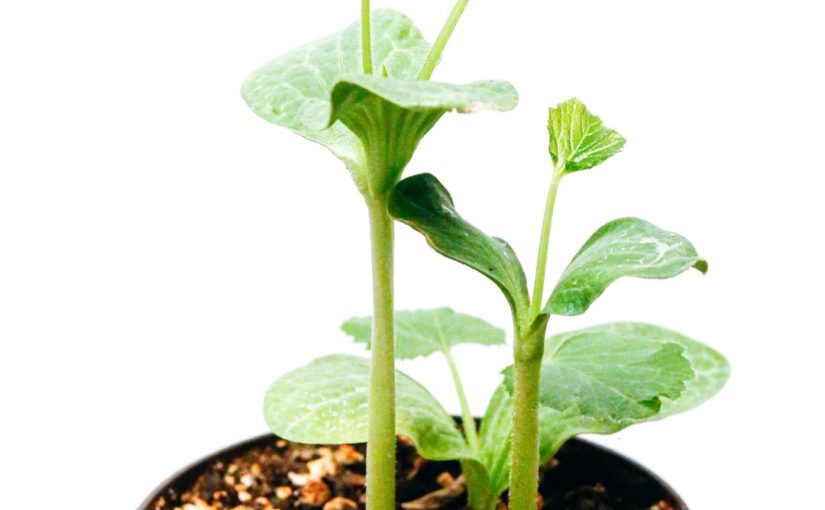
Mint, that wonderfully fragrant and tenacious herb, is often lauded for its ease of growth, thriving in a variety of conditions with minimal fuss. Many gardeners find it so robust that it practically grows itself, sometimes even a little too enthusiastically! However, while mint is indeed forgiving, understanding its nutritional needs and how to fertilize it correctly can elevate your harvest from merely acceptable to truly exceptional. This guide delves into the nuances of feeding your mint plants, whether they’re sprawling in the garden or neatly contained on a patio, ensuring a bountiful supply of lush, flavorful leaves for all your culinary and aromatic endeavors. We’ll explore when and what to feed your mint, dispelling common myths and providing practical advice for optimal growth.
Understanding mint’s nutritional needs
While mint is famously low-maintenance, even the hardiest plants benefit from the right nutrients at the right time. Mint plants, particularly those grown for their foliage, primarily benefit from a balanced diet, with a slight emphasis on nitrogen. Nitrogen promotes vigorous leafy growth, which is precisely what we want from our mint. Phosphorus supports root development and flower production (though we often prune mint to prevent flowering for better leaf flavor), and potassium contributes to overall plant health, disease resistance, and water regulation. In its natural habitat, mint often grows in rich, moist soil, continually replenishing nutrients through organic decomposition. In a garden setting, especially after multiple harvests or in less-than-ideal soil, these nutrients can become depleted.
Signs that your mint might appreciate a boost include stunted growth, smaller-than-usual leaves, or a general paling or yellowing of foliage, particularly the older leaves. This yellowing can indicate a nitrogen deficiency. However, it’s crucial to distinguish this from overwatering or other environmental stressors. Generally, if your mint is growing vigorously and maintaining a deep green color, additional fertilizer might be unnecessary. The goal is to supplement, not force-feed, as excessive fertilization can lead to leggy growth, reduced flavor intensity, and even “burning” the plant’s roots.
Choosing the right fertilizer
Selecting the appropriate fertilizer for your mint is key to promoting healthy growth without overwhelming the plant. Given mint’s primary use for its leaves, a balanced fertilizer or one slightly higher in nitrogen is often ideal. For most home gardeners, *organic fertilizers* are an excellent choice as they release nutrients slowly, improve soil structure, and are less likely to burn delicate roots. Options include:
- Compost or well-rotted manure: These act as a slow-release amendment, enriching the soil with a broad spectrum of nutrients and improving its texture. A thin layer applied annually is often sufficient for in-ground mint.
- Worm castings: A gentle, nutrient-rich option that can be top-dressed or mixed into potting soil.
- Fish emulsion: A liquid organic fertilizer with a good nitrogen content, ideal for a quick boost. It’s potent, so always dilute it according to package directions, often even to half strength for mint.
- Compost tea: A mild, homemade liquid fertilizer that provides beneficial microbes and nutrients.
If you opt for *synthetic fertilizers*, look for a balanced all-purpose formula, such as a 5-5-5 or 10-10-10 NPK ratio. However, these are much stronger and should always be diluted to at least half the recommended strength to prevent nutrient burn. Slow-release granular fertilizers can also be used, but again, sparingly. The primary consideration should always be to provide a gentle, consistent supply of nutrients rather than a sudden flush.
When and how to fertilize mint
Timing and application are crucial when it comes to fertilizing mint. Over-fertilization is a common mistake that can do more harm than good, leading to weak, overly lush growth with diminished flavor, or even root burn. For most mint plants, especially those in the ground with good soil, very little fertilization is needed. Often, an annual top-dressing of compost in the spring is perfectly adequate.
For mint in containers, or plants that have been heavily harvested, a more regular schedule might be beneficial. The best time to fertilize mint is in early spring as new growth emerges, giving it a head start for the growing season. If you harvest frequently, a light feeding mid-summer after a significant trim can help replenish nutrients and encourage a new flush of growth. Avoid fertilizing in late fall or winter when the plant is naturally slowing down its growth cycle.
When applying liquid fertilizers, always dilute them to at least half the strength recommended for other plants. Water your mint thoroughly before and after applying liquid feed to help distribute the nutrients and prevent root shock. For granular fertilizers, sprinkle them lightly around the base of the plant, avoiding direct contact with the stems, and then water them in well. Remember, mint is a resilient plant; it’s always better to under-fertilize than to over-fertilize.
Fertilizing mint in containers versus in-ground
The method and frequency of fertilizing mint largely depend on where it’s growing. Mint planted directly in garden beds with rich soil often requires minimal intervention, whereas container-grown mint has different needs due to its confined environment.
In-ground mint: When mint is planted directly into garden soil, especially if the soil was initially amended with compost or other organic matter, it rarely needs supplementary feeding. The vast network of roots can access nutrients more freely, and natural decomposition within the soil continuously provides nourishment. A single application of a slow-release organic fertilizer, like a 1-inch layer of well-rotted compost spread around the plant in early spring, is usually sufficient for the entire growing season. This helps improve soil structure and gradually releases nutrients. Over-fertilizing in-ground mint can lead to excessive, uncontrolled spreading, which is often a concern with this vigorous plant.
Container mint: Mint grown in pots is more dependent on you for its nutrient supply. The limited soil volume means nutrients are quickly depleted by frequent watering (which leaches them out) and plant uptake. Container mint benefits from more regular, albeit still light, fertilization. A good schedule is to apply a diluted liquid organic fertilizer (like fish emulsion or compost tea) every 4-6 weeks during the active growing season (spring through early fall). Alternatively, you can incorporate a slow-release granular organic fertilizer into the potting mix when planting, which will feed the plant for several months. Always ensure containers have good drainage to prevent waterlogging, which can also stress the plant and exacerbate nutrient issues.
Here’s a quick comparison of fertilizing strategies:
| Aspect | In-ground mint | Container mint |
|---|---|---|
| Frequency | Rarely; perhaps once annually in spring | Every 4-6 weeks during growing season |
| Fertilizer type | Slow-release organic (compost, well-rotted manure) | Diluted liquid organic, or slow-release granular |
| Primary concern | Soil health, preventing excessive spread | Nutrient depletion due to leaching and limited soil volume |
| Application strength | Standard for compost/manure; if granular, sparingly | Half-strength dilution for liquid fertilizers |
Fertilizing mint plants is less about necessity and more about optimizing growth and flavor, transforming a good harvest into a truly exceptional one. We’ve explored how mint’s modest nutritional needs can be met through strategic, gentle feeding, focusing on nitrogen for lush foliage. From choosing the right organic or balanced synthetic fertilizers to understanding the critical difference between in-ground and container-grown mint, the overarching theme is moderation. Whether you opt for an annual top-dressing of compost for your garden beds or a diluted liquid feed for your potted plants, the key is to observe your mint’s signals. A vibrant green color and vigorous growth are usually signs of a happy plant. By providing thoughtful care, you’ll be rewarded with an abundance of fragrant, flavorful mint, ready for countless culinary creations and refreshing beverages throughout the season. Embrace the simplicity and enjoy the bounty.
Image by: Suri Huang