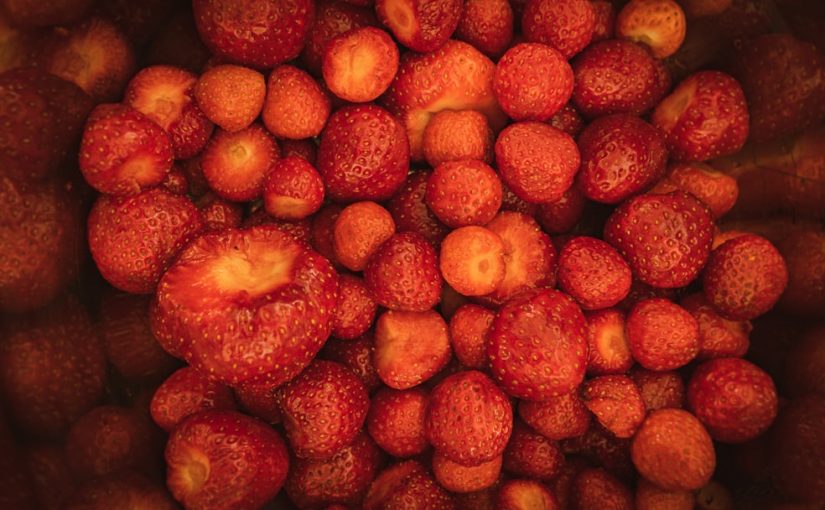
Gooseberries, with their unique tart and tangy flavor, are a delightful addition to any garden or culinary repertoire. However, their short growing season often leaves enthusiasts wishing for a way to savor these vibrant berries throughout the year. Fortunately, freezing is an incredibly effective method to preserve their distinctive taste and nutritional value, allowing you to enjoy a taste of summer even in the depths of winter. This comprehensive guide will walk you through every essential step, from selecting the perfect berries to proper preparation, various freezing techniques, and ultimately, how to best store and utilize your frozen gooseberry bounty. Get ready to extend your gooseberry season indefinitely!
Choosing and preparing your gooseberries for freezing
The journey to perfectly frozen gooseberries begins with careful selection and meticulous preparation. To ensure the best quality, always choose berries that are fully ripe, firm to the touch, and free from any blemishes, mold, or soft spots. While it might be tempting to freeze slightly underripe berries, they won’t develop their full flavor potential once thawed. Aim for a vibrant color, characteristic of the specific gooseberry variety.
Once you’ve gathered your ideal gooseberries, the cleaning process is paramount. Start by gently washing them under cool, running water. A colander works wonderfully for this, allowing you to rinse away any dirt, debris, or lingering garden inhabitants. After washing, thorough drying is absolutely crucial. Any residual moisture on the berries will turn into ice crystals during freezing, which can compromise texture and lead to freezer burn. Spread the gooseberries in a single layer on clean kitchen towels or paper towels and allow them to air dry completely, or gently pat them dry. This step, while seemingly minor, significantly impacts the final quality of your frozen fruit.
Finally, prepare the berries by “topping and tailing.” This involves removing the small stem at one end and the dry blossom end at the other. You can do this quickly with your fingers or a small pair of kitchen shears. Discard any shriveled or damaged berries you might have missed during the initial sorting. Proper preparation now saves time later and ensures a superior frozen product that’s ready for immediate use once thawed.
Pre-freezing methods: Single layer vs. sugar packing
Once your gooseberries are clean and prepped, you have a couple of primary methods for freezing them, each offering distinct advantages depending on how you plan to use them later. The two most popular approaches are the “single layer” or “flash freezing” method, and various “sugar packing” techniques.
The single layer freezing method is ideal if you want individual berries that don’t clump together, making them easy to scoop out for smoothies, pie fillings, or general culinary use. To do this, simply spread the dried, topped, and tailed gooseberries in a single layer on a baking sheet lined with parchment paper. Ensure the berries aren’t touching each other. Place the entire tray in the freezer for 1-2 hours, or until the berries are completely solid. Once frozen, transfer the solid berries into freezer-safe bags or airtight containers. This method prevents a large block of ice-bound fruit, allowing for convenient portion control.
Alternatively, sugar packing methods help preserve the gooseberries’ texture, color, and flavor, especially if you intend to use them in baked goods or preserves where maintaining their form is important. There are two main types:
- Dry sugar pack: Layer the prepared gooseberries with granulated sugar in a freezer-safe container. A common ratio is about 1 part sugar to 4-5 parts berries, though you can adjust this to your sweetness preference. The sugar draws out some moisture, creating a light syrup that helps protect the berries from freezer burn.
- Syrup pack: This involves immersing the berries in a cold sugar syrup. A common syrup ratio is 4 cups of water to 2 cups of sugar, brought to a boil and then cooled completely. Pack the berries into containers and pour the cooled syrup over them, leaving about half an inch of headspace. This method offers excellent protection against oxidation and texture degradation, making it superb for pies and sauces.
Here’s a quick comparison:
| Method | Best for | Pros | Cons |
|---|---|---|---|
| Single Layer Freeze | Smoothies, general use, portion control | Individual berries, easy to measure | Slightly more prone to texture change |
| Dry Sugar Pack | Pies, crumbles, preserves | Maintains color and texture well | Adds sugar, less versatile for savory uses |
| Syrup Pack | Pies, sauces, compotes | Excellent texture and color preservation | More preparation time, adds sugar and liquid |
Packaging and storage for optimal freshness
Proper packaging is just as vital as careful preparation in extending the life and quality of your frozen gooseberries. The goal is to minimize exposure to air, which is the primary culprit behind freezer burn—a condition that leaves food discolored, dry, and with an off-flavor. Invest in high-quality, freezer-safe packaging materials designed to withstand sub-zero temperatures.
For single-layer frozen gooseberries, heavy-duty freezer bags are an excellent choice. After transferring the frozen berries from the baking sheet, press out as much air as possible before sealing the bag. A vacuum sealer is even better if you have one, as it removes nearly all air, offering superior protection. For sugar-packed gooseberries or those packed in syrup, rigid freezer-safe containers made of plastic or glass are ideal. Ensure they are airtight and leave about half an inch of headspace if using syrup, as liquids expand slightly when frozen.
Labeling your packages is a small step that makes a big difference. Clearly mark each container or bag with the contents (e.g., “Gooseberries”) and the date it was frozen. This prevents confusion and helps you rotate your stock, ensuring you use the oldest berries first. Frozen gooseberries stored correctly can maintain their peak quality for 9 to 12 months, although they will remain safe to eat beyond that time, albeit with a potential decline in texture or flavor.
Finally, store your packaged gooseberries in the coldest part of your freezer, typically the back, where temperatures are most consistent. Avoid repeatedly opening the freezer door for long periods, as temperature fluctuations can also negatively impact the quality of your frozen produce. A well-organized freezer not only makes items easier to find but also contributes to better overall food preservation.
Thawing and using your frozen gooseberries
Once you’ve meticulously frozen and stored your gooseberries, the exciting part is bringing them back to life in your kitchen. How you thaw and use them can significantly impact the final dish. In many cases, you won’t even need to thaw them fully, depending on your culinary application.
For recipes where you want the berries to retain some structure, like in a pie or crumble, it’s often best to add them directly from frozen. This helps prevent them from becoming too mushy upon thawing and ensures they hold their shape better during baking. Simply incorporate the frozen berries into your recipe, adding a few extra minutes to the cooking time to account for the frozen state. If you are making a jam or sauce, adding them frozen is also perfectly fine; they will naturally release their juices as they heat.
If your recipe calls for fresh gooseberries and requires them to be thawed, the safest and best method is to transfer them from the freezer to the refrigerator and let them thaw slowly overnight. This gradual thawing helps to preserve their texture. For a quicker thaw, you can place the sealed bag or container of gooseberries in a bowl of cold water, changing the water every 30 minutes until thawed. Avoid thawing at room temperature for food safety reasons, and never refreeze thawed gooseberries that have been at room temperature for more than two hours.
Frozen gooseberries are incredibly versatile. They are perfect for:
- Pies and crumbles: Use directly from frozen.
- Jams and jellies: Thaw slightly or add frozen, then cook down.
- Sauces and compotes: Great for topping desserts or savory dishes.
- Smoothies: A fantastic way to add tartness and nutrients directly from frozen.
- Muffins and quick breads: Gently fold in frozen berries to prevent bleeding.
- Sorbets and ice creams: Create refreshing desserts.
With a freezer full of preserved gooseberries, you’re equipped to add a burst of vibrant flavor to your meals any time of the year, making your culinary endeavors both convenient and delicious.
Freezing gooseberries is a simple yet incredibly rewarding process that allows you to capture the essence of summer and enjoy these delightful berries throughout the year. From selecting firm, ripe fruit and meticulously cleaning them, to choosing the right freezing method—be it flash-freezing for individual berries or sugar packing for enhanced preservation—each step plays a crucial role in maintaining quality. Proper packaging, vigilant labeling, and consistent freezer temperatures are the final keys to extending their shelf life for up to a year.
Whether you toss them frozen into a smoothie, bake them into a classic pie, or simmer them into a tangy sauce, your carefully preserved gooseberries will deliver a burst of fresh flavor, proving that a little effort in preparation can yield year-round culinary enjoyment. Embrace this smart preservation technique and keep your kitchen stocked with the vibrant taste of gooseberries, ready for any recipe inspiration that strikes.
Image by: Paul