Discovering a yellowjacket nest beneath your deck can transform a relaxing outdoor space into a high-stress hazard. These aggressive stinging insects are notorious for their painful stings and tendency to defend their nests vigorously, especially when disturbed. A nest hidden under a deck poses a particular challenge, often discovered only when activity levels increase or someone accidentally gets too close. Addressing this problem safely and effectively is paramount, not just for comfort but for the safety of your family and pets. This guide will walk you through understanding the threat, preparing for the task, exploring effective removal methods, and ultimately, how to reclaim your deck from these unwelcome guests.
Understanding the yellowjacket threat under your deck
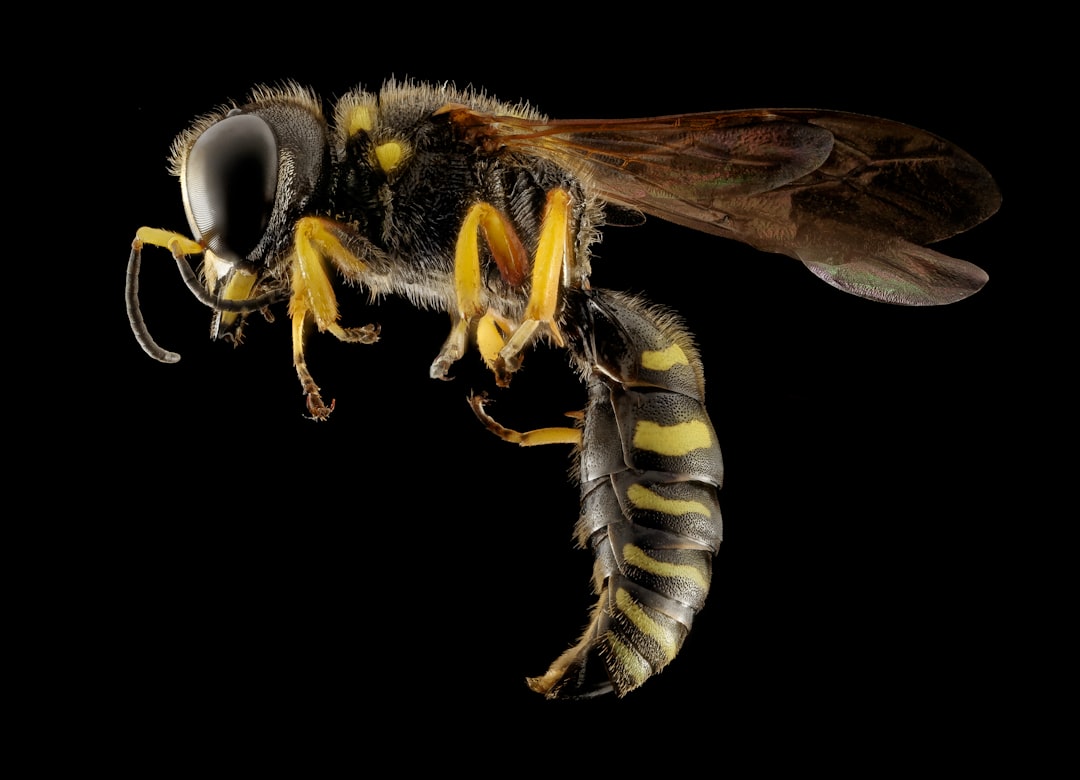
Yellowjackets are more than just a nuisance; they are a formidable pest. Unlike docile bees, yellowjackets are highly territorial and can sting multiple times without losing their stinger. Their nests, often constructed from chewed wood fiber mixed with saliva, resemble papery spheres or irregular masses, frequently found in sheltered, dark locations like wall voids, ground cavities, and, yes, beneath the structural elements of a deck. These insects are attracted to sugary foods and proteins, making your outdoor barbecues and picnics prime targets for foraging scouts. The real danger, however, lies in their colonial defense mechanism. Disturbing a nest can provoke a swarm, leading to multiple stings, which can be life-threatening for individuals with allergies or dangerous for anyone, particularly children and pets. Recognizing the signs of a nest—increased yellowjacket activity around a specific entry point, a distinct buzzing sound, or visual confirmation of the papery structure—is the first step toward effective mitigation.
Prioritizing safety: essential preparations for removal
Attempting to remove a yellowjacket nest requires meticulous preparation to ensure personal safety. Rushing into the task without adequate precautions can lead to a painful and dangerous encounter. Firstly, timing is critical. Yellowjackets are least active and most docile during late evening or night, when temperatures are cooler and the entire colony is typically inside the nest. This significantly reduces the risk of encountering agitated foragers. Secondly, personal protective equipment (PPE) is non-negotiable. This includes a full bee suit or, at minimum, thick long-sleeved shirts and pants, gloves, socks pulled over pant cuffs, closed-toe shoes or boots, and most importantly, a bee veil or a mesh-covered hat to protect your face and neck. Minimizing exposed skin is vital. Additionally, ensure you have a clear escape route planned before approaching the nest, and avoid working alone. Have a flashlight with a red filter (yellowjackets are less attracted to red light) ready, and keep a phone nearby in case of an emergency. Preparing thoroughly is not overkill; it’s a commitment to your well-being.
Strategic removal methods: DIY solutions versus professional intervention
Once safety preparations are complete, you can consider your removal strategy. The decision between a do-it-yourself (DIY) approach and hiring a professional often hinges on the nest’s accessibility, size, your comfort level, and any potential allergies in your household.
For DIY attempts, the most effective method for nests under decks typically involves an insecticide dust. Unlike sprays, which can agitate the colony instantly and create a hazardous cloud, dusts work slower. The idea is to apply a generous amount of dust (such as carbaryl dust or permethrin dust) directly into the nest’s entry point late at night. The yellowjackets entering and exiting the nest will track the dust deeper into the colony, gradually killing the inhabitants. You will need an applicator, often a duster that allows you to blow the product precisely. It’s crucial not to block the entrance immediately, as this prevents the dust from being carried inside.
Here’s a comparison of common removal approaches:
| Method | Risk Level | Effectiveness | Cost (Approx.) | Complexity |
|---|---|---|---|---|
| DIY insecticide dust | Medium | High (when applied correctly) | $15 – $30 | Moderate |
| DIY insecticide spray | High | Medium (can agitate & miss queen) | $10 – $25 | Low to Moderate |
| Professional pest control | Low (for homeowner) | Very high | $150 – $400+ | Low (for homeowner) |
When to call a professional: If the nest is particularly large, in an extremely difficult-to-reach spot, if you or someone in your home has a severe allergy to stings, or if you simply feel uncomfortable tackling it yourself, hiring a licensed pest control professional is the wisest course of action. Professionals have specialized equipment, industrial-strength insecticides, and the expertise to remove nests safely and thoroughly, often guaranteeing their work. Their knowledge can be invaluable for nests situated in tricky structural voids or those that are well-established.
Preventing future infestations and ongoing maintenance
Successfully removing a yellowjacket nest is a significant achievement, but the work isn’t over. To ensure your deck remains yellowjacket-free, proactive prevention and ongoing maintenance are key. Begin by thoroughly inspecting your deck’s structure. Seal any cracks, crevices, or gaps in the decking, joists, or foundation that could serve as potential entry points or sheltered nesting sites. Use caulk, wood filler, or expanding foam as appropriate. Consider installing fine mesh screening around the perimeter of the deck where it meets the ground to deter ground-nesting yellowjackets from burrowing underneath.
Beyond structural measures, good sanitation practices are vital. Yellowjackets are scavengers, highly attracted to food sources. Keep outdoor eating areas clean, promptly remove food scraps, and ensure garbage cans have tight-fitting lids. Rinse recycling containers before placing them outside. Regularly check for and remove fallen fruit from trees, as these provide a sugary feast. While not a primary solution, yellowjacket traps can be used as a monitoring tool to gauge activity levels, but they rarely eliminate a full colony. Consistent vigilance and maintenance will significantly reduce the likelihood of these aggressive pests deciding to call your deck home again.
Dealing with a yellowjacket nest under your deck requires a cautious, informed, and strategic approach. We’ve explored the inherent dangers these aggressive insects pose, emphasizing the critical importance of safety precautions, including proper timing and essential protective gear. We delved into effective removal methods, distinguishing between careful DIY applications of insecticide dust and the often-necessary intervention of professional pest control services, especially for complex or high-risk situations. Finally, we outlined crucial preventative measures, from sealing potential entry points to maintaining impeccable sanitation, ensuring your outdoor living space remains safe and enjoyable. Remember, a proactive approach and prioritizing safety are your best allies in reclaiming your deck from yellowjackets and enjoying peace of mind.