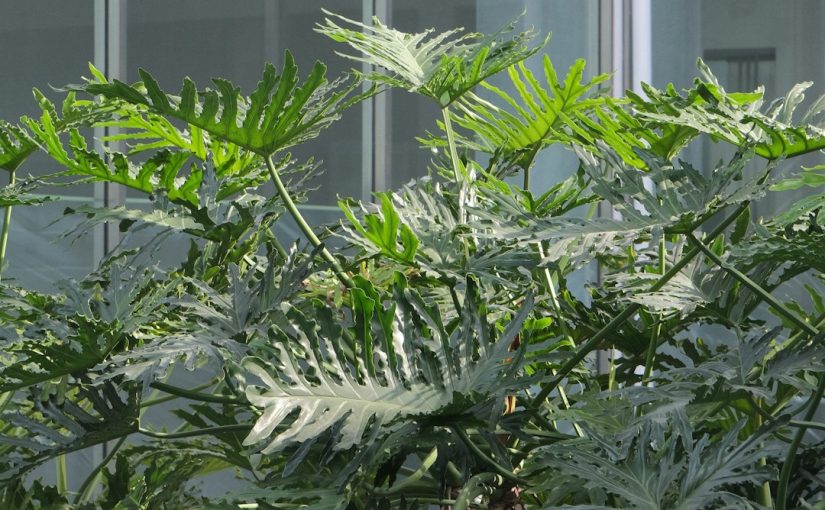
Euonymus plants, with their vibrant foliage and versatile nature, are a popular choice for hedges, groundcover, and ornamental plantings in many gardens. Their hardiness and aesthetic appeal make them a staple for landscape designers and home gardeners alike. However, even these resilient plants are not immune to pest problems. A common concern that often arises is the presence of what gardeners frequently refer to as “flies” infesting their Euonymus. While these might not be literal houseflies, this term often describes a range of small, winged, or sedentary pests that can significantly impact your plant’s health and appearance. Understanding exactly what these pests are and how to effectively manage them is crucial for maintaining the beauty and vigor of your Euonymus. This guide will delve into identifying these common culprits and provide a comprehensive strategy for their control and eradication.
Identifying the culprits: understanding common euonymus pests
When gardeners observe “flies” on their euonymus, they are most often encountering one of a few common pests that thrive on these plants. Accurate identification is the first, and perhaps most critical, step toward effective treatment. Misidentifying the pest can lead to ineffective interventions, wasted effort, and prolonged damage to your plant.
The primary culprits typically include:
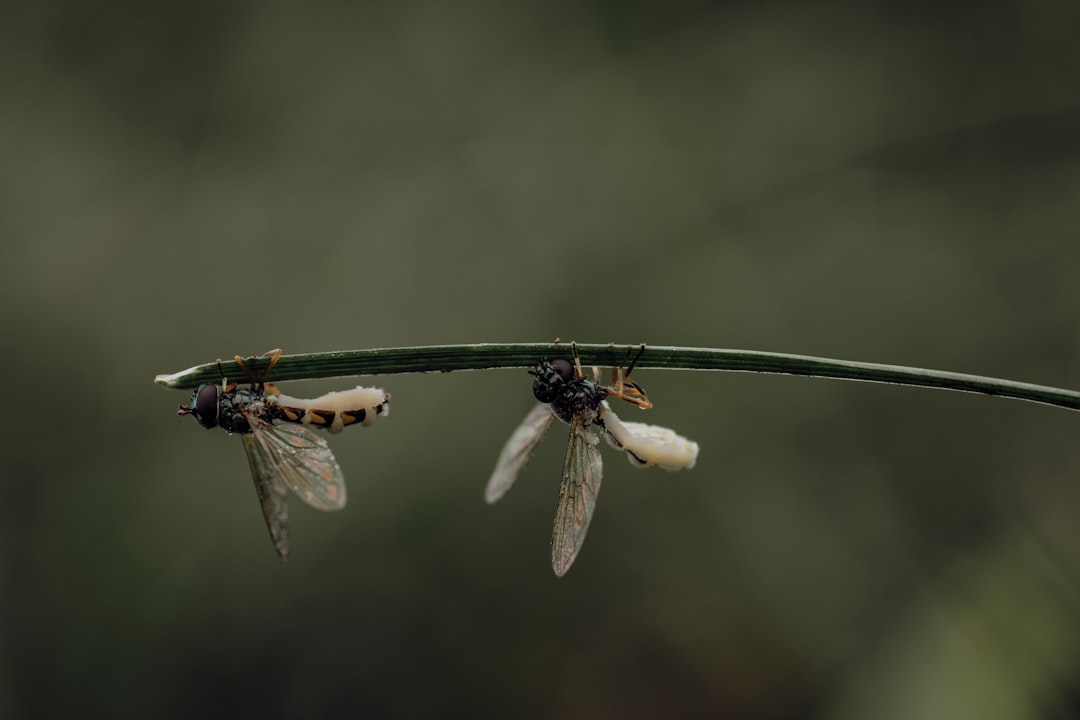
- Euonymus scale: This is perhaps the most notorious pest of euonymus. Despite the common misnomer of “flies,” adult female euonymus scale insects are actually tiny, immobile, oyster-shell-shaped bumps that attach firmly to stems and leaves. Males are smaller, white, and winged, often seen fluttering around the plant, which might contribute to the “fly” description. They feed by sucking sap, leading to yellowing leaves, stunted growth, and eventually branch dieback. A heavy infestation gives the plant a crusty, almost fuzzy appearance due to the sheer number of scale bodies.
- Aphids: These are small, pear-shaped insects that can be green, black, pink, or even white. They often congregate on new growth, leaf undersides, and tender stems. While some species are wingless, others develop wings, allowing them to fly between plants, leading to them being mistaken for small flies. Aphids also feed by sucking sap, causing distorted, curled, and yellowed leaves. They excrete a sticky substance called honeydew, which can lead to the growth of black sooty mold on the plant.
- Whiteflies: True to their name, whiteflies are tiny, white, moth-like insects that are often found in clusters on the undersides of leaves. When disturbed, they flutter about in a cloud, making them a prime candidate for the “flies” description. Like aphids, they feed on plant sap and excrete honeydew, which encourages sooty mold. Heavy infestations can cause leaves to yellow, wilt, and drop prematurely.
Here’s a quick comparison of these common euonymus pests:
| Pest Type | Appearance | Common Location | Damage Signs |
|---|---|---|---|
| Euonymus Scale | Small, immobile, oyster-shell shaped (females); tiny, white, winged (males) | Stems, undersides of leaves, branches | Yellowing leaves, stunted growth, branch dieback, crusty appearance |
| Aphids | Small, pear-shaped (green, black, white), some winged | New growth, leaf undersides, tender stems | Curled/distorted leaves, yellowing, sticky honeydew, sooty mold |
| Whiteflies | Tiny, white, moth-like insects (flutter when disturbed) | Undersides of leaves | Yellowing leaves, wilting, premature leaf drop, sticky honeydew, sooty mold |
Cultural practices and preventative measures
Preventing pest infestations before they take hold is always more effective and less labor-intensive than treating an existing problem. Healthy, vigorous euonymus plants are naturally more resistant to pests and can recover more quickly from minor infestations. Implementing good cultural practices is the cornerstone of pest management.
- Proper site selection and planting: Ensure your euonymus is planted in well-draining soil and receives the appropriate amount of sunlight for its specific variety. Stressed plants are magnets for pests.
- Adequate watering: Provide consistent moisture, especially during dry spells, but avoid overwatering, which can lead to root rot. A healthy root system supports overall plant health.
- Balanced fertilization: Fertilize according to soil test recommendations. Over-fertilization, particularly with high-nitrogen fertilizers, can encourage lush, tender growth that is particularly attractive to sap-sucking pests like aphids.
- Pruning and air circulation: Regularly prune your euonymus to remove dead or diseased branches and to improve air circulation within the plant canopy. Dense, overgrown plants create humid, sheltered environments that are ideal for many pests. Proper pruning also makes it easier to inspect the plant for early signs of infestation.
- Regular inspection: Make it a habit to routinely inspect your euonymus plants, paying close attention to the undersides of leaves, new growth, and stem junctions. Early detection of pests allows for immediate, often less intensive, intervention. Look for unusual spots, sticky residue, curled leaves, or tiny insects.
- Sanitation: Remove and dispose of fallen leaves and plant debris around the base of the euonymus. These can harbor overwintering pests and disease spores.
Organic and natural control methods
For gardeners who prefer an eco-friendly approach or have minor infestations, several organic and natural methods can be highly effective against euonymus pests. These methods often target the pests directly while minimizing harm to beneficial insects and the environment.
- Hosing off plants: For aphids and whiteflies, a strong stream of water from a garden hose can dislodge them from the plant. This needs to be done regularly (every few days) until the population declines. Focus on the undersides of leaves where pests tend to hide. This method is less effective against scale insects due to their tenacious attachment.
- Insecticidal soap: Formulated from potassium salts of fatty acids, insecticidal soaps work by disrupting the cell membranes of soft-bodied insects like aphids and whiteflies. They are safe for most plants and have low toxicity to humans and pets. Thorough coverage is essential, as the soap only works on contact. Multiple applications may be necessary.
- Neem oil: Derived from the neem tree, neem oil acts as an antifeedant, growth disruptor, and repellent for a wide range of pests, including scale crawlers, aphids, and whiteflies. It’s most effective when applied before an infestation becomes severe and can be used as a preventative measure. Apply according to package directions, ensuring good coverage of all plant surfaces.
- Horticultural oils (summer weight): These highly refined oils suffocate overwintering eggs and adult scale insects, as well as aphids and whiteflies. Summer oils are lighter and can be used on plants during the growing season, but always check the label for specific plants and temperature restrictions to avoid phytotoxicity. For scale, timing is crucial—applying when the vulnerable “crawler” stage is active is most effective.
- Beneficial insects: Encouraging natural predators can be a highly sustainable pest control strategy. Ladybugs and lacewings are voracious eaters of aphids. Parasitic wasps can lay eggs inside scale insects and aphids, effectively turning the pests into food for their offspring. Attract these beneficials by planting diverse flowers and herbs that provide nectar and pollen.
- Hand-picking or rubbing: For small infestations of scale insects, aphids, or whiteflies on a few leaves, you can manually remove them. Scale insects can be gently scraped off with a fingernail or a soft brush. For aphids, simply squishing them between your fingers can be effective for localized clusters.
Targeted treatments and chemical interventions
When natural and cultural methods are not sufficient, particularly with severe or persistent infestations like euonymus scale, more targeted treatments may be required. These often involve insecticides, which should always be used as a last resort and with extreme caution, following all label instructions meticulously to minimize harm to non-target organisms and the environment.
- Dormant oil sprays: For heavy infestations of euonymus scale, a dormant oil spray applied in late winter or early spring before new growth emerges can be highly effective. These heavier oils suffocate overwintering scale insects and their eggs. Ensure thorough coverage of stems and branches.
- Systemic insecticides: These chemicals are absorbed by the plant and move throughout its tissues, making the plant toxic to feeding insects. Systemic insecticides containing active ingredients like imidacloprid or dinotefuran can be very effective against difficult pests like euonymus scale, aphids, and whiteflies. They can be applied as a soil drench, granular application, or bark spray. The advantage is that they provide long-lasting control and don’t harm beneficial insects that don’t feed on plant sap. However, their use should be considered carefully due to potential impacts on pollinators and other beneficials that might interact with the plant, so consult with a local extension office or professional before applying.
- Contact insecticides: For immediate knockdown of actively feeding pests, contact insecticides might be used. These typically have a shorter residual effect and are best used when pests are visible and active. Always select products specifically labeled for use on euonymus and for the particular pest you are targeting.
- Professional intervention: For very large euonymus hedges, mature specimen plants, or persistent, widespread infestations that prove resistant to home treatments, consulting a certified arborist or a professional pest control service specializing in ornamental plants is advisable. They can accurately diagnose the problem, recommend the most effective and safest treatments, and apply restricted-use pesticides if necessary.
Maintaining the health and beauty of your euonymus plants is a rewarding aspect of gardening. While the sight of “flies” can be alarming, understanding that these are typically scale, aphids, or whiteflies is the first step towards effective management. We’ve explored the critical importance of accurate pest identification, highlighting the unique characteristics and damage patterns of each common culprit. From there, we delved into preventative cultural practices, emphasizing that a healthy plant is your best defense. We also outlined a range of organic and natural control methods, such as hosing off, insecticidal soaps, neem oil, and the power of beneficial insects, providing eco-friendly solutions for minor to moderate issues. Finally, for more stubborn or severe infestations, we discussed targeted treatments, including dormant oils and systemic insecticides, along with when to seek professional help. By adopting an integrated pest management approach that combines these strategies, you can effectively eradicate pests, restore your euonymus to its vibrant best, and ensure its continued splendor in your landscape.
Image by: Riley Cheng