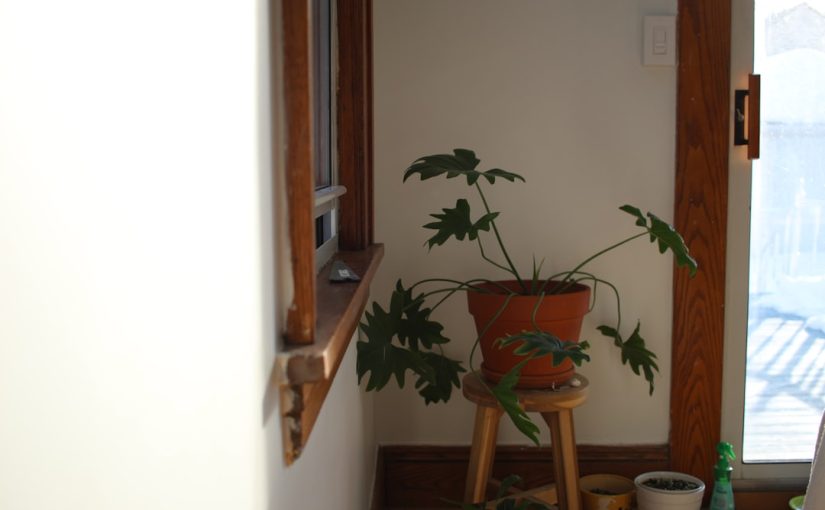
Spider plants are beloved for their easy care and graceful arching foliage, often adorning homes and offices with a touch of greenery. However, even these resilient plants can fall victim to an annoying, albeit common, pest: fungus gnats. These tiny, dark-winged insects are not only a nuisance as they fly around, but their larvae, residing in the soil, can potentially harm your plant’s root system if left unchecked. Understanding how these pests thrive and, more importantly, how to effectively eliminate them is crucial for maintaining a healthy and beautiful spider plant. This article will guide you through practical, actionable strategies, from environmental adjustments to natural treatments, ensuring your cherished spider plant remains gnat-free and flourishing.
Understanding the enemy: fungus gnats and why they love your spider plant
Before tackling an infestation, it is essential to understand your adversary. Fungus gnats (Mycetophilidae and Sciaridae families) are small, dark-bodied flies, typically about 2-3 mm long, often mistaken for fruit flies. They are attracted to moist soil and decaying organic matter, which unfortunately describes the ideal environment for many houseplants, including spider plants. Their lifecycle unfolds in four stages: egg, larva, pupa, and adult. The adult gnats, while annoying, are mostly harmless; their primary role is to mate and lay eggs. The real culprits are the translucent, black-headed larvae that hatch in the top few inches of moist soil.
These larvae feed on fungi, algae, and decomposing organic material within the potting mix. If food sources are scarce, or if the infestation is severe, they may also munch on delicate plant roots, particularly the fine root hairs that spider plants use for water and nutrient absorption. This root damage can lead to wilting, stunted growth, and yellowing leaves, mimicking symptoms of over or underwatering. Spider plants are particularly susceptible because their soil is often kept consistently moist, especially when they are actively growing or producing numerous ‘spiderettes,’ providing an ideal breeding ground for these pests.
Immediate actions: drying out and sanitation
The first and most critical step in gnat control involves disrupting their breeding cycle by addressing the conditions they thrive in. Since fungus gnats lay eggs in moist soil, reducing soil moisture is paramount.
- Adjust watering habits: Allow the top 1-2 inches of soil to dry out completely between waterings. For spider plants, this might mean watering less frequently than you currently do. You can test the soil moisture by inserting your finger or a chopstick into the soil. When you do water, water thoroughly until it drains from the bottom, then empty any excess water from the saucer.
- Consider bottom watering: This method involves placing the plant pot in a tray of water and allowing the plant to soak up water from the bottom. This keeps the top layer of soil relatively dry, making it less attractive for adult gnats to lay eggs.
- Remove organic debris: Decaying leaves, fallen petals, or any other organic material on the soil surface provide a food source for gnat larvae. Regularly inspect your spider plant and promptly remove any such debris.
- Sterilize soil (if repotting): If your infestation is severe or persistent, repotting might be necessary. When repotting, use fresh, sterile potting mix. Gently clean any old soil from the roots before replanting. Ensure your pots have adequate drainage holes.
By making these simple environmental adjustments, you significantly reduce the hospitable conditions for gnats, breaking their lifecycle and reducing their numbers.
Physical barriers and traps for adult gnats
While drying out the soil tackles the larval stage, you will also need strategies to capture or deter the adult gnats, preventing them from laying more eggs. These methods are typically non-toxic and effective when used consistently.
- Yellow sticky traps: These are incredibly effective for catching adult fungus gnats. Their bright yellow color attracts the gnats, which then get stuck to the adhesive surface. Place small sticky traps directly into the soil or hang them near your spider plant. Replace them regularly as they fill up.
- DIY apple cider vinegar traps: You can create a simple trap by pouring a small amount of apple cider vinegar into a shallow dish, adding a few drops of dish soap, and placing it near your plant. The vinegar attracts the gnats, and the dish soap breaks the surface tension, causing them to drown.
- Sand or gravel layer: A layer of horticultural sand, decorative gravel, or even diatomaceous earth (DE) about 1/2 to 1 inch thick on top of the soil can act as a physical barrier. This layer prevents adult gnats from accessing the moist soil to lay eggs and can also trap emerging adults. When using DE, ensure it’s food-grade and apply it to dry soil.
- Improve air circulation: A small fan directed at your spider plant can help dry out the topsoil more quickly and make it difficult for gnats to fly and land on the soil surface, thus deterring egg-laying.
Natural and biological treatments for stubborn infestations
For more persistent gnat problems, or if you prefer natural solutions, several targeted treatments can effectively eliminate both adult gnats and their larvae without resorting to harsh chemicals.
| Method | Target Stage | Primary Benefit | Application Notes |
|---|---|---|---|
| Reduced watering | Eggs/Larvae | Breaks lifecycle | Allow topsoil to dry completely |
| Yellow sticky traps | Adults | Captures flying gnats | Place near soil, replace often |
| Neem oil | Larvae/Adults | Insect growth regulator | Soil drench or foliar spray (diluted) |
| BTI (mosquito bits) | Larvae | Specific larval killer | Soak in water for watering or mix into soil |
| Hydrogen peroxide | Eggs/Larvae | Oxygenates soil, kills on contact | Dilute 1 part 3% H2O2 to 4 parts water, drench |
- Neem oil: An organic insecticide, neem oil works as an insect growth regulator and antifeedant. Mix a diluted solution according to package directions and use it as a soil drench. This will target the larvae in the soil, preventing them from maturing. A light foliar spray can also deter adult gnats.
- BTI (Bacillus thuringiensis israelensis): This is a naturally occurring bacterium that is toxic to the larvae of fungus gnats, mosquitoes, and blackflies, but harmless to plants, pets, and humans. Products like “mosquito bits” or “mosquito dunks” contain BTI. You can soak these in your watering can for several hours, then use the infused water to irrigate your spider plant, effectively killing the gnat larvae.
- Hydrogen peroxide drench: A solution of 3% hydrogen peroxide mixed with water (typically one part peroxide to four parts water) can be used as a soil drench. When poured onto the soil, the peroxide fizzes, oxygenating the soil and killing gnat larvae and eggs on contact. It quickly breaks down into water and oxygen, leaving no harmful residue.
- Beneficial nematodes (Steinernema feltiae): These microscopic, parasitic worms are natural predators of fungus gnat larvae. They are applied to the soil and actively seek out and infect the larvae, providing long-term biological control. They are safe for plants and other beneficial organisms.
Conclusion
Eliminating gnats from your spider plant requires a consistent, multi-pronged approach, combining environmental controls with targeted treatments. From the foundational step of adjusting your watering habits to implementing physical traps and biological solutions, each strategy plays a vital role in disrupting the gnat lifecycle. Remember that patience is key, as fully eradicating an infestation often takes time and persistence. By regularly monitoring your plant, maintaining proper soil moisture, and acting swiftly at the first sign of pests, you can ensure your spider plant remains a vibrant, healthy, and gnat-free addition to your indoor garden. A proactive stance ensures long-term success and a peaceful coexistence with your green companions.
Image by: Crystal Jo