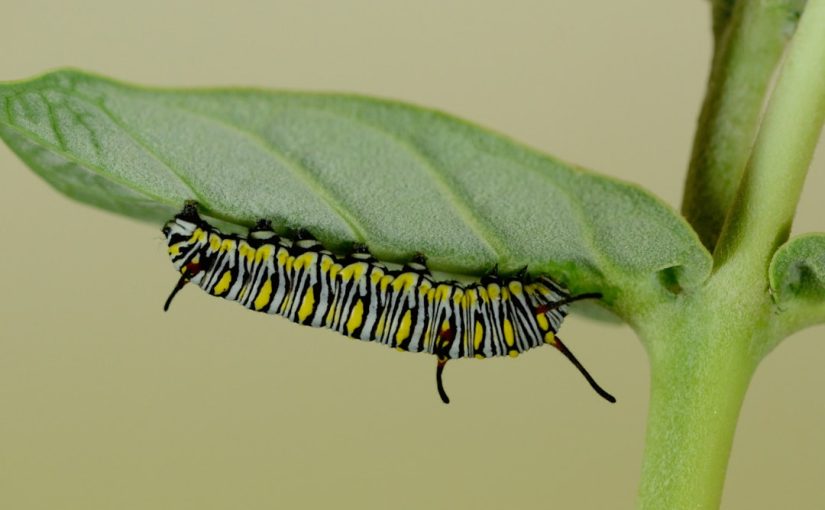
The relentless march of the gypsy moth, now commonly referred to as the spongy moth, poses a significant threat to our forests and beloved backyard trees. These invasive insects, originating from Europe, have a notorious appetite for the leaves of hundreds of tree species, leading to severe defoliation that can weaken trees, make them susceptible to other pests and diseases, and even result in tree death over multiple seasons. Understanding how to effectively identify and eliminate their nests is not just about protecting individual trees, but also about safeguarding the ecological balance of our green spaces. This guide will walk you through practical, step-by-step strategies to tackle spongy moth nests at various stages of their life cycle, empowering you to defend your landscape against these destructive invaders.
Identifying the enemy and understanding its life cycle
Effective control of the spongy moth begins with accurate identification and a grasp of its life cycle. Knowing what to look for and when to look for it allows for targeted and more successful intervention. The spongy moth undergoes four distinct life stages: egg, larva (caterpillar), pupa, and adult moth.
The most crucial stage for manual intervention is the egg mass. These are typically found from late summer through early spring, after the adult moths have laid them. They appear as fuzzy, tan or yellowish-brown patches, often about 1-2 inches long, resembling a small piece of felt or suede. Egg masses are commonly laid on tree trunks, branches, rocks, outdoor furniture, vehicles, and even homes. Each mass can contain hundreds of eggs, making their removal an incredibly impactful preventative measure.
Next are the larvae, or caterpillars, which hatch from the egg masses in late April to early May, depending on the climate. Young caterpillars are tiny and dark, dispersing by “ballooning” on silk threads. As they mature, they become easily recognizable: hairy, dark bodies with five pairs of blue dots followed by six pairs of red dots running along their backs. These are the destructive feeders, consuming vast quantities of foliage. They typically feed at night and seek shelter during the day in crevices or under bark flaps.
The pupae stage occurs around late June to early July. The caterpillars transform into dark, reddish-brown pupae, often encased in a loose silken cocoon. They are usually found in protected locations, such as under bark, in leaf litter, or in cracks and crevices. Finally, adult moths emerge from these pupae in July and August. The males are brown and can fly; the females are whitish with dark markings but are flightless, meaning they rely on finding a mate near where they emerge to lay their egg masses.
Early season intervention: targeting egg masses
The most impactful and often easiest method to control spongy moth populations is by eliminating their egg masses. This can be done from late August, after the females lay their eggs, throughout the winter, and up until late April, just before the eggs hatch in spring. Targeting this stage prevents hundreds of caterpillars from ever emerging.
To remove egg masses, you’ll need a few simple tools:
- A stiff brush or putty knife
- A bucket of soapy water (dish soap works fine)
- Gloves for protection
Walk around your property, meticulously inspecting tree trunks, branches (especially the undersides), rock walls, fences, and any outdoor structures. When you locate an egg mass, gently but firmly scrape it off the surface using your putty knife or stiff brush. Ensure you scrape off all the fuzzy material. It is crucial to collect these scraped masses and immediately drop them into a bucket of soapy water. The soap solution suffocates the eggs, preventing them from hatching. Simply scraping them onto the ground is not enough, as the eggs can still survive and hatch.
For egg masses that are out of reach, a strong jet of water from a hose can sometimes dislodge them, though this is less effective than manual scraping. For very tall trees with inaccessible egg masses, you might consider consulting an arborist, especially if the infestation is severe. Diligence in the fall and winter months can drastically reduce the spongy moth population in your yard for the following spring.
Mid-season defense: managing caterpillars and pupae
Even with thorough egg mass removal, some caterpillars may still appear. Mid-season strategies focus on controlling these active larvae and, if found, pupae. This requires a different set of tactics, primarily conducted during late spring and early summer.
Caterpillar control strategies:
- Hand-picking: For smaller infestations or reachable branches, hand-picking caterpillars can be effective. Always wear gloves, as some people can experience skin irritation from their hairs. Collect the caterpillars and drop them into a bucket of soapy water to kill them. This method is best done in the early morning or late evening when caterpillars are most active on foliage.
- Burlap bands: This is a highly effective passive trapping method. Wrap a strip of burlap approximately 18 inches wide around the trunk of an infested tree, securing it with twine at chest height. Fold the top half of the burlap over the bottom half to create a skirt. During the day, caterpillars crawling down from the canopy to seek shelter will congregate under the burlap flap. Check these bands daily, remove the trapped caterpillars, and drop them into soapy water.
- Horticultural oils and insecticidal soaps: These can be applied to young caterpillars. Horticultural oils work by suffocating eggs and young larvae, while insecticidal soaps disrupt their cell membranes. Both are contact killers and require direct application. Always follow product instructions carefully regarding dilution and application timing. They are generally most effective on smaller caterpillars.
- Bacillus thuringiensis kurstaki (BTK): This is a naturally occurring bacterium that specifically targets the digestive system of young caterpillars. BTK is a biological insecticide that is safe for humans, pets, beneficial insects (like bees), and wildlife. It must be ingested by the caterpillar to be effective, meaning it needs to be applied when caterpillars are actively feeding. It is most successful when applied to young caterpillars in late spring.
Targeting pupae is less common, but if you find them in crevices or under bark flaps, they can be manually removed and destroyed by crushing or dropping them into soapy water.
Integrated pest management and professional assistance
A comprehensive approach to spongy moth control involves not just reactive measures but also long-term strategies and knowing when to call in the experts. Integrated Pest Management (IPM) emphasizes a combination of methods to minimize pest populations while reducing environmental impact.
Long-term strategies:
- Tree health: Healthy trees are more resilient to defoliation and can recover faster. Ensure your trees are properly watered, especially during dry spells, and consider appropriate fertilization based on soil tests.
- Monitoring: Regular inspection of your trees throughout the year is key. Early detection of egg masses or young caterpillars can prevent major outbreaks.
- Biodiversity: Encourage natural predators. Birds, small mammals, and some parasitic wasps and flies prey on spongy moths at various life stages. A diverse garden ecosystem supports these beneficial species.
Knowing when to seek professional help is also critical. If you have a large infestation on tall trees that are difficult or unsafe to reach, or if you’re dealing with a persistent problem despite your efforts, it’s time to contact a certified arborist or pest control specialist. They can assess the situation, recommend the most appropriate treatments, and safely apply specialized solutions. This might include:
- Targeted insecticide sprays: For severe infestations, professionals may use specific chemical insecticides. These are often applied using high-powered sprayers to reach canopy tops and require careful handling to minimize impact on non-target species.
- Trunk injections: For high-value trees, systemic insecticides can be injected directly into the tree’s trunk. The tree then absorbs the insecticide, making its foliage toxic to feeding caterpillars. This method is highly effective and minimizes environmental exposure.
Here’s a quick reference for control methods by life stage:
| Life Stage | Optimal Timing | Recommended Control Methods | Effectiveness |
|---|---|---|---|
| Egg Mass | August – April | Scraping into soapy water | High (prevents hatching) |
| Young Caterpillars | Late April – May | BTK spray, Hand-picking, Horticultural oil/soap | High (targets most vulnerable stage) |
| Mature Caterpillars | June – July | Burlap banding, Hand-picking | Medium (manual effort for large numbers) |
| Pupae | July | Manual removal/crushing | Low (difficult to find/target en masse) |
By combining vigilant monitoring with timely intervention and, when necessary, professional expertise, you can effectively manage spongy moth populations and protect the health and beauty of your trees.
Conclusion
Successfully managing spongy moth nests requires a proactive and multi-faceted approach, emphasizing early detection and timely intervention. From late summer through early spring, the most effective strategy lies in diligently identifying and scraping away those tell-tale fuzzy egg masses into a bucket of soapy water, preventing hundreds of destructive caterpillars from ever hatching. As spring unfolds, should some caterpillars emerge, methods like applying BTK, setting up burlap bands, or even careful hand-picking become invaluable tools in your defense. Remember, these mid-season efforts are crucial for mitigating defoliation and protecting your trees’ vitality. Ultimately, an integrated pest management plan, which includes fostering overall tree health and continuous monitoring, provides the most robust long-term solution. Don’t hesitate to consult certified arborists for large infestations or inaccessible areas, as their expertise can be a game-changer. By staying vigilant and employing these proven strategies, you can significantly reduce the impact of spongy moths, ensuring your landscape remains vibrant and resilient against these persistent pests.
Image by: Bankim Desai