Discovering your beautiful hibiscus plant under siege by an army of tiny red invaders can be disheartening for any gardener. These vibrant tropical plants, cherished for their showy blooms and lush foliage, can quickly lose their splendor when pests take hold. Identifying the specific red bugs causing the damage is the crucial first step towards an effective remedy, as different pests require tailored approaches. Whether they are microscopic mites or more visible sap-sucking insects, understanding their habits and the harm they inflict is key. This article will guide you through identifying these unwelcome guests, exploring a range of strategies from gentle, eco-friendly solutions to more potent treatments, ensuring your hibiscus can thrive once again, free from these persistent red nuisances.
Identifying the culprits: pinpointing your red bug problem
Before you can effectively combat any pest, you must accurately identify it. The term “red bugs” can encompass several different species, each requiring a specific treatment plan. Misidentification often leads to ineffective efforts and frustration. Let’s explore the most common red culprits found feasting on hibiscus.
- Spider mites: These are perhaps the most common and damaging. Despite their name, they are arachnids, not insects. They are incredibly tiny, often reddish or brown, and notoriously difficult to spot with the naked eye until their population explodes. A tell-tale sign of spider mites is fine webbing on the undersides of leaves, especially where leaves meet stems. Damage appears as tiny yellow or white stippling on leaves, which eventually turn bronze, curl, and drop off. They thrive in hot, dry conditions.
- Hibiscus scarlet mites: These are a specific type of spider mite, even smaller and often bright red. Unlike other spider mites, they may not produce noticeable webbing. Their feeding causes a silvery or bronzed sheen on leaves, leaf distortion, and stunted growth. They are particularly aggressive on hibiscus.
- Red cotton bugs (Dysdercus species): These are true bugs, larger than mites, and quite visible. Both adults and nymphs are distinctly red, often with black markings. They feed by sucking sap from leaves, stems, and flower buds. While they primarily target cotton and related plants, they can occasionally bother hibiscus. Their damage might include distorted leaves, stunted growth, and failure of flower buds to open properly.
- Mealybugs: While typically white and cottony, some mealybug species can have a reddish tint beneath their waxy coating, or their body fluids may appear reddish when crushed. They are slow-moving, often found in protected crevices where leaves meet stems. They cause yellowing, leaf drop, and can excrete sticky “honeydew,” which leads to sooty mold.
To identify them, regularly inspect your hibiscus, paying close attention to the undersides of leaves and new growth. A magnifying glass can be invaluable for spotting mites. Once you’ve got your culprit identified, you’re ready to choose the right strategy.
Here’s a quick reference table to help with identification and initial action:
| Pest Type | Appearance | Common Damage | Recommended First Steps |
|---|---|---|---|
| Spider Mites | Tiny, reddish/brown, fine webbing | Yellow stippling, bronzing leaves, leaf drop | Strong water spray, Neem oil |
| Hibiscus Scarlet Mite | Very tiny, bright red, no prominent webbing | Silvery sheen on leaves, distortion | Horticultural oil, insecticidal soap |
| Red Cotton Bug Nymphs | Larger, bright red with black spots | Distorted new growth, stunted plants, bud damage | Manual removal, insecticidal soap |
| Mealybugs (Reddish variants) | White, waxy, often with reddish tint beneath | Yellowing leaves, honeydew, sooty mold | Rubbing alcohol swabs, insecticidal soap |
Non-chemical strategies: gentle yet effective solutions
Starting with non-chemical methods is always recommended, especially for ornamental plants like hibiscus, to protect beneficial insects and the environment. These approaches are often sufficient for early infestations or as part of an ongoing integrated pest management plan.
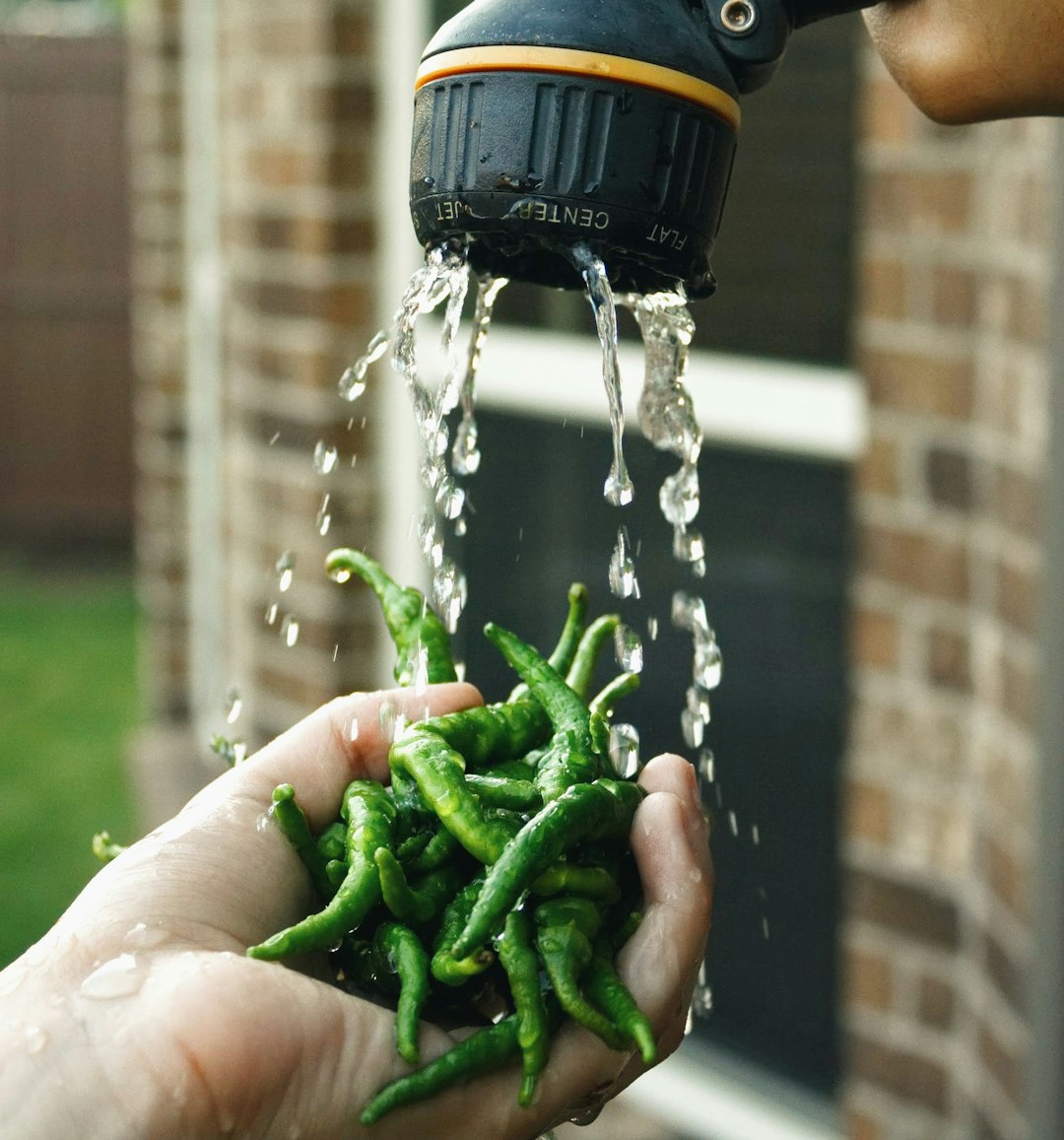
- Strong water spray: For small infestations of mites and even some larger bugs, a strong blast of water from a hose can physically dislodge them from your hibiscus. Focus on the undersides of leaves. This should be done frequently, perhaps every few days, until the population dwindles. It’s best performed in the morning to allow foliage to dry, preventing fungal issues.
- Horticultural oils: Products like Neem oil are derived from the neem tree and are excellent organic pest control options. Neem oil works in multiple ways: it acts as an anti-feedant, growth disruptor, and suffocant, particularly effective against mites and many soft-bodied insects. Mix according to label instructions and apply thoroughly, covering all leaf surfaces. Repeat applications may be necessary every 7-14 days. Ensure you use cold-pressed, 100% pure neem oil for best results.
- Insecticidal soaps: These soaps work by breaking down the waxy cuticle of soft-bodied insects, causing dehydration and death. They are contact insecticides, meaning they must directly hit the pest to be effective. Purchase a ready-to-use insecticidal soap or make your own with a mild liquid dish soap (avoid detergents with degreasers) diluted at a rate of 1-2 tablespoons per gallon of water. Spray generously, ensuring complete coverage, especially on the undersides of leaves. Repeat as needed, typically every 5-7 days.
- Beneficial insects: Harnessing nature’s pest control is a powerful strategy. Ladybugs and lacewing larvae are voracious predators of spider mites, aphids, and other small insects. You can purchase these beneficial insects online and release them onto your hibiscus. Ensure you haven’t used any broad-spectrum insecticides recently, as these will harm your beneficials. Creating a garden environment that attracts native beneficials with diverse plant choices is also a great long-term strategy.
- Cultural practices: A healthy plant is more resistant to pests. Ensure your hibiscus receives adequate water, appropriate sunlight, and balanced fertilization. Avoid over-fertilizing with nitrogen, as this can stimulate soft, lush growth that is particularly attractive to sap-sucking pests. Prune away heavily infested branches to reduce pest numbers and improve air circulation, which discourages mite populations.
Chemical interventions: when to escalate treatment
While non-chemical methods are preferred, severe infestations may warrant a more aggressive approach. When choosing chemical interventions, always prioritize targeted treatments and exercise caution to minimize harm to beneficial insects and the environment.
- Pyrethrins and pyrethroids: Pyrethrins are natural insecticides derived from chrysanthemum flowers, offering a quick knockdown of many pests. Pyrethroids are synthetic versions with similar effects but often longer residual activity. These work by disrupting the insect’s nervous system. Use these products strictly according to label directions, typically in the late evening or early morning when bees are less active, to protect pollinators. Apply directly to the pests and affected areas.
- Miticides (acaricides): If spider mites or scarlet mites are the primary problem and other methods have failed, specific miticides can be highly effective. These products are formulated to target mites specifically, often with less impact on insects. Look for products containing ingredients like abamectin or bifenthrin, and rotate between different active ingredients to prevent mites from developing resistance.
- Systemic insecticides: These are absorbed by the plant and move through its vascular system, making the entire plant toxic to feeding pests. While highly effective, systemic insecticides should be a last resort, especially for outdoor hibiscus. They can be particularly harmful to pollinators like bees and butterflies that visit the flowers. If you must use a systemic, consider granular forms applied to the soil, which can be less directly exposed to flying insects than foliar sprays, but still pose risks. Apply only when absolutely necessary and always read the label warnings regarding pollinator safety.
Regardless of the chemical product chosen, always adhere to these guidelines:
- Read the label carefully: Understand dosage, application frequency, safety precautions, and specific pests targeted.
- Wear protective gear: Gloves, eye protection, and long sleeves are essential.
- Apply at the right time: Early morning or late evening is best to avoid direct sunlight, which can burn foliage when combined with some sprays, and to minimize exposure to beneficials.
- Rotate products: If using chemical treatments regularly, rotate between products with different active ingredients to prevent pests from developing resistance.
Prevention and long-term hibiscus health
The best defense against red bugs and other pests is a strong offense, focusing on prevention and maintaining robust plant health. A healthy hibiscus is inherently more resistant to infestations and better able to recover if pests do appear.
- Regular inspection: Make it a habit to inspect your hibiscus plants frequently, at least once a week. Pay close attention to the undersides of leaves, new growth, and flower buds. Early detection is critical for managing pests before they become a widespread problem. The sooner you spot an issue, the easier it is to address with gentle methods.
- Quarantine new plants: Before introducing any new hibiscus or other plants to your garden, isolate them for a few weeks. This allows you to monitor them for any hidden pests or diseases they might bring in. If you find any issues, treat them away from your existing plants to prevent spread.
- Maintain plant vigor: Provide your hibiscus with optimal growing conditions. This includes well-draining soil, adequate sunlight (full sun to partial shade, depending on your climate), and consistent watering. Avoid both overwatering and underwatering, as stress makes plants vulnerable. Fertilize according to the plant’s needs, using a balanced fertilizer suitable for flowering plants, and avoid excessive nitrogen which can promote soft growth attractive to pests.
- Proper spacing and pruning: Ensure your hibiscus plants have enough space between them to allow for good air circulation. Dense foliage and stagnant air create ideal conditions for pests like spider mites and fungal diseases. Regular pruning not only shapes the plant but also removes weak or overcrowded branches, improving airflow and making it harder for pests to hide and multiply.
- Garden cleanliness: Remove any fallen leaves, spent flowers, and general garden debris from around the base of your hibiscus. This eliminates potential hiding spots for pests and prevents diseases. Weeds can also harbor pests, so keep your garden beds weed-free.
- Companion planting: Some plants can deter pests or attract beneficial insects. Planting marigolds, garlic, or chives near your hibiscus may help repel certain pests. Attracting ladybugs, lacewings, and hoverflies by planting dill, fennel, or other nectar-rich flowers can provide natural pest control.
By integrating these preventative measures into your routine, you create an environment where your hibiscus can flourish, naturally fending off red bugs and other common garden adversaries, ensuring a continuous display of their spectacular blooms.
Successfully ridding your hibiscus of red bugs is a journey that combines careful observation, timely action, and a commitment to plant health. As we’ve explored, the initial step always involves accurate identification of the pest, whether it’s the tiny, web-spinning spider mite or the more visible red cotton bug. Once identified, a tiered approach, beginning with non-chemical interventions like strong water sprays, horticultural oils, and insecticidal soaps, is often the most sustainable and eco-friendly path. Should these methods prove insufficient for severe infestations, targeted chemical treatments such as pyrethrins or specific miticides can be employed, always with strict adherence to safety guidelines and the principle of rotation to prevent resistance. Ultimately, prevention through regular inspection, good cultural practices, and fostering a healthy garden ecosystem forms the backbone of long-term success. By understanding these strategies and applying them consistently, you can safeguard your hibiscus, ensuring it remains a vibrant, bloom-filled centerpiece in your garden for years to come, free from the blight of these persistent red invaders.
Image by: Aaron Doucett