A beautiful wood deck offers an inviting space for relaxation, dining, and outdoor gatherings. However, this enjoyment can quickly turn to discomfort and even danger when wasps and yellow jackets decide to share your space. These stinging insects are not just a nuisance; their stings can be painful, cause allergic reactions, and create an unwelcoming atmosphere for anyone trying to enjoy the outdoors. Particularly attracted to the sheltered crevices and abundant food sources often found around a deck, they can establish nests swiftly. Understanding how to effectively identify, safely remove, and proactively prevent these unwelcome guests is crucial for reclaiming your outdoor sanctuary. This article will guide you through practical strategies to ensure your wood deck remains a safe and pleasant environment for everyone.
Identifying the buzzing culprits and their nesting habits
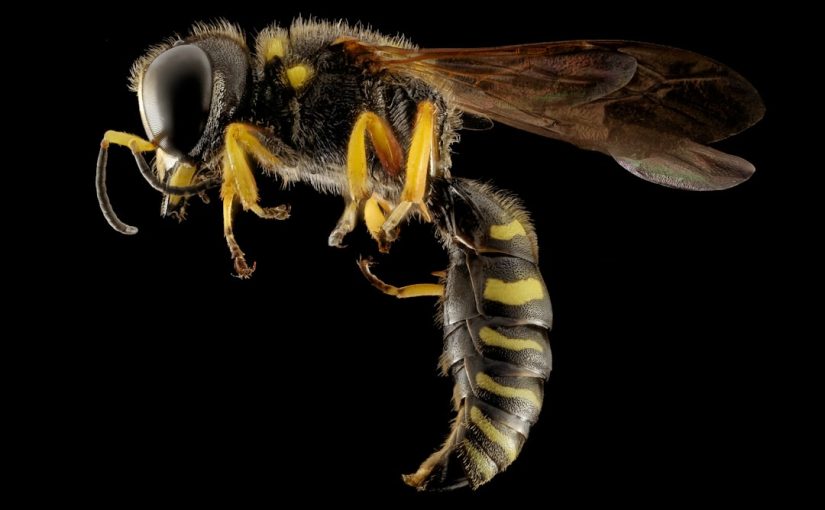
Before you can effectively tackle an infestation, it’s vital to know precisely what you’re dealing with. Wasps, hornets, and yellow jackets are often lumped together, but they have distinct characteristics and behaviors that influence the best removal strategies. Yellow jackets are arguably the most aggressive and problematic. They are smaller, about 3/8 to 5/8 inch long, with distinctive yellow and black markings, and tend to be very sleek-bodied. Their nests are often hidden in the ground, in wall voids, or under structures like a deck, making them particularly tricky to locate. They are also notorious scavengers, attracted to sugary drinks, meats, and garbage, which makes deck dining a prime target.
Paper wasps, by contrast, are typically larger (up to 1 inch), more slender, and often brownish with yellow or red markings. They construct umbrella-shaped, open-celled nests that are usually visible, often hanging from eaves, railings, or even under deck boards. While less aggressive than yellow jackets, they will sting if their nest is disturbed. Hornets, a type of large social wasp, such as the European hornet, are also significant. They build large, enclosed paper nests in hollow trees, wall voids, or dense shrubs, and can be quite aggressive, especially when their nest is threatened. Recognizing these distinctions helps in assessing the threat level and choosing the most appropriate, and safest, course of action.
The choice of nesting material and location often differs between species:
| Species | Appearance | Typical nest location | Aggression level | Primary diet |
|---|---|---|---|---|
| Yellow jacket | Small, sleek, bright yellow and black | Underground, wall voids, under deck structures | High, especially when nest is threatened or food is present | Scavengers (sweets, proteins, garbage) |
| Paper wasp | Medium, slender, brown/reddish with yellow accents | Open, umbrella-shaped; under eaves, railings, exposed areas | Moderate, will sting if nest is disturbed | Nectar, insects (pest control) |
| Hornet | Large, robust, often brown/black with yellow/white | Large, enclosed paper nests; trees, shrubs, wall voids | High, particularly defensive of the nest | Other insects (predators) |
Safe and effective direct removal strategies
Once you’ve identified your unwelcome guests and located their nest, the next step is careful and strategic removal. Safety must be your top priority. Always attempt nest removal at dawn or dusk when the insects are less active and most of the colony is inside the nest. Wear thick clothing, long sleeves, gloves, and a hat with netting or a veil to protect your face and neck. Have an escape route planned in case things go awry.
For visible paper wasp nests, a targeted aerosol insecticide spray designed for wasps and hornets is effective. These sprays often have a powerful stream that can reach nests from a distance, allowing you to stay safe. Aim directly at the nest entrance or the wasps themselves. For yellow jacket nests located in voids or underground, a dust insecticide can be more appropriate. These dusts, such as those containing carbaryl or permethrin, are blown into the nest opening and carried deeper by the wasps, effectively eradicating the colony. Diatomaceous earth, a natural alternative, can also be used as a dust for smaller nests, though it works by dehydrating the insects and can take longer.
A simple yet surprisingly effective method for smaller, exposed nests is a strong solution of dish soap and water. Mix about a quarter cup of dish soap into a spray bottle filled with water. The soap breaks down the insects’ exoskeleton, causing them to drown or suffocate. While less potent than chemical insecticides, it’s a non-toxic option for direct application. However, for larger, aggressive nests, especially those of yellow jackets or hornets, or if you have allergies, professional pest control is highly recommended. Experts have the right equipment and experience to safely and thoroughly remove colonies, minimizing risk to you and your family.
Prevention is key: Making your deck less appealing
After removal, or even before an infestation takes hold, proactive prevention is the most sustainable approach to keeping your deck wasp and yellow jacket-free. The key is to eliminate the elements that attract them in the first place: food, water, and shelter. Begin by meticulously managing food sources. Clean up spills on your deck immediately, especially sugary drinks, fruit, or meat drippings from grilling. Ensure trash cans are tightly sealed and emptied regularly, preferably moved away from the deck area. Avoid leaving pet food or uneaten snacks outdoors, as these are prime attractants for scavenging yellow jackets.
Next, focus on denying them suitable nesting sites. Regularly inspect your deck structure for any cracks, gaps, or holes in the wood, fascia, or railing posts. Seal these potential entry points with caulk or wood filler. Repair loose boards or siding where insects could hide. If you have planters on your deck, check them periodically, as ground-nesting yellow jackets sometimes choose these as homes. Keeping your surrounding landscaping tidy is also crucial; trim back overgrown bushes or trees that are close to the deck, as these can harbor nests or provide convenient access points.
Finally, consider deterrents. Commercial wasp traps can be effective in reducing populations, especially early in the season, but place them away from your main deck area to draw insects elsewhere, not directly to your gathering space. DIY traps using sugar water and a small piece of meat or fruit can also work. Some people find success with natural repellents like peppermint oil, citronella, or eucalyptus. Spraying a diluted solution of these oils around the deck perimeter or placing plants known for repellent qualities can help, though their efficacy for established infestations is limited compared to professional solutions. Consistent vigilance and maintenance are your best defense against these persistent pests.
Your wood deck should be a cherished extension of your home, not a battleground against stinging insects. By understanding the distinct characteristics of wasps, yellow jackets, and hornets, you gain the insight needed to choose the most appropriate and safest removal methods. Remember that direct removal, while sometimes necessary, should always prioritize safety through proper protective gear and strategic timing. However, the most effective long-term solution lies in proactive prevention. Eliminating food sources, sealing potential nesting sites, and maintaining a clean environment are paramount to deterring these pests from ever making your deck their home. Should you face a large, aggressive, or hard-to-reach nest, do not hesitate to enlist the help of professional pest control experts. With these strategies in mind, you can reclaim your deck, ensuring it remains a safe, enjoyable, and sting-free haven for everyone.
Image by: USGS