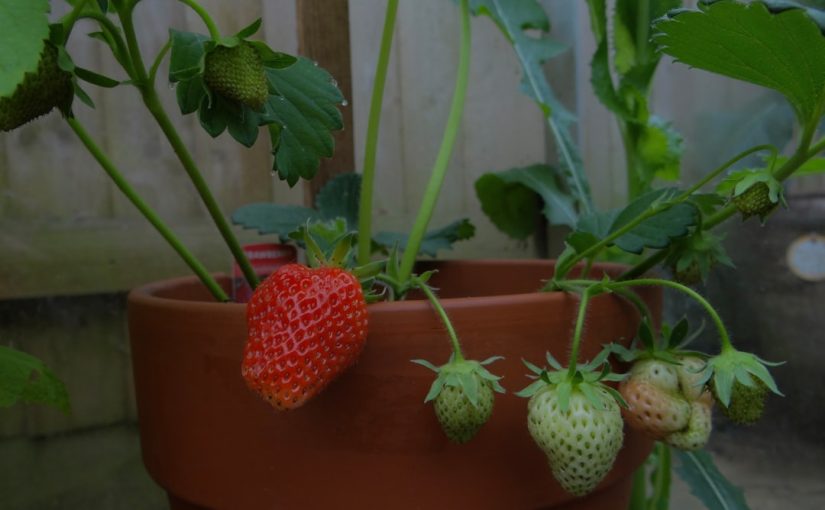
How to grow giant strawberries
There’s an undeniable thrill in plucking a perfectly ripe, colossal strawberry from your own garden. Far from the modest berries often found in grocery stores, cultivating truly giant strawberries is a rewarding endeavor that transforms a casual gardener into a dedicated horticulturist. This guide will walk you through the essential steps and advanced techniques required to achieve those impressive, plate-filling fruits. From selecting the most promising varieties to providing specialized nutrition and meticulous care, we’ll uncover the secrets to maximizing the size and flavor of your strawberry harvest. Prepare to impress your friends and delight your palate with strawberries that are not just large, but truly extraordinary.
Selecting the right varieties and preparing your site
The journey to giant strawberries begins long before planting, with careful consideration of both your chosen variety and the ground it will call home. Not all strawberries are created equal when it comes to size potential. While many excellent varieties exist, look for those specifically known for large fruit production under ideal conditions. June-bearing varieties often produce larger individual fruits in a concentrated flush, making them a prime candidate. Good examples include ‘Chandler’, ‘Allstar’, or even ‘Ozark Beauty’ if you prefer a day-neutral option known for size. Research varieties suited to your local climate for the best start.
Once you have your varieties, site preparation is paramount. Strawberries demand full sun—at least 6-8 hours daily—to photosynthesize efficiently and fuel large fruit development. The soil is equally critical. It should be rich in organic matter, well-draining, and have a slightly acidic pH between 5.5 and 6.8. Amend heavy clay soils with compost, peat moss, or coir to improve drainage and aeration. For sandy soils, adding compost will enhance water retention and nutrient availability. Consider raised beds or mounds, which provide excellent drainage and allow for easier soil customization, giving your plants the perfect foundation to thrive and produce colossal berries.
Advanced planting techniques and spacing for maximum growth
To encourage your strawberry plants to produce truly giant fruit, you must optimize their growing environment from day one. When planting, ensure the crown of the plant—the point where the leaves and roots meet—is precisely at soil level. Planting too deep can lead to rot, while too shallow can expose roots. But beyond proper depth, spacing is a critical factor often overlooked. For giant berries, give each plant ample room. Instead of the typical 12 inches, aim for 18-24 inches between plants. This wider spacing reduces competition for water, nutrients, and sunlight, allowing each plant to direct more energy into developing fewer, but significantly larger, fruits.
Another key technique is aggressive runner management. Strawberry plants naturally produce runners (stolons) to propagate new plants. While useful for expanding your patch, these runners divert significant energy away from fruit production. For giant berries, meticulously snip off all runners as soon as they appear throughout the growing season. This forces the mother plant to channel all its energy into developing stronger roots and larger fruits. Finally, apply a generous layer of organic mulch, such as straw or pine needles, around your plants. Mulch conserves soil moisture, suppresses weeds that compete for resources, and helps regulate soil temperature, all contributing to a stress-free environment conducive to growing those impressive, giant strawberries.
Strategic nutrition and watering for colossal berries
Achieving truly giant strawberries requires more than just good soil and proper spacing; it demands a precise and consistent approach to nutrition and hydration. Early in the season, after planting or as new growth emerges, feed your plants with a balanced fertilizer to establish strong vegetative growth. However, as plants approach flowering and fruiting, shift to a fertilizer higher in potassium (K) and phosphorus (P), such as a 5-10-10 or organic alternatives like bone meal and kelp meal. These nutrients are crucial for flower development and fruit size. Avoid excessive nitrogen during fruiting, as it can promote lush foliage at the expense of berries. A regular feeding schedule, perhaps every 3-4 weeks with a diluted liquid feed, can be highly beneficial.
Here is a general nutrient application guide:
| Growth Stage | Fertilizer Type (N-P-K Ratio) | Application Frequency |
|---|---|---|
| Early Growth (Spring) | Balanced (e.g., 10-10-10) | Once, at start of season |
| Pre-Flowering/Fruiting | High Phosphorus/Potassium (e.g., 5-10-10) | Every 3-4 weeks |
| Post-Harvest | Balanced or High Nitrogen (for foliage recovery) | Once, after final harvest |
Consistent watering is equally vital. Strawberries have shallow root systems and are highly susceptible to drought stress, which can lead to smaller, misshapen fruits. Aim for 1-1.5 inches of water per week, either from rainfall or irrigation. The key is deep, consistent watering, especially during the crucial fruit development stage. Drip irrigation or soaker hoses are ideal, delivering water directly to the root zone while keeping foliage dry, which helps prevent fungal diseases. Avoid overhead watering where possible. Monitor soil moisture regularly; it should feel consistently damp, but never waterlogged. Remember, stress-free plants are happy plants, and happy plants produce giant, delicious strawberries.
Pest, disease management, and specialized care for giant yields
Protecting your burgeoning giants from threats is the final frontier in cultivating extraordinary strawberries. Vigilance is your best defense against pests and diseases that can quickly diminish your harvest or even destroy your plants. Common pests include slugs, which can decimate ripening fruit overnight, aphids, which sap plant vitality, and birds, who love ripe berries as much as we do. Implement integrated pest management strategies: use organic slug baits or traps, introduce beneficial insects for aphid control, and deploy bird netting over your patch as soon as fruits begin to color. Physical barriers are often the most effective and eco-friendly solutions.
Disease prevention relies heavily on good cultural practices. Ensure proper air circulation by maintaining adequate plant spacing and removing any dead or diseased foliage promptly. Water at the base of the plants to keep leaves dry, and consider resistant varieties if fungal issues are prevalent in your area. For maximizing berry size, consider fruit thinning. While counterintuitive, selectively removing smaller or misshapen fruits early in their development allows the plant to channel all its energy into the remaining berries, resulting in fewer but significantly larger, more robust fruits. This specialized care, combined with diligent pest and disease management, ensures that your dedicated efforts culminate in a bountiful harvest of truly giant strawberries.
Conclusion
Growing giant strawberries is an incredibly rewarding gardening endeavor that transforms a basic crop into a centerpiece of your harvest. As we’ve explored, the journey involves a meticulous approach, starting with the careful selection of large-fruited varieties and the painstaking preparation of nutrient-rich, well-draining soil with the correct pH. Success hinges on advanced planting techniques, including generous spacing that minimizes competition and the vigilant removal of runners, which directs the plant’s energy squarely into fruit development. Strategic nutrition, utilizing balanced fertilizers early and potassium-rich options during fruiting, coupled with consistent deep watering, are indispensable for fueling colossal growth.
Finally, dedicated pest and disease management, employing protective measures and good cultural practices, ensures your efforts are not undone. Specialized care, such as thoughtful fruit thinning, further amplifies the size of your final yield. By embracing these detailed strategies—from variety selection and soil amendments to precise watering, feeding, and protective measures—you will be well on your way to cultivating an impressive crop of giant, luscious strawberries that are not only a treat for the palate but also a testament to your gardening skill. Patience, observation, and consistent application of these principles are your keys to unlocking truly extraordinary strawberry harvests.
Image by: Julia Fiander