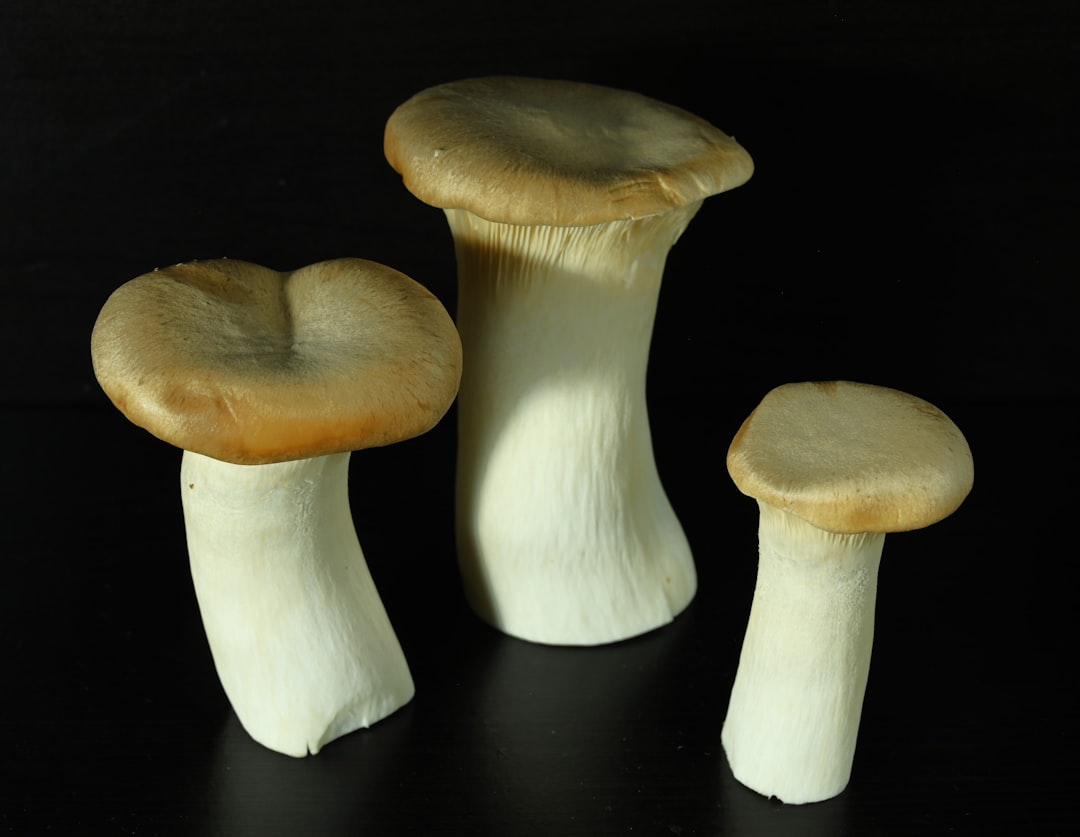
The culinary world often celebrates the subtle yet profound flavors of gourmet mushrooms, and among the most highly esteemed is the Hon-Shimeji, or brown beech mushroom. Known for its distinct nutty aroma, firm texture, and slightly sweet, umami-rich taste when cooked, this exquisite fungus elevates any dish it graces. While readily available in specialty stores, the satisfaction and freshness of homegrown produce are unparalleled. Cultivating Hon-Shimeji might seem daunting at first, given its reputation for being a bit more particular than some other edible mushrooms. However, with careful attention to detail, a sterile environment, and a touch of patience, enthusiasts can successfully grow these sought-after delicacies right at home. This guide will walk you through the entire process, from preparing your substrate to harvesting your bountiful clusters, ensuring a rewarding mycological journey.
Understanding Hon-Shimeji: A profile of the coveted brown beech mushroom
Hon-Shimeji, scientifically known as Hypsizygus tessellatus, is a striking mushroom characterized by its long, slender stems and small, round caps, typically light brown or grayish-brown. Unlike many mushrooms that grow individually, Hon-Shimeji naturally forms dense clusters, all emerging from a single base. Raw, they possess a slightly bitter taste, but cooking transforms this into a complex sweetness with a delightful crunch. This transformation is why they are rarely eaten raw and are a staple in stir-fries, soups, and sautéed dishes in Asian cuisine. Growing these mushrooms presents a unique challenge and reward. Commercially, they are cultivated on substrates primarily composed of hardwood sawdust, mimicking their natural woody habitat. Success hinges on replicating specific environmental parameters, especially sterility, temperature, and humidity, throughout their lifecycle. Understanding these basic needs is the foundational step before embarking on your cultivation adventure.
Essential tools and substrate preparation
Successful Hon-Shimeji cultivation begins with meticulous preparation, particularly concerning your substrate and equipment. Sterility is paramount to prevent contamination from competing molds and bacteria, which can quickly ruin your efforts. You will need:
- Grow bags or jars: Autoclavable polypropylene bags or wide-mouth canning jars.
- Hardwood sawdust: Oak, maple, or alder are preferred. Avoid pine or cedar.
- Nutritional supplements: Wheat bran or rice bran provides essential nitrogen.
- Mineral supplements: Gypsum (calcium sulfate) and calcium carbonate (lime) buffer pH and provide minerals.
- Pressure cooker or autoclave: Essential for sterilizing the substrate.
- Hon-Shimeji spawn: A sterile culture of mycelium, usually on grain.
- Gloves, face mask, and isopropyl alcohol: For maintaining sterility during inoculation.
- Optional but recommended: A laminar flow hood or still air box for a truly sterile workspace.
The substrate is the food source for your mushrooms. A common recipe for Hon-Shimeji involves a mix of hardwood sawdust, bran, gypsum, and calcium carbonate. Here’s a typical substrate composition:
| Ingredient | Percentage | Purpose |
|---|---|---|
| Hardwood Sawdust | 70-80% | Primary bulk, carbon source |
| Wheat/Rice Bran | 18-25% | Nitrogen and nutrient source |
| Gypsum | 1% | Calcium, sulfur, pH buffer |
| Calcium Carbonate | 1% | pH buffer, mineral source |
Mix these dry ingredients thoroughly, then add water to achieve a moisture content of approximately 60-65% (when squeezed, a few drops of water should come out). Fill your grow bags or jars loosely, leaving some headspace. Seal the bags (or cap the jars with a filter lid), then sterilize them in a pressure cooker at 15 PSI for 2-2.5 hours. Allow them to cool completely before proceeding to inoculation.
Inoculation and colonization: The delicate first steps
Once your substrate bags or jars have cooled, they are ready for inoculation—the process of introducing the Hon-Shimeji spawn. This step is the most critical for preventing contamination, so it must be performed in the cleanest environment possible. Ideally, use a laminar flow hood, which provides a sterile air stream. If unavailable, a still air box (SAB) created from a large clear storage bin can significantly reduce airborne contaminants. Before starting, thoroughly wipe down all surfaces, tools, and your hands with 70% isopropyl alcohol. Wear gloves and a face mask.
Open your spawn bag or jar and the sterilized substrate bag/jar. Transfer a small amount of spawn (typically 5-10% of the substrate volume) into each substrate container. For grain spawn, you can simply pour or spoon it in. For agar cultures, transfer a few pieces. Quickly re-seal your bags (using an impulse sealer or tying them securely) or re-cap your jars. Gently shake or tumble the bags/jars to distribute the spawn evenly throughout the substrate. This ensures quicker and more uniform colonization.
Now, place the inoculated bags/jars in an incubation area. Hon-Shimeji mycelium prefers cooler temperatures for colonization, typically between 68-75°F (20-24°C). Keep them in darkness and maintain good air circulation. Over the next 2-4 weeks, you will observe white, fluffy mycelium spreading from the spawn points, gradually engulfing the entire substrate block. Full colonization indicates a healthy, viable block, ready for the next stage. Any green, black, or unusual colored patches are signs of contamination, and unfortunately, these blocks should be discarded to prevent the spread of spores.
Fruiting conditions and harvest: Bringing your mushrooms to life
After complete colonization, your Hon-Shimeji blocks are ready to be “shocked” into fruiting. This phase mimics the environmental changes that trigger mushroom growth in nature. The key factors to adjust are temperature, humidity, fresh air exchange (FAE), and light. Transfer your colonized blocks to a fruiting chamber or an area that can provide these specific conditions:
- Temperature drop: Reduce the temperature to 50-60°F (10-15°C) for several days. This temperature shock encourages primordia (pinhead) formation.
- Humidity: Maintain very high humidity, ideally 90-95%. This can be achieved with a humidifier in a sealed chamber or by misting frequently.
- Fresh air exchange (FAE): While high humidity is critical, Hon-Shimeji also requires consistent fresh air. Stale air can lead to leggy, undeveloped mushrooms. Provide gentle, continuous FAE without drying out the blocks.
- Light: Introduce indirect light for 10-12 hours a day. This doesn’t need to be intense; ambient room light or a low-wattage LED will suffice. Light helps orient the mushrooms and encourages cap development.
Within a week or two, you should begin to see tiny pinheads forming on the surface of the block, typically where the block is exposed to air. These will rapidly grow into recognizable Hon-Shimeji clusters. Continue to maintain the fruiting conditions as the mushrooms develop. Over-misting directly on the mushrooms should be avoided as it can cause bacterial blotch; instead, mist the air and chamber walls.
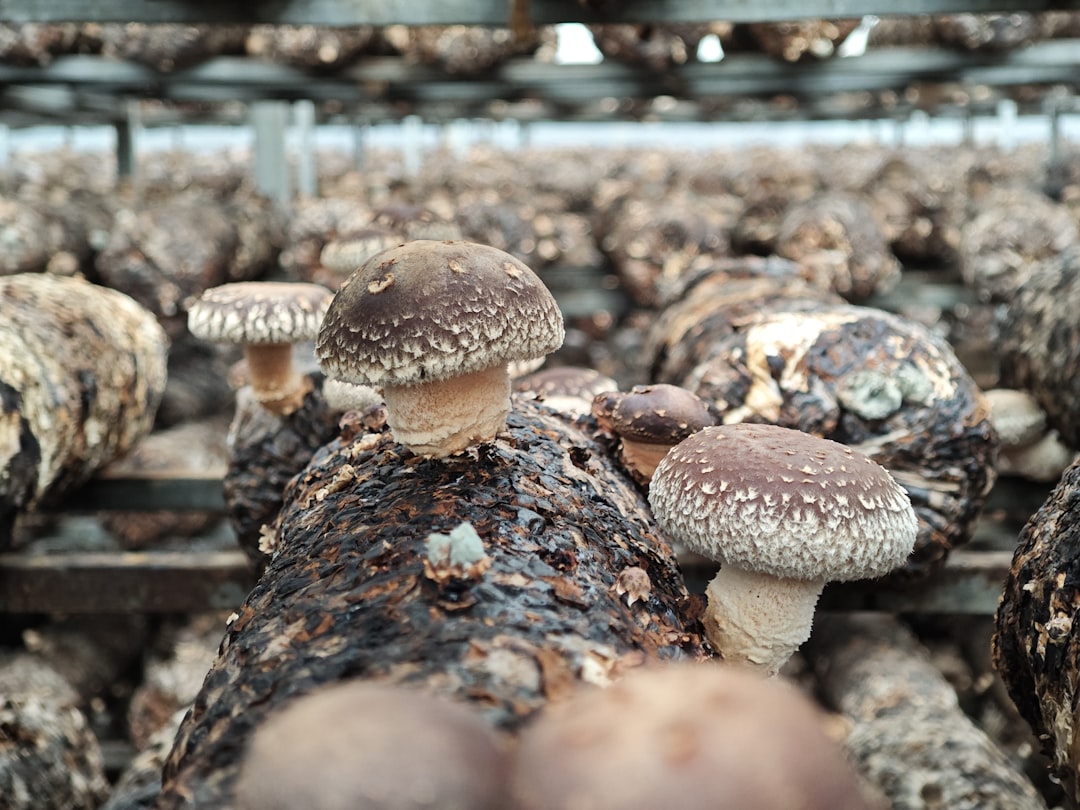
Harvest your Hon-Shimeji clusters when the caps are well-formed but before they start to flatten out excessively, usually when they are about 1-2 inches (2.5-5 cm) in diameter. Cut the entire cluster cleanly at the base, right where it meets the substrate block, using a sharp, sterile knife. After harvesting the first flush, you can often get subsequent flushes. To do so, soak the block in cold water for 4-6 hours to rehydrate it, then return it to fruiting conditions. You may get 2-3 flushes, with subsequent flushes typically yielding less than the first.
Embarking on the journey of growing Hon-Shimeji mushrooms at home is a testament to both scientific precision and a passion for culinary excellence. We’ve navigated the essential steps, from understanding the unique profile of these prized brown beech mushrooms to meticulously preparing their substrate, inoculating with care, and finally, coaxing them into a bountiful harvest. The process demands a commitment to sterility, a keen eye for environmental conditions, and a healthy dose of patience, yet the rewards are truly exceptional. Seeing those elegant clusters emerge from your efforts, knowing you’ve nurtured them from a microscopic spore to a gourmet delight, provides immense satisfaction.
While challenges like contamination can arise, persistence and adherence to the guidelines presented here significantly increase your chances of success. Each flush of Hon-Shimeji offers fresh, firm mushrooms bursting with their characteristic nutty, umami flavor, ready to transform your home cooking. So, embrace the challenge, learn from each experience, and soon you’ll be enjoying the unparalleled taste of your very own homegrown Hon-Shimeji—a truly rewarding venture for any aspiring mycologist or food enthusiast. Your kitchen and palate will undoubtedly thank you for the fresh, exquisite flavor that only home cultivation can provide.
Image by: Sukriti Shonek