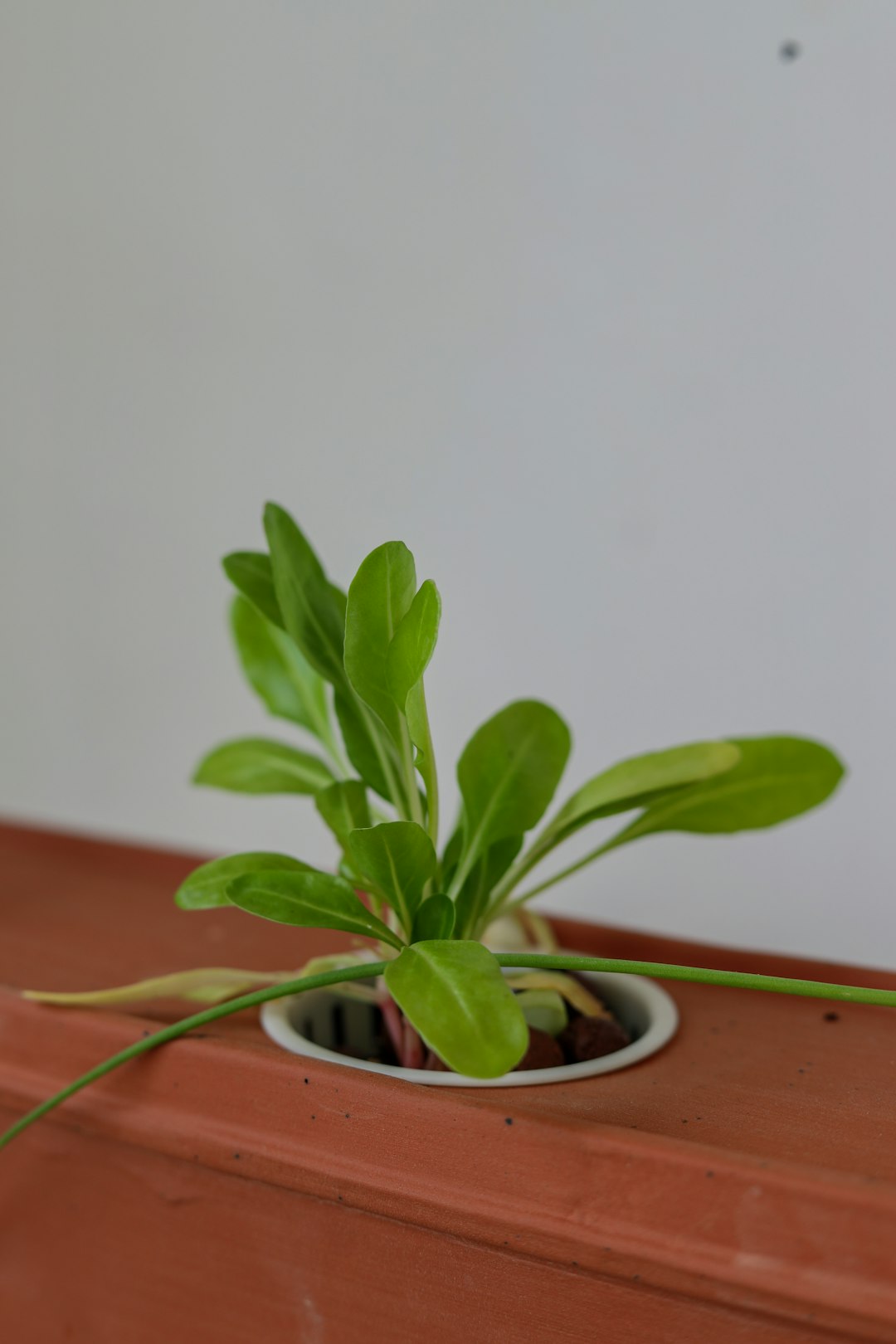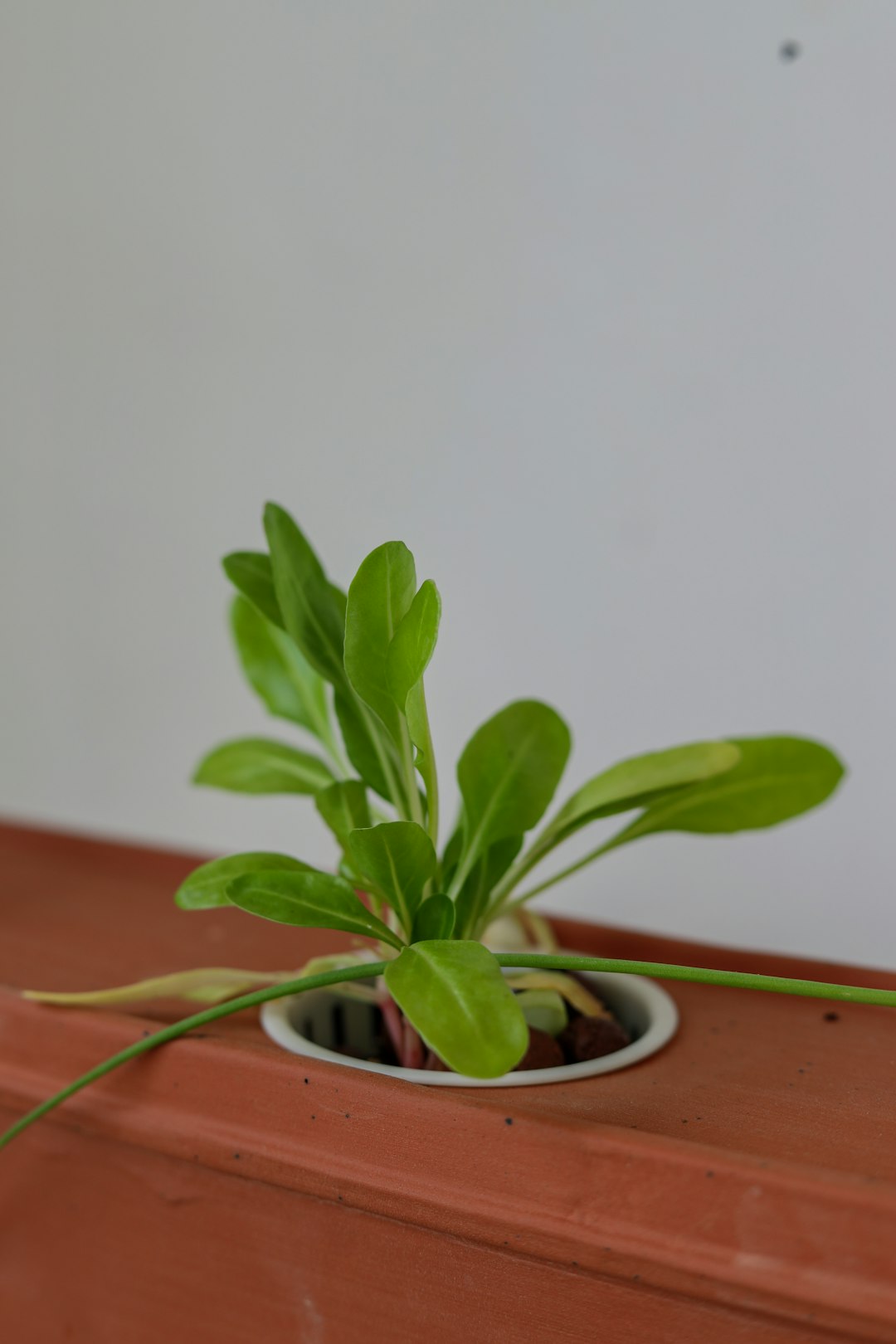
Molokhia, often referred to as Egyptian spinach, is a cherished leafy green vegetable with a rich history and a distinctive taste. Beyond its culinary appeal, particularly in Middle Eastern, African, and Asian cuisines, Molokhia is celebrated for its impressive nutritional profile, packed with vitamins, minerals, and antioxidants. For gardeners looking to cultivate something both exotic and rewarding, growing Molokhia at home can be a fulfilling experience. Its slightly mucilaginous texture when cooked and earthy flavor make it a unique addition to any garden. This comprehensive guide will walk you through the entire process, from preparing your garden space to harvesting bountiful leaves, ensuring you can successfully grow your own supply of this fascinating plant.
Understanding molokhia’s ideal environment
To successfully cultivate Molokhia, it is essential to understand its preferred growing conditions. As a warm-season crop, Molokhia thrives in environments that mimic its native subtropical and tropical regions. Providing the right climate, sunlight, and soil conditions will lay the groundwork for a prolific harvest.
- Climate requirements: Molokhia absolutely loves heat. It performs best when temperatures consistently range between 75°F (24°C) and 95°F (35°C). It is highly sensitive to frost, so planting should only commence after all danger of frost has passed and night temperatures remain consistently warm. While it can tolerate some cooler periods, prolonged cold will stunt its growth and reduce yield.
- Sunlight exposure: For optimal growth and leaf production, Molokhia requires a location that receives full sun, meaning at least 6-8 hours of direct sunlight per day. In extremely hot climates, particularly where summer temperatures consistently exceed 100°F (38°C), a spot with partial afternoon shade might be beneficial to prevent leaf scorch, though this may slightly reduce overall yield.
- Soil composition: Molokhia is not overly fussy about soil type, but it truly excels in well-draining soil that is rich in organic matter. A soil pH between 6.0 and 7.0, which is slightly acidic to neutral, is ideal. Amending your garden bed with generous amounts of compost or well-rotted manure before planting will significantly improve soil structure, fertility, and drainage, providing the perfect foundation for healthy plants.
Consider the following general guidelines for Molokhia’s environmental needs:
| Characteristic | Ideal Condition |
|---|---|
| Sunlight | Full Sun (6-8 hours direct) |
| Soil pH | 6.0 – 7.0 (Slightly acidic to Neutral) |
| Soil Type | Well-draining, rich in organic matter |
| Optimum Temperature | 75°F – 95°F (24°C – 35°C) |
| Frost Tolerance | None (very sensitive) |
Planting and propagation methods
Once you have identified the ideal location and prepared your soil, the next step is to get your Molokhia seeds or seedlings into the ground. Molokhia can be started directly from seed or transplanted after starting indoors.
- Starting from seed: Molokhia seeds have a hard outer shell, which can sometimes inhibit germination. To improve germination rates, it is highly recommended to scarify the seeds. This can be done by soaking them in warm water overnight before planting, or by gently rubbing them with sandpaper or a file to lightly abrade the seed coat. Direct sowing is best done after all danger of frost has passed and soil temperatures have warmed to at least 65°F (18°C). Plant seeds about 1/2 inch deep and 4-6 inches apart in rows that are 18-24 inches apart.
- Indoor starting: For those in regions with shorter growing seasons or who wish to get a head start, Molokhia seeds can be started indoors 4-6 weeks before the last anticipated frost. Sow seeds in individual pots or seed trays, providing warmth and consistent moisture. Once seedlings are about 4-6 inches tall and the weather outside is consistently warm, they can be hardened off and transplanted.
- Transplanting seedlings: When transplanting, handle Molokhia seedlings with care to avoid disturbing their root systems. Dig a hole slightly larger than the root ball, place the seedling, and backfill gently. Water thoroughly immediately after transplanting to help the roots establish. After your plants have grown a bit, thin them to a final spacing of 8-12 inches apart to allow ample room for growth and air circulation. Proper spacing prevents overcrowding and encourages healthier, bushier plants.
Caring for your molokhia plants
Consistent care is crucial for robust Molokhia growth and a continuous supply of tender leaves. Once established, Molokhia is relatively low-maintenance but benefits greatly from attention to watering, fertilizing, and pest management.
- Watering: Molokhia requires consistent moisture to produce lush, tender leaves. Water deeply and regularly, especially during dry spells and peak growing periods. The soil should remain consistently moist but never waterlogged, as this can lead to root rot. Early morning watering is ideal, allowing the foliage to dry before evening and reducing the risk of fungal diseases.
- Fertilizing: Molokhia is a fairly heavy feeder. Beyond the initial soil enrichment with compost, side-dressing with a balanced organic fertilizer or a liquid feed like compost tea every 3-4 weeks will support vigorous growth throughout the season. Focus on fertilizers that are slightly higher in nitrogen to promote lush leafy development.
- Weed control: Keep the area around your Molokhia plants free of weeds, especially when the plants are young. Weeds compete for valuable water and nutrients, which can significantly hinder Molokhia’s growth. Shallow cultivation or mulching can effectively suppress weeds and help retain soil moisture.
- Pest and disease management: Molokhia is generally robust and less prone to severe pest or disease issues than some other greens. However, keep an eye out for common garden pests like aphids and spider mites, particularly on the undersides of leaves. A strong spray of water can dislodge many pests, while organic solutions like neem oil or insecticidal soap can be used for more persistent infestations. Ensuring good air circulation between plants also helps to prevent fungal diseases.
Harvesting your molokhia
One of the most satisfying aspects of growing Molokhia is the harvest. With proper technique, you can enjoy a continuous supply of fresh leaves throughout the growing season.
- When to harvest: Molokhia is typically ready for its first harvest about 40-60 days after planting, when the plants are about 12-18 inches tall. For the best flavor and most tender leaves, harvest young, vigorous growth. Regular harvesting encourages the plant to produce more leaves, leading to a higher overall yield.
- Harvesting methods:
- Cut-and-come-again: This is the most common and recommended method for continuous production. Using clean scissors or pruners, snip the top 6-8 inches of the stems, leaving at least 4-6 inches of the lower stem and leaves on the plant. This encourages bushier growth and allows the plant to regenerate quickly for subsequent harvests.
- Individual leaves: Alternatively, you can pick individual large outer leaves as needed. This method is suitable if you only require a small quantity for immediate use.
- Frequency: During peak growing season, you can typically harvest Molokhia every 1-2 weeks. Consistent harvesting prevents the plants from flowering prematurely (bolting), which can make the leaves tougher and less flavorful.
- Storage: Freshly harvested Molokhia leaves are best used immediately. If you need to store them, place them unwashed in a plastic bag in the refrigerator, where they will keep for a few days. Molokhia also freezes exceptionally well after blanching or light cooking, preserving its texture and flavor for longer-term use. If you wish to save seeds for the next season, allow a few plants to mature fully and produce seed pods at the end of the season.
Growing Molokhia, or Egyptian spinach, is a rewarding endeavor that brings a unique and nutritious leafy green to your home garden. By providing the right conditions, from ample sunlight and rich, well-draining soil to consistent watering and diligent care, you can ensure a thriving crop. Remember to kickstart your seeds with scarification, plant them in warm soil, and nourish your growing plants with regular feeding. The continuous harvest method ensures a steady supply of tender leaves, perfect for a variety of culinary creations. Whether you are an experienced gardener or a curious beginner, Molokhia offers a delightful journey from seed to table, enriching your diet and expanding your gardening horizons with its distinctive flavor and healthful benefits. Embrace the process, and soon you’ll be enjoying the rich bounty of your very own Egyptian spinach.
Image by: Alexey Demidov