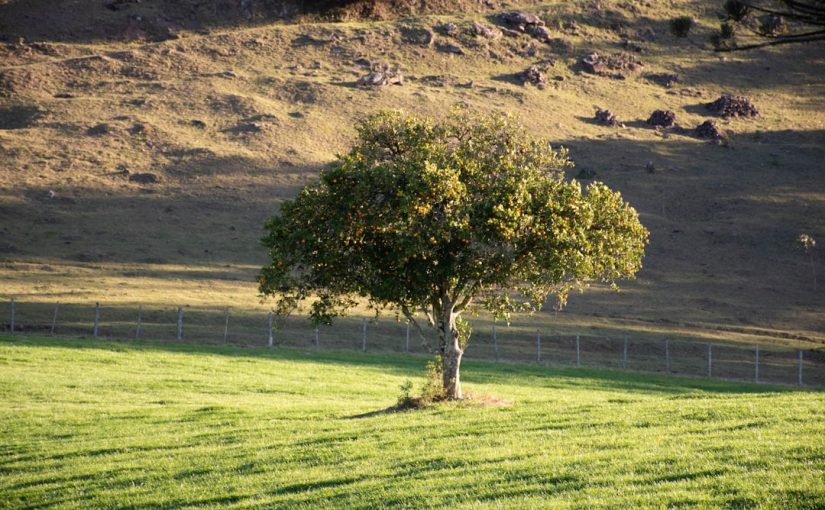
The Ailanthus altissima, commonly known as the tree of heaven, is a deceptively beautiful plant that poses a significant threat to native ecosystems and even urban infrastructure across North America and Europe. Originally introduced from China in the late 18th century, it was once prized for its rapid growth and ornamental appeal. However, its aggressive, invasive nature quickly became apparent. This tenacious species outcompetes native flora, releases toxic chemicals into the soil, and can cause considerable damage to sidewalks, foundations, and sewer lines with its powerful root system. Eradicating Ailanthus requires a strategic and persistent approach, going beyond simple cutting to truly eliminate its robust capacity for regrowth. This article will guide you through the most effective methods to successfully kill an Ailanthus tree, ensuring its permanent removal and protecting your landscape.
The formidable foe: understanding the Ailanthus altissima challenge
Before embarking on eradication, it is crucial to understand why the tree of heaven is such a formidable opponent. Its invasive success stems from several key characteristics. Ailanthus grows incredibly fast, often reaching maturity within a few years, and produces an abundance of seeds that are easily dispersed by wind. More critically, it exhibits allelopathy, meaning it releases chemicals, particularly a compound called ailanthone, into the soil. These toxins inhibit the growth of nearby native plants, giving Ailanthus a competitive edge and suppressing biodiversity. Furthermore, its root system is aggressive and prolific, capable of causing structural damage to buildings, roads, and underground utilities. When cut, Ailanthus vigorously resprouts from its stump and root system, often producing numerous new shoots, making simple mechanical removal largely ineffective. This resilience necessitates a targeted and often chemical approach for successful long-term control.
Strategic herbicide application: choosing the right method
Given Ailanthus’s persistent nature, herbicide application is generally the most effective method for its eradication. The choice of application technique depends largely on the size and number of trees you are dealing with. The primary herbicides recommended are glyphosate and triclopyr, both systemic herbicides that are absorbed by the plant and translocated to the roots, ultimately killing the entire organism. Always read and follow herbicide label instructions carefully for safety and effectiveness.
- Cut-stump treatment: This method is highly effective for larger trees (typically over 4 inches in diameter). The tree is cut down close to the ground, and a concentrated herbicide solution is immediately applied to the freshly cut surface of the stump, particularly the cambium layer (the outer ring just beneath the bark). This ensures the herbicide is absorbed and transported to the roots before the plant can seal off the cut.
- Basal bark treatment: Ideal for smaller trees and saplings (less than 6 inches in diameter), this method involves spraying an oil-soluble triclopyr ester herbicide mixture directly onto the bark around the entire circumference of the lower trunk. The herbicide penetrates the bark and travels throughout the tree. This method is often preferred during dormant seasons when sap flow is reduced.
- Hack-and-squirt (or frill) method: For larger trees with thick bark, this technique involves making downward-angled cuts (hacks or frills) around the circumference of the trunk with an axe or hatchet, penetrating the cambium. Herbicide is then immediately squirted into each cut. This method allows the herbicide to bypass the outer bark and enter the tree’s vascular system.
- Foliar spray: Best for small seedlings and very young saplings (typically less than 3 feet tall), this method involves spraying the leaves with a diluted herbicide solution. While effective for small plants, it is less suitable for larger trees due to the potential for herbicide drift and the sheer volume of spray needed.
Below is a table summarizing recommended herbicide applications:
| Application method | Tree size/type | Recommended herbicide | Concentration | Optimal timing |
|---|---|---|---|---|
| Cut-stump | >4 inches diameter | Glyphosate (50-100% solution) or Triclopyr Ester (50% solution) | Undiluted or 50% water dilution | Immediately after cutting (late summer-fall) |
| Basal bark | <6 inches diameter | Triclopyr Ester in oil | 15-25% solution | Any time, best in dormant season (late fall-winter) |
| Hack-and-squirt | >6 inches diameter | Glyphosate (50-100% solution) or Triclopyr Amine (50% solution) | Undiluted or 50% water dilution | Late summer to fall |
| Foliar spray | Small seedlings (<3 ft tall) | Glyphosate (2-5% solution) or Triclopyr Amine (2-4% solution) | Mixed with water per label | Spring to early summer (active growth) |
Precision timing and meticulous execution for lasting results
The success of Ailanthus eradication heavily relies on both precise timing and diligent application. For systemic herbicides to be most effective, they need to be applied when the tree is actively translocating nutrients down to its roots. This period typically occurs in late summer to fall (August through October in many temperate climates), just before leaf drop, when the tree is storing energy in its root system for the winter. Applying herbicides during this time ensures maximum absorption and transport to the entire root mass, preventing future resprouting.
When performing the cut-stump method, speed is critical. The herbicide must be applied to the cut surface within minutes, ideally less than 15 minutes, before the tree’s vascular system begins to seal off. For basal bark treatments, ensure the entire circumference of the trunk is thoroughly saturated to the point of runoff, from the ground line up to 12-18 inches. The hack-and-squirt method requires cuts to penetrate through the bark and into the sapwood, with each cut receiving an adequate dose of herbicide. Always wear appropriate personal protective equipment (PPE), including gloves, eye protection, and long sleeves, to prevent skin contact and inhalation. Clean equipment thoroughly after use to prevent cross-contamination. Rushing the process or neglecting these details can significantly reduce efficacy, leading to frustrating regrowth.
Beyond removal: monitoring and site restoration
Killing an Ailanthus tree is often not a one-time event; it requires ongoing vigilance. Due to its tenacious nature and ability to resprout from residual root fragments or undetected seedlings, thorough monitoring of the treated area is essential for several years following the initial treatment. Regularly inspect the site for any new shoots emerging from the ground or the stump. If new growth appears, it should be treated promptly with the appropriate method, often a targeted foliar spray for small sprouts or another basal bark application for slightly larger re-growth. Persistence is key to truly eradicating this invasive species.
Once you are confident that the Ailanthus has been successfully removed, the next crucial step is site restoration. Ailanthus-infested areas often suffer from depleted native plant populations and altered soil chemistry. Reintroducing native trees, shrubs, and groundcovers will help restore ecological balance, improve soil health, and prevent the re-establishment of Ailanthus or other invasive species. Planting diverse native vegetation also enhances biodiversity, provides habitat for local wildlife, and contributes to a healthier, more resilient landscape. This final step transforms a challenge into an opportunity for environmental stewardship.
Successfully eliminating an Ailanthus tree demands a strategic, multi-step approach that goes far beyond simple cutting. As we’ve explored, understanding its invasive characteristics, choosing the correct herbicide application method, and executing it with precise timing are all critical components. Whether opting for cut-stump, basal bark, or hack-and-squirt, the goal is to ensure the systemic herbicide reaches the tree’s extensive root system, preventing its formidable capacity for resprouting. This persistent, deliberate action, particularly in late summer to fall, maximizes the chances of complete eradication. However, the fight does not end with the initial treatment; ongoing monitoring for new growth and prompt re-treatment are vital to truly succeed. Ultimately, by combining careful planning with diligent execution and finally, site restoration using native plants, you can effectively reclaim your landscape from this aggressive invader, fostering a healthier and more biodiverse environment for the long term.
Image by: Lucas George Wendt