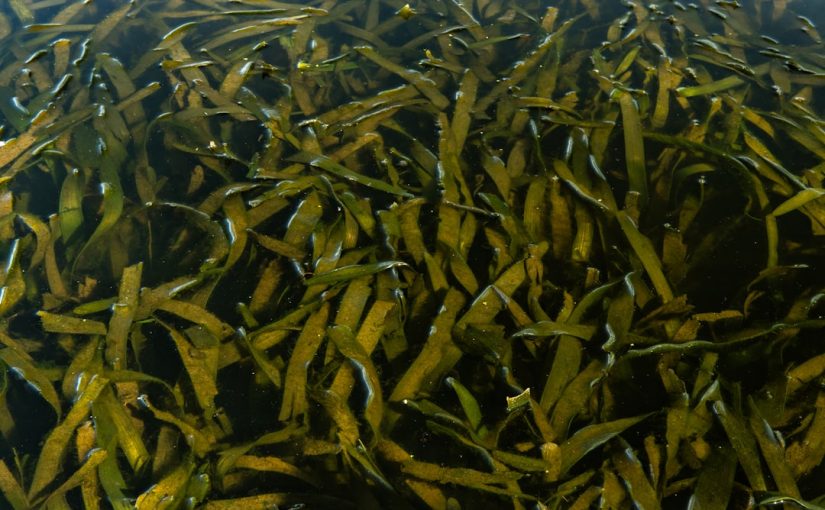
For many pond owners, the serene beauty of their aquatic feature can quickly be overshadowed by an unwelcome invasion: stubborn weeds. While a certain amount of vegetation is natural and even beneficial for pond ecosystems, unchecked growth can choke out desirable plants, reduce oxygen levels, impede water circulation, and detract from the aesthetic appeal. The challenge intensifies when fish and other aquatic life call the pond home. The goal then becomes not just weed eradication, but safe weed eradication. This article will guide you through effective, fish-friendly strategies to manage and eliminate pond weeds, ensuring your aquatic inhabitants remain healthy while your pond regains its pristine appearance.
Understanding the challenge: Why weeds thrive and why safety matters
Ponds, whether ornamental or natural, often provide an ideal environment for various types of weeds to flourish. Factors such as nutrient runoff from surrounding lawns, excessive sunlight, and shallow areas create perfect breeding grounds for both submerged and emergent vegetation. Common culprits include duckweed, watermeal, filamentous algae, cattails, and various types of milfoil. While some aquatic plants are vital for oxygenation and habitat, an overabundance can lead to oxygen depletion, especially at night or during decomposition, which is highly detrimental to fish and other aquatic organisms. Therefore, when addressing a weed problem, the primary concern must always be the well-being of your fish. Using harsh, non-selective herbicides can have devastating effects, not only by directly poisoning fish but also by causing rapid decomposition of dying plant matter, leading to a dangerous drop in dissolved oxygen. A thoughtful approach prioritizes methods that minimize ecological disruption and ensure the safety of your pond’s inhabitants.
Manual and mechanical removal methods: The direct approach
Perhaps the most straightforward and universally safe method for weed control around a pond is manual and mechanical removal. These techniques involve physically extracting the weeds without introducing any external substances to the water, making them inherently fish-friendly. For emergent weeds like cattails, rushes, or purple loosestrife growing along the pond’s edge, hand-pulling is highly effective, especially when the soil is soft. Ensure you remove as much of the root system as possible to prevent regrowth. For submerged weeds or floating varieties like duckweed and watermeal, a long-handled rake, a pond skimmer, or a specialized weed cutter can be invaluable. Regular raking can clear significant amounts of filamentous algae and submerged weeds. Floating weeds can be skimmed off the surface with a fine-mesh net. Pond vacuums, designed for maintenance, can also be used to remove smaller debris and some types of algae from the pond bottom without disturbing fish. While labor-intensive, these methods offer immediate results and are the least invasive option, providing precise control over what is removed and leaving the fish completely undisturbed.
Biological controls and natural solutions: Working with nature
Leveraging nature’s own mechanisms can provide sustainable and safe weed control around a pond. One popular biological solution for certain types of aquatic weeds is the introduction of grass carp. These sterile fish are voracious eaters of submerged vegetation, and if introduced in appropriate numbers for your pond’s size and weed load, they can effectively manage many weed problems. However, it’s crucial to consult with a local pond expert or fisheries agency before introducing grass carp, as regulations vary, and overstocking can lead to new problems once the weeds are gone. Another natural approach involves cultivating beneficial plants that outcompete undesirable weeds. Oxygenating plants like hornwort or anacharis, or floating plants like water lilies (contained within pots to prevent overgrowth), can help absorb excess nutrients that would otherwise fuel weed growth. Additionally, ensuring a healthy population of beneficial bacteria through pond treatments can help break down organic matter and reduce nutrient availability. Some pond owners also consider using ducks for certain types of floating weeds, but this comes with caveats regarding water quality impacts due to droppings and potential damage to desirable plants. The key is to create a balanced ecosystem where healthy plants thrive and invasive weeds struggle.
| Method | Fish safety | Effectiveness | Effort/Cost | Best for |
|---|---|---|---|---|
| Manual pulling/raking | Excellent (no chemicals) | Immediate, good for localized/emergent weeds | High effort, low cost (tools) | Small ponds, specific weed types, quick removal |
| Mechanical removal (cutters, vacuums) | Excellent (no chemicals) | Good for submerged weeds, surface algae | Moderate effort, moderate cost (equipment) | Larger areas of submerged or floating weeds |
| Biological control (grass carp) | Very good (if properly stocked) | Long-term, highly effective for submerged weeds | Low effort after stocking, moderate cost (fish) | Persistent submerged weed issues in larger ponds |
| Beneficial plant competition | Excellent | Preventative, gradual nutrient reduction | Low effort after planting, low cost (plants) | Nutrient management, general pond health |
Safe chemical alternatives and preventative measures: Targeted intervention
While manual and biological methods are preferred, sometimes a targeted chemical approach becomes necessary for severe infestations, especially if the weeds are difficult to access. It is absolutely critical to choose products specifically labeled as “pond-safe” or “aquatic herbicides” and to follow application instructions precisely. Products containing active ingredients like fluridone or endothall are often considered safer for fish when used correctly, but they still require careful calculation based on pond volume. Spot treatments, rather than broadcasting over the entire pond, can minimize impact. Always check the water temperature, as many aquatic herbicides are most effective within a specific range. More importantly, understanding the potential for oxygen depletion post-treatment is vital. As weeds die, their decomposition consumes oxygen. For extensive weed beds, consider treating only a third to a quarter of the pond at a time, spaced a few weeks apart, to prevent a sudden, massive oxygen crash that could harm fish. Beyond treatment, prevention is key. Reducing nutrient runoff from surrounding landscapes by creating buffer zones, using low-phosphorus fertilizers, and installing pond aerators to improve circulation can significantly deter weed growth in the long term. Regular water testing to monitor nutrient levels, especially nitrates and phosphates, also helps identify potential issues before they escalate.
Managing weeds around a pond effectively without endangering fish requires a combination of vigilance, understanding, and appropriate action. From the immediate impact of manual removal to the long-term benefits of biological controls and preventative measures, each strategy plays a role in maintaining a healthy, beautiful aquatic environment. The most critical takeaway is the paramount importance of fish safety, guiding every decision you make. Always opt for the least invasive methods first, and if chemical intervention is necessary, choose aquatic-safe products and apply them with extreme caution and precision. By consistently monitoring your pond’s health, addressing nutrient sources, and employing a multi-faceted approach, you can successfully keep invasive weeds at bay, ensuring your fish thrive in a pristine and balanced ecosystem for years to come.
Image by: Mitchell Luo