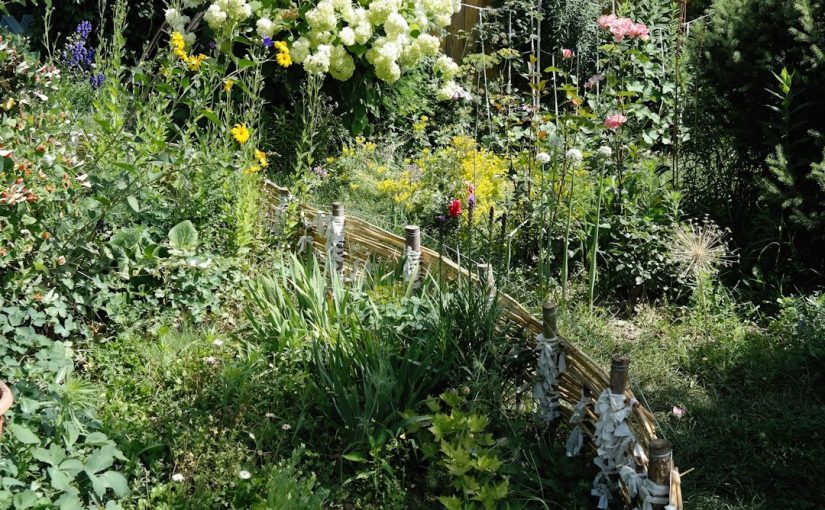
A thriving garden is a sight to behold, a testament to healthy soil and nourished plants. Among the essential macronutrients vital for robust growth, potassium (K) stands out as a true powerhouse. Often referred to as the “quality nutrient,” potassium plays a critical role in strengthening plants against disease, regulating water uptake, enhancing fruit and flower development, and improving overall stress resistance. While commercial fertilizers readily supply this element, many gardeners are turning to sustainable, cost-effective, and natural alternatives. Crafting your own high-potassium fertilizer allows for greater control over your garden’s nutrient input and reduces reliance on synthetic products. This article will guide you through the process of making effective homemade potassium fertilizers, empowering you to cultivate a flourishing, vibrant garden naturally.
The vital role of potassium in plant health
Understanding potassium’s profound impact on plant physiology is the first step toward effective fertilization. Potassium doesn’t just contribute to green leaves; it’s a fundamental driver of numerous critical functions within the plant. It acts as a regulator, activating over 80 enzymes that govern processes like photosynthesis, protein synthesis, and sugar transport. This means efficient energy production and distribution throughout the plant. Furthermore, potassium is instrumental in water regulation, controlling the opening and closing of stomata – tiny pores on leaves that manage gas exchange and transpiration. Proper water balance translates to enhanced drought tolerance and reduced wilting.
Beyond these foundational roles, potassium significantly boosts a plant’s resilience. It strengthens cell walls, making plants more resistant to pests and diseases. For fruiting and flowering plants, potassium is non-negotiable; it promotes the development of larger, more vibrant blooms and sweeter, more abundant fruits. A potassium deficiency often manifests as yellowing or browning along the leaf margins, particularly on older leaves, stunted growth, weak stems, and poor fruit or flower production. Recognizing these signs allows you to intervene promptly with potassium-rich amendments, ensuring your plants reach their full potential.
Sourcing natural potassium powerhouses
The beauty of homemade fertilizers lies in utilizing readily available organic materials from your kitchen or garden. Many everyday items are surprisingly rich in potassium, waiting to be repurposed into valuable plant nutrients. One of the most common and effective sources is banana peels. These seemingly unassuming discards are packed with potassium, along with small amounts of phosphorus and calcium, making them excellent for flowering and fruiting plants. Another potent source is wood ash, but with a crucial caveat: it must come from untreated wood only. Hardwood ash, in particular, contains a significant amount of potassium carbonate, which is highly alkaline and can quickly raise soil pH. Therefore, its use requires careful consideration and moderation. Gardeners also cherish comfrey leaves, known as a “dynamic accumulator” for their ability to draw nutrients, including potassium, from deep within the soil. These leaves decompose rapidly and release their stored nutrients. Similarly, seaweed or kelp, especially if you live near a coast, offers a broad spectrum of minerals, including a good percentage of potassium, along with valuable trace elements. Even potato peels contain a decent amount of potassium, making them another valuable addition to your composting efforts.
When collecting these materials, always ensure they are free from chemicals, pesticides, or non-organic residues that could harm your plants or soil microbiome. The purity of your source materials directly impacts the quality and safety of your homemade fertilizer.
Crafting your potassium-rich fertilizers
Once you’ve gathered your potassium-rich materials, the next step is to prepare them for optimal plant absorption. Different materials lend themselves to different preparation methods:
- Banana peel tea: A simple and effective method is to make “banana peel tea.” Chop 3-5 banana peels into small pieces and soak them in a gallon of water for 1-2 weeks. The potassium will leach into the water. Strain the liquid and dilute it with an equal amount of fresh water before applying it as a soil drench around the base of your plants. For a quicker option, finely chop peels and bury them directly in the soil near plants.
- Wood ash application: As mentioned, wood ash is highly alkaline. It should be used sparingly, perhaps a light dusting (no more than 1/4 cup per 10 square feet) around established plants, or mixed into compost piles to balance acidity. Avoid using it around acid-loving plants like blueberries or azaleas. Never use ash from treated lumber or charcoal briquettes.
- Comfrey tea: Harvest mature comfrey leaves and place them in a container, weighing them down with a rock. Add water to cover and let them steep for 2-4 weeks. The resulting liquid will be a nutrient-dense “tea.” Dilute this potent concoction at a ratio of 1:10 (1 part tea to 10 parts water) before applying it to your garden. The leftover sludge can be added to your compost.
- Seaweed/kelp tea: If you have access to fresh seaweed, rinse it thoroughly to remove salt. Chop it and soak it in water for a few weeks, similar to comfrey tea. Alternatively, you can purchase dried kelp meal and follow package instructions for making a liquid feed or incorporating it directly into the soil.
Here’s a quick overview of some common potassium sources and their preparation methods:
| Source Material | Primary Nutrient | Preparation Method | Notes on Use |
|---|---|---|---|
| Banana peels | Potassium | Tea (soak 1-2 weeks), chopped & buried, compost | Excellent for flowering/fruiting plants. Dilute tea 1:1. |
| Untreated wood ash | Potassium | Light dusting around plants, mix into compost | Highly alkaline; use sparingly to avoid pH imbalance. |
| Comfrey leaves | Potassium, Nitrogen | Tea (soak 2-4 weeks), chop & compost | Dilute tea 1:10. Great all-around nutrient boost. |
| Seaweed/Kelp | Potassium, Micronutrients | Tea (soak), mulch, compost, direct soil incorporation | Rinse fresh seaweed. Boosts overall plant health & stress resistance. |
Application techniques and considerations
Applying homemade potassium fertilizers effectively requires thoughtful consideration to ensure maximum benefit without causing harm. Dilution is often key; concentrated nutrient solutions, even natural ones, can lead to nutrient burn or imbalances. Always dilute your liquid preparations, such as banana peel or comfrey tea, to the recommended ratios. For soil drench applications, pour the diluted solution directly onto the soil around the plant’s root zone, allowing it to soak in. Foliar sprays, where diluted fertilizer is misted onto leaves, can provide a quick boost, but soil application is generally more sustained.
The frequency of application depends on several factors: the specific needs of your plants, the inherent nutrient levels of your soil, and the concentration of your homemade fertilizer. Regular soil testing is invaluable here, as it provides precise data on your soil’s existing potassium levels and pH, preventing over-application or further imbalances. Generally, applying potassium-rich fertilizers during key growth stages, such as at planting, during active vegetative growth, and especially as plants begin to flower and set fruit, yields the best results. Be mindful of the pH impact of materials like wood ash; excessive use can significantly alter soil acidity, which might be detrimental to certain plants. Observing your plants for signs of both deficiency and over-fertilization (which can manifest as stunted growth or leaf tip burn) is crucial for fine-tuning your approach.
Homemade potassium fertilizers offer a fantastic avenue for sustainable and effective gardening. By harnessing the power of everyday organic materials like banana peels, untreated wood ash, and comfrey leaves, you can provide your plants with the vital potassium they need for robust growth, prolific flowering, and abundant fruiting. We’ve explored potassium’s critical roles in plant health, identified key natural sources, and detailed various methods for crafting your own nutrient-rich concoctions, from banana peel teas to compost enrichment. Understanding proper application techniques, including dilution, frequency, and the importance of soil testing, is paramount to achieving optimal results without adverse effects. Embracing these natural methods not only fosters healthier, more resilient plants but also contributes to a more sustainable gardening practice, reducing waste and minimizing your ecological footprint. Experimentation and keen observation will empower you to create a thriving, naturally nourished garden for seasons to come, proving that sometimes, the best solutions are found right in your own backyard.
Image by: Alexey Demidov