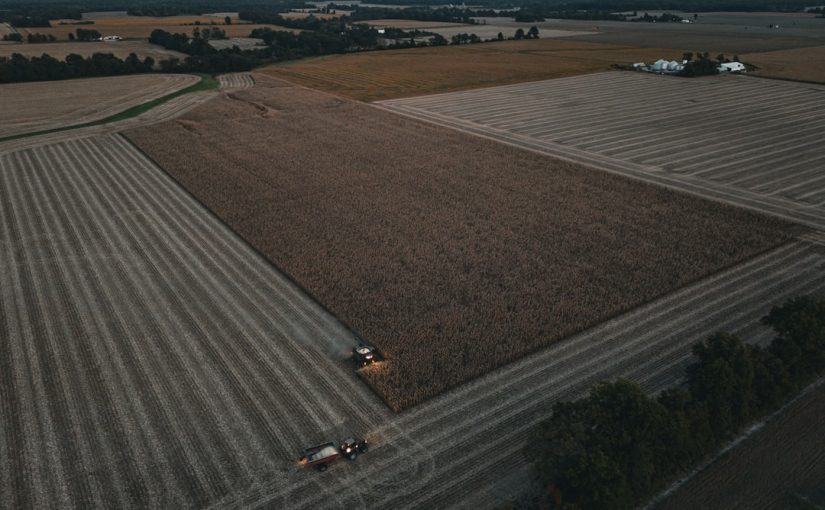
Accurately measuring a plow is far more intricate than simply noting its overall length or the number of bottoms it possesses. For farmers and agricultural professionals, understanding the precise dimensions and operational parameters of their plowing equipment is critical for optimizing field efficiency, ensuring consistent soil preparation, and ultimately maximizing crop yields. A properly measured and set plow minimizes fuel consumption, reduces wear on components, and creates a uniform seedbed, leading to better germination and growth. This article will delve into the various essential aspects of measuring a plow, from its fundamental working width to crucial clearances and the assessment of component wear, providing a comprehensive guide to mastering this often-overlooked but vital skill in modern agriculture.
Understanding plow types and their basic dimensions
Before any measurement can begin, it’s essential to identify the type of plow in question, as their designs dictate specific measurement points. The most common types include moldboard plows, which turn over a furrow slice, and chisel plows, designed for deep tillage without inverting the soil. Disc plows also exist, using large concaved discs to cut and turn the soil. While their operational principles differ, certain fundamental dimensions are relevant across the board.
The primary measurement often considered is the plow’s overall width, which indicates its span from one side to the other. However, this is largely a structural dimension rather than an operational one. More critical is the number of bottoms (for moldboard plows) or shanks (for chisel plows). This count directly relates to the implement’s capacity and potential working width. A “3-bottom plow” signifies three individual plowing units working in tandem. Each bottom comprises several key parts—the share, moldboard, landside, and frog—all of which contribute to the plowing action and thus influence how the plow should be measured and adjusted for optimal performance.
Measuring working width (cut width) per bottom and total width
The most crucial measurement for efficiency and field operations is the plow’s working width, also known as the cut width. This determines how much soil is turned or tilled with each pass. For a moldboard plow, the working width of a single bottom is typically measured from the point of the share to the edge of the moldboard’s heel or from the landside of one bottom to the landside of the adjacent one, accounting for the furrow wall. A standard individual bottom width usually ranges from 10 to 18 inches (25 to 45 cm).
To calculate the total working width of a multi-bottom plow, you multiply the individual bottom width by the number of bottoms. For example, a 4-bottom plow with a 14-inch cut per bottom will have a total theoretical working width of 56 inches. It’s important to remember that the effective working width on the field might vary slightly due to factors like overlap, plow alignment, and soil conditions. Consistent measurement ensures even plowing and prevents unplowed strips or excessive overlap, both of which waste time and fuel.
Here’s a table illustrating typical working widths for common moldboard plow configurations:
| Plow Configuration | Number of Bottoms | Typical Individual Bottom Width | Total Theoretical Working Width |
|---|---|---|---|
| Light Utility Plow | 2 | 10-12 inches (25-30 cm) | 20-24 inches (50-60 cm) |
| Standard Farm Plow | 3 | 12-16 inches (30-40 cm) | 36-48 inches (90-120 cm) |
| Larger Field Plow | 4 | 14-18 inches (35-45 cm) | 56-72 inches (140-180 cm) |
| Heavy-Duty Commercial Plow | 5-6 | 16-20 inches (40-50 cm) | 80-120 inches (200-300 cm) |
Measuring plow depth and clearance
Beyond horizontal width, the vertical dimensions of a plow are equally vital for effective soil preparation and preventing operational issues. Plowing depth is a critical measurement that dictates how deep the soil is inverted or loosened. This is typically measured from the undisturbed soil surface to the deepest point of the furrow bottom after the plow has passed. Consistent plowing depth ensures uniform aeration, moisture penetration, and nutrient distribution throughout the root zone. Adjusting the top link and lower links on a tractor’s three-point hitch, along with depth wheels on larger plows, allows for precise control over this measurement.
Two other critical vertical measurements relate to clearance. Under-beam clearance is the vertical distance from the ground to the underside of the plow’s main frame or beam. Adequate under-beam clearance is essential to prevent the accumulation of crop residues, weeds, and soil, which can clog the plow and reduce efficiency, especially in fields with high trash loads. Similarly, inter-body clearance refers to the horizontal and vertical space between individual plow bottoms. Sufficient inter-body clearance allows for the smooth flow of soil and residue between units, preventing blockages and ensuring a clean turn of the furrow slice. These clearances are usually fixed by design but become critical considerations when purchasing or modifying plows for specific field conditions.
Assessing structural dimensions and wear
While working dimensions are paramount for performance, understanding a plow’s structural dimensions and monitoring component wear are vital for its longevity and safe operation. The overall length of a plow, from its hitch point to the rearmost component, impacts maneuverability and transport. Its overall height, particularly when mounted or folded, is important for storage and navigating obstacles. These general dimensions are usually found in the manufacturer’s specifications.
More importantly, measuring the wear on critical components directly influences the plow’s ability to maintain its intended working dimensions and efficiency. The cutting edges of shares and moldboards gradually wear down, altering the effective working width and the quality of the furrow. Worn shares might reduce the effective cut width or cause the plow to pull inconsistently. Landsides, which absorb side thrust, must also be regularly inspected for wear, as excessive wear can affect the plow’s stability and cause it to drift. Measuring the thickness of these parts against their original specifications can indicate when replacement is necessary. Additionally, checking for play in pivots, pins, and bearings, though not a direct linear measurement, is a crucial “measurement” of mechanical integrity that prevents breakdowns and ensures precise operation.
Accurately measuring a plow is a multifaceted process that extends far beyond simply counting its bottoms. As we’ve explored, understanding and meticulously checking dimensions such as the individual and total working width, the crucial plowing depth, and various clearances (under-beam and inter-body) are fundamental to achieving optimal field performance. Furthermore, assessing the structural dimensions for transport and storage, and critically, monitoring the wear on components like shares, moldboards, and landsides, are essential for maintaining efficiency, safety, and the lifespan of the equipment. Neglecting these measurements can lead to uneven plowing, increased fuel consumption, premature wear, and ultimately, reduced yields. By regularly inspecting and precisely measuring your plow, you ensure it operates at its peak, contributing significantly to improved soil health, operational efficiency, and the overall success of your agricultural endeavors. This commitment to detail is what truly separates good plowing from exceptional results.
Image by: Noah Klimpel