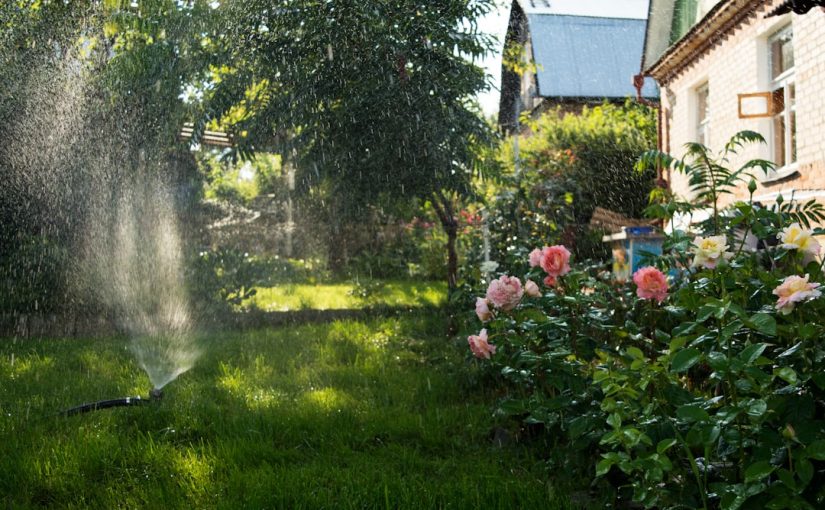
A lush, vibrant lawn or garden often hinges on effective irrigation, and for many homeowners, the pulsating sprinkler stands out as a reliable and efficient tool. Known for its distinct, rhythmic spray pattern and ability to cover significant areas, operating one effectively can seem daunting at first. Beyond simply plugging it in, understanding the nuances of its setup, adjustment, and maintenance is crucial for achieving optimal watering results. This guide will walk you through everything you need to know, from initial unboxing to fine-tuning its spray, ensuring your landscape receives precisely the hydration it needs without waste. Prepare to transform your watering routine and cultivate healthier growth with confidence.
Getting started with your pulsating sprinkler
Before you can enjoy the benefits of a well-watered garden, proper initial setup of your pulsating sprinkler is paramount. Begin by identifying the optimal location for the sprinkler. Consider the area you intend to water and choose a central point that allows for maximum coverage with minimal overspray onto sidewalks, driveways, or structures. Pulsating sprinklers are often designed to be portable, so a stable base or a secure stake is usually provided. If it’s a stake-type sprinkler, push the stake firmly into the soil, ensuring the sprinkler head remains upright and level. An uneven setup can lead to an inconsistent spray pattern.
Next, connect the sprinkler to your water source. Most pulsating sprinklers utilize a standard garden hose connection. Ensure the connection is tight to prevent leaks, which can reduce water pressure and efficiency. Hand-tighten the connection first, then use a wrench if necessary, but be careful not to overtighten and damage the plastic threads. Once connected, slowly turn on the water supply. Observe the initial spray for any immediate issues, such as a weak stream or obvious leaks, before proceeding to fine-tune the settings.
Fine-tuning the spray: arc, distance, and rotation
The true power of a pulsating sprinkler lies in its adjustable settings, allowing you to tailor its performance to your specific landscape needs. There are typically three main adjustments you’ll need to master: the spray arc, the distance of the spray, and the rotation mechanism.
Adjusting the arc: The arc determines the sector of the circle the sprinkler will water. Most pulsating sprinklers feature two small metal collars or clips near the base of the sprinkler head. By moving these collars, you can set the desired arc, from a narrow segment (e.g., 20 degrees) to a full 360-degree circle. For watering a corner or along a fence line, you’d set a specific arc. For open lawn areas, a full 360-degree rotation is often preferred. Experiment with these collars by moving them slightly and observing the sprinkler’s swing until the desired coverage area is achieved.
Setting the distance: The distance or radius of the water spray is typically controlled by a diffuser pin or screw located on the nozzle itself. Pushing this pin into the water stream will break up the water jet, shortening the spray distance and creating a finer mist. Pulling the pin out allows for a longer, more powerful stream. Some models also have a friction collar or deflector plate that can be positioned to interrupt the stream, further controlling the throw distance. Adjust this to ensure the water reaches the far edges of your intended watering zone without wasting water on unneeded areas.
Controlling the rotation: The pulsating action is governed by a small, spring-loaded arm that taps the water stream. This arm’s tension often has a small screw or lever that can be adjusted. Tightening it might make the pulses more frequent, while loosening it slows them down. This subtle adjustment can influence the evenness of water distribution over the full arc. Additionally, many pulsating sprinklers have a trip lever or a mechanism to allow for continuous 360-degree rotation when the arc collars are disengaged, or to stop rotation at a specific point for targeted watering.
Optimizing water pressure for perfect coverage
Water pressure plays a critical role in how effectively your pulsating sprinkler operates. Too little pressure, and the water won’t reach its intended distance; too much, and it might create a fine mist that evaporates quickly or leads to excessive runoff. Most residential water systems operate within a range that is suitable for these sprinklers, but understanding your specific pressure can help optimize performance.
You can check your home’s water pressure with a simple pressure gauge attached to an outdoor spigot. Ideal operating pressure for most pulsating sprinklers typically falls between 30 and 50 pounds per square inch (PSI). If your pressure is consistently below 20 PSI, your sprinkler will likely have a very limited throw distance. Conversely, if it’s consistently above 60-70 PSI, you might experience excessive misting and less efficient water delivery.
To achieve even coverage, observe the water pattern carefully. A common mistake is to set the sprinkler and leave it. Walk around the watered area after a cycle to identify any dry spots or areas receiving too much water. Adjust the arc, distance, and even the sprinkler’s position slightly to overlap coverage zones. Overlapping the coverage by about 50% from one sprinkler placement to the next often ensures a more uniform watering pattern. Consider the following general guidelines for pressure and coverage:
| Water Pressure (PSI) | Estimated Coverage Radius (feet) | Typical Use Case |
|---|---|---|
| 20-30 | 15-25 | Smaller garden beds, delicate plantings, lower efficiency |
| 30-50 | 25-40 | Standard residential lawns, most medium-sized landscapes |
| 50-70 | 40-60+ | Large open areas, athletic fields; consider a pressure reducer if consistently high |
Troubleshooting common issues and maintenance tips
Even with proper setup, pulsating sprinklers can encounter minor issues that affect their performance. Addressing these promptly ensures your system remains efficient. One of the most common problems is a clogged nozzle. Mineral deposits from hard water, dirt, or debris can obstruct the water flow. Most sprinkler heads have a small removable screen or filter at the hose connection point, which should be checked and cleaned periodically. For nozzle clogs, a small wire or a paperclip can often dislodge the obstruction, but always turn off the water first.
If the sprinkler isn’t rotating or pulsating correctly, check the tension spring for the striking arm. It might be too loose or too tight, preventing the arm from consistently tapping the water stream. Adjust the screw or lever if present. Also, ensure the rotation collars are not binding and allow for free movement. Sometimes, grit can get into the internal mechanism, requiring a thorough rinse with clean water.
Regular maintenance significantly extends the lifespan of your pulsating sprinkler. Before storing it for the winter, especially in freezing climates, drain all water from the sprinkler and hose to prevent damage from ice expansion. Store it in a clean, dry place. Periodically inspect the rubber gaskets and O-rings for cracks or wear; replacing these inexpensive parts can prevent leaks and maintain optimal pressure. A quick wipe-down after use can also prevent dirt buildup. By taking these simple steps, your pulsating sprinkler will remain a reliable workhorse in your garden for years to come.
Mastering the operation of a pulsating sprinkler is a skill that pays dividends in a greener, healthier landscape. From the moment you unbox it, careful attention to its initial setup and positioning lays the groundwork for success. The true magic, however, lies in understanding and utilizing its precise adjustments – meticulously tuning the arc, distance, and rotation to match your specific watering needs. Furthermore, recognizing the impact of water pressure and proactively addressing common issues through routine maintenance will ensure your sprinkler performs optimally year after year. By following these guidelines, you’re not just operating a device; you’re orchestrating an efficient hydration system that conserves water, promotes robust growth, and saves you time and effort. Embrace these insights, and watch your garden thrive under perfectly delivered care.
Image by: Anastasia Kasarskaya