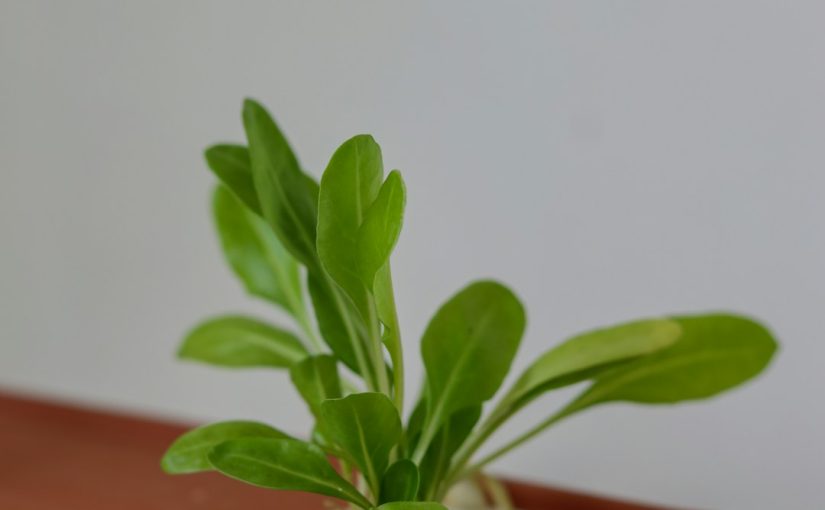
The dappled willow, known botanically as Salix integra ‘Hakuro-nishiki’, is a truly enchanting shrub that adds a burst of delicate color and fine texture to any garden. Its striking variegated foliage, featuring splashes of white, pink, and green, along with vibrant red stems in winter, makes it a highly sought-after ornamental plant. If you’ve ever admired its graceful arching branches and thought about expanding your collection or sharing its beauty with others, you’re in luck. Propagating dappled willow is surprisingly straightforward, offering a rewarding way to multiply this stunning specimen without significant cost. This guide will walk you through the simple yet effective techniques to successfully grow new dappled willow plants from cuttings, ensuring your garden can enjoy more of its unique charm.
Why propagate dappled willow and when to start
Propagating dappled willow is not only a delightful gardening project but also a highly practical one. It allows you to produce new plants identical to the parent, ensuring you replicate the specific variegation and growth habit you love. This method is incredibly cost-effective compared to purchasing new shrubs and provides an excellent opportunity to share this beautiful plant with friends and family. Beyond the economic benefits, propagating can also be a fulfilling way to deepen your understanding of plant life cycles and cultivation.
Timing is crucial for successful propagation. For dappled willow, softwood cuttings are generally the most successful. These are taken from new, flexible growth that snaps when bent, typically in late spring to early summer, after the plant has put on its initial flush of growth but before the stems become too woody. Hardwood cuttings, taken from dormant, mature stems in late fall or winter, can also be used, though they might take longer to root and have a slightly lower success rate. For beginners, aiming for softwood cuttings usually yields quicker and more reliable results, making the process more encouraging.
Gathering and preparing your cuttings
Successful propagation begins with selecting the right material from a healthy, vigorous parent plant. Look for stems that show good growth and vibrant foliage, avoiding any that appear diseased, weak, or stressed. Cleanliness is paramount to prevent disease transmission, so always use sharp, sterilized pruning shears or a knife for taking your cuttings. Sterilize your tools with rubbing alcohol or a 10% bleach solution before and after use.
To take a softwood cutting, choose a stem that is about 4-6 inches long with several sets of leaves. Make a clean cut just below a leaf node, which is the point where a leaf or branch emerges from the stem. This area contains a higher concentration of growth hormones, increasing the chances of root development. Remove the leaves from the lower 2-3 inches of the cutting, leaving at least two to four leaves at the top. This reduces moisture loss through transpiration and prevents the submerged leaves from rotting. While not strictly necessary for dappled willow, dipping the cut end into a rooting hormone powder or gel can significantly enhance the speed and success rate of root formation, especially for those new to propagation.
Rooting methods: water versus soil
Once your cuttings are prepared, you have two primary methods for encouraging root growth: rooting in water or rooting directly in a soil medium. Each has its advantages, and both can be effective for dappled willow.
The water method is often preferred by beginners due to its simplicity and the satisfaction of watching roots develop. Simply place the prepared cuttings, with the stripped end down, into a clean jar or vase filled with room-temperature water. Ensure only the leafless portion of the stem is submerged. Change the water every few days to keep it fresh and prevent bacterial growth. Place the container in a location with bright, indirect light. Within a few weeks, you should start to see small white roots emerging from the nodes.
The soil method generally offers a higher success rate for long-term establishment once roots form. Prepare small pots or a propagation tray with a well-draining, sterile potting mix, such as a blend of peat moss and perlite or sand. Make small holes in the soil with a pencil or finger. Gently insert the cut end of each cutting into a hole, ensuring at least one node is buried. Firm the soil lightly around the base of the cutting. Water thoroughly to settle the soil. To maintain high humidity, which is vital for rooting, you can cover the pots with a plastic dome, a plastic bag supported by stakes, or place them in a mini greenhouse. Keep the soil consistently moist but not waterlogged, and position the pots in bright, indirect light.
Here’s a quick comparison of the two methods:
| Feature | Water Rooting | Soil Rooting |
|---|---|---|
| Ease of Use | Very easy, visually rewarding | Moderately easy, requires medium prep |
| Root Development | Visible quickly, but roots can be fragile | Slower to observe, typically stronger roots |
| Success Rate | Good for dappled willow, but transplant shock risk is higher | Generally higher long-term success |
| Transplantability | More prone to shock when moving to soil | Less shock as roots adapt directly to soil |
Caring for your new dappled willow plants
Once your dappled willow cuttings have developed a robust root system, whether in water or soil, they are ready for the next stage of growth. If rooted in water, wait until the roots are at least an inch long before transplanting them into individual pots filled with a good quality potting mix. Be extremely gentle during this process, as water roots are more delicate than those formed in soil.
For cuttings rooted directly in soil, you’ll know they are establishing when you see new leaf growth emerging from the stem. At this point, you can gradually reduce the humidity if you’ve been using a dome or plastic bag. Continue to keep the soil consistently moist, as young willows are thirsty plants. Provide them with plenty of bright, indirect light, and avoid direct, intense sunlight, which can scorch tender new leaves.
Before moving your young dappled willows outdoors to their final planting spot, it’s essential to harden them off. This process gradually acclimates them to outdoor conditions like wind, sun, and temperature fluctuations. Over a week or two, gradually increase the time they spend outdoors in a sheltered location, bringing them in at night or during harsh weather. Once hardened off, they can be planted in a well-drained spot in your garden that receives full sun to partial shade. With proper care, these small cuttings will quickly grow into vibrant, mature dappled willow shrubs, enhancing your landscape for years to come.
Propagating dappled willow is a truly rewarding endeavor that allows you to multiply the beauty of this unique shrub throughout your garden or to share with fellow gardening enthusiasts. We’ve explored the optimal timing for taking cuttings, focusing on the higher success rate of softwood material in late spring to early summer. We covered the precise steps for gathering and preparing cuttings, emphasizing the importance of clean tools and proper technique for excising stems just below a node. Furthermore, we detailed both the straightforward water rooting method and the often more successful soil rooting technique, providing insights into their respective advantages and care requirements. Finally, understanding how to care for your new plants, from gentle transplanting to the crucial hardening-off process, ensures a smooth transition to their permanent home.
With a little patience and attention to detail, you can transform a single parent plant into a vibrant collection of dappled willows, each a testament to your gardening skill. This hands-on experience not only expands your garden but also deepens your connection to the natural world and the lifecycle of plants. So, don’t hesitate to grab your pruners, follow these steps, and enjoy the satisfaction of growing your own stunning dappled willows, bringing more of their enchanting variegated foliage and graceful form to your landscape.
Image by: Mor Shani