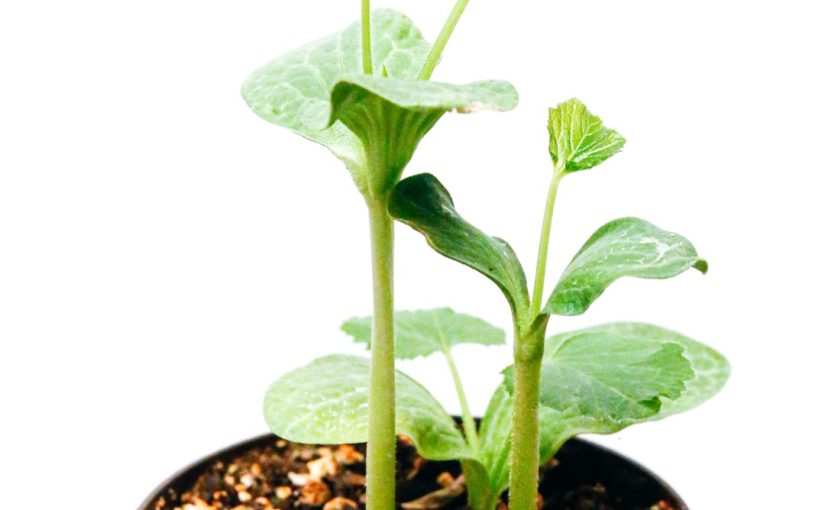
Fittonia Argyroneura, commonly known as the nerve plant or mosaic plant, captivates with its intricate vein patterns and vibrant foliage. These striking houseplants are a favorite among indoor gardeners, but what if you could easily multiply their beauty? Propagating Fittonia Argyroneura is a surprisingly straightforward process that allows you to expand your collection, share with friends, or simply revive an older plant. This article will guide you through the essential steps, from selecting the right cuttings to encouraging vigorous root growth and successful transplantation. We’ll delve into the best methods, provide practical tips for optimal success, and help you transform a single plant into a thriving display of these delightful, veiny wonders. Get ready to master the art of Fittonia propagation!
Understanding the Fittonia and choosing your cutting
Before you begin the exciting journey of propagation, it’s crucial to understand a bit about your Fittonia Argyroneura. These plants thrive in humid environments and prefer consistent moisture, which makes them quite receptive to vegetative propagation, particularly through stem cuttings. The key to successful propagation lies in selecting a healthy, vigorous “mother” plant and identifying the ideal cutting. Look for stems that are not too old or woody, nor too young and fragile. The best candidates will have several sets of leaves and show no signs of disease or pest damage. A good cutting will be firm and display the characteristic vibrant veining that makes Fittonia so appealing.
When making your selection, choose a stem segment that is approximately 2-4 inches long. It’s vital to make a clean cut just below a node – the point on the stem where leaves emerge. This node contains meristematic tissue, which is rich in cells capable of developing into roots. Using sharp, sterilized scissors or a razor blade is paramount to prevent crushing the stem and introducing pathogens. After making the cut, gently remove the lower leaves, leaving at least one or two sets of leaves at the top. This reduces the surface area for water loss through transpiration while ensuring enough foliage remains for photosynthesis to support the developing roots. Preparing your cutting correctly sets the foundation for a strong, new plant.
Methods for propagation: water versus soil
Once you have your carefully selected Fittonia cuttings, you have two primary methods for encouraging root development: water propagation or soil propagation. Both have their merits and are effective, but understanding their differences can help you choose the best approach for your comfort and specific conditions.
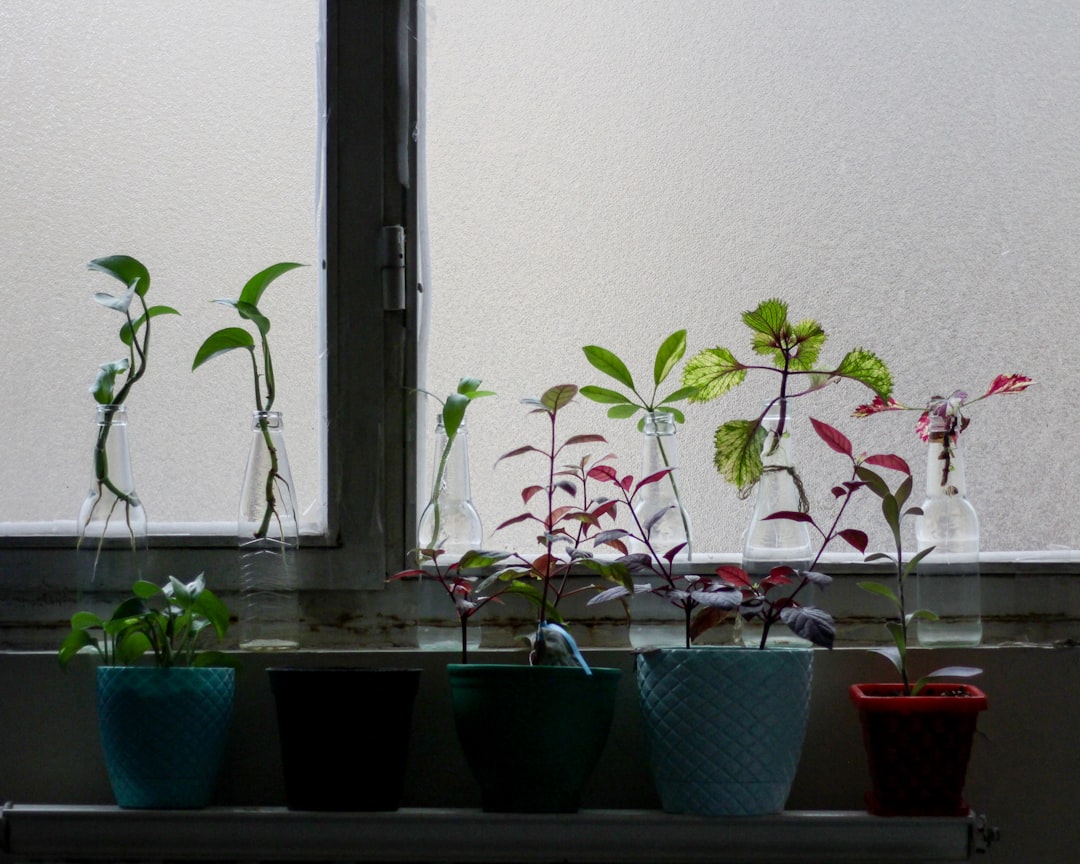
Water propagation is often favored by beginners due to its simplicity and the fascinating visual experience of watching roots develop. To propagate in water, simply place your prepared cuttings into a clean glass or jar filled with room-temperature, filtered water. Ensure that only the stem, and not the leaves, is submerged. Change the water every 2-3 days to prevent bacterial growth and replenish oxygen. Place the jar in a warm spot with bright, indirect light. Within 1-3 weeks, you should start to see small white roots emerging from the nodes. Once these roots are about 1-2 inches long, your cutting is ready for transplantation into soil.
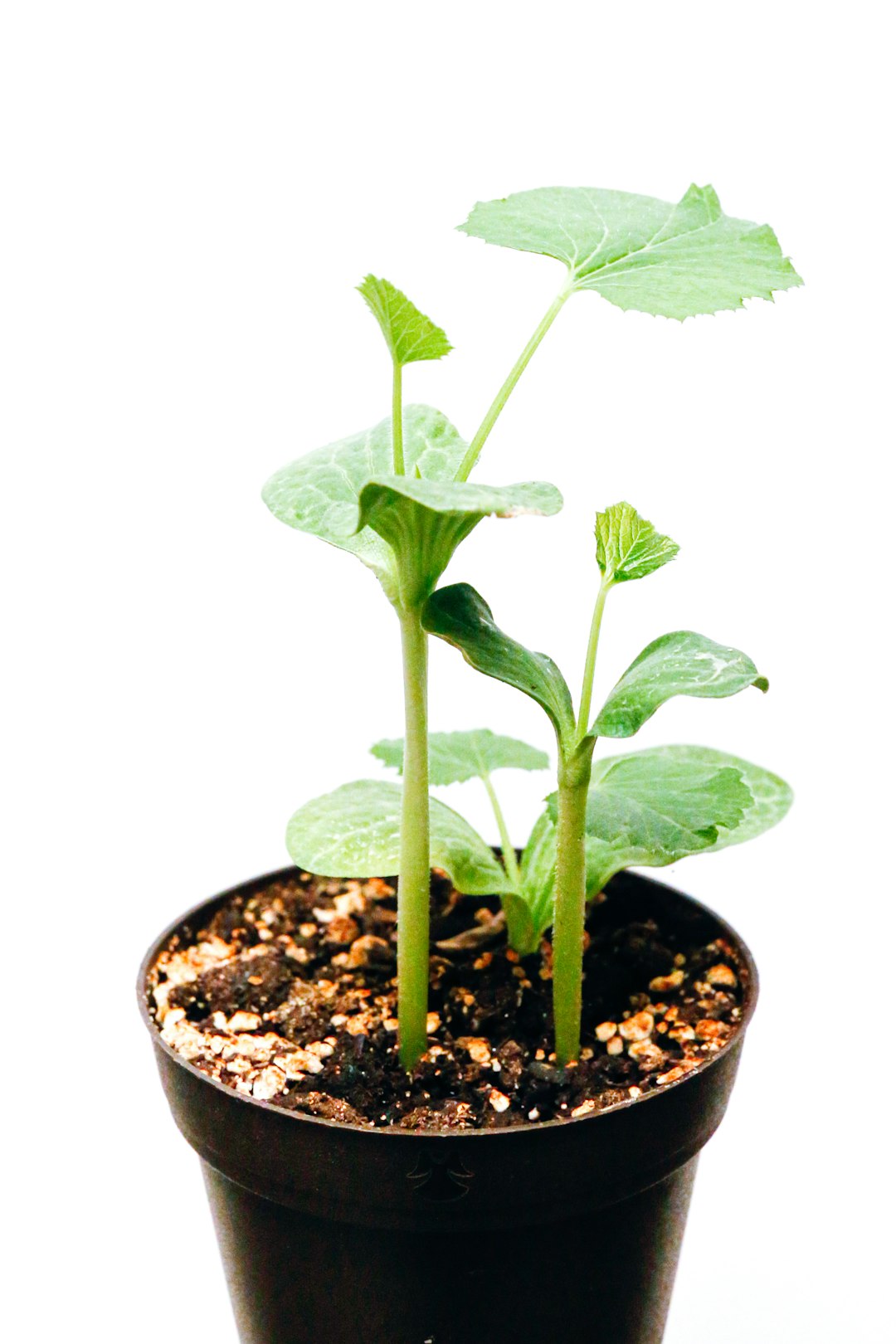
Soil propagation, while less visually immediate, can sometimes result in a more robust root system accustomed to a soil environment from the start. For this method, prepare a small pot with a well-draining, peat-based potting mix, ideal for Fittonias. Make a small hole in the center of the soil with your finger or a pencil. Dip the cut end of your Fittonia stem into rooting hormone powder (optional, but highly recommended for quicker and stronger root development). Gently insert the cutting into the prepared hole, ensuring the node is buried, and lightly firm the soil around the stem. Water thoroughly until water drains from the bottom. To create a humid microclimate crucial for Fittonia, you can cover the pot with a clear plastic bag or dome, ensuring the leaves do not touch the plastic. Place it in a warm location with indirect light and mist the soil periodically to keep it consistently moist but not waterlogged. Roots typically form within 3-4 weeks.
Creating the ideal environment for success
Regardless of whether you choose water or soil propagation, providing the right environmental conditions is paramount for your Fittonia cuttings to thrive and develop into healthy plants. Fittonia Argyroneura, being a tropical plant, craves warmth and high humidity. These two factors are arguably the most critical for successful root development and preventing your delicate cuttings from wilting.
Humidity: This is where many propagation attempts falter. Fittonia cuttings lose moisture rapidly through their leaves. High humidity reduces this transpirational stress, allowing the cutting to focus its energy on root production rather than struggling to retain water. For water-propagated cuttings, simply being in water helps, but placing the jar in a naturally humid bathroom or near a humidifier can be beneficial. For soil-propagated cuttings, creating a mini-greenhouse effect is essential. As mentioned, covering the pot with a clear plastic bag, a plastic dome, or even a cut-off plastic bottle will trap moisture. Ensure there’s still some air circulation to prevent fungal issues by poking a few small holes or lifting the cover briefly each day.
Light and Temperature: Fittonia cuttings require bright, indirect light. Direct sunlight is too intense and will scorch the tender leaves, leading to dehydration and failure. A north or east-facing window or a spot several feet from a south or west-facing window is usually ideal. Fluorescent grow lights, placed at a suitable distance, can also provide consistent illumination. Temperature is equally important; aim for a consistent range between 70-80°F (21-27°C). Avoid cold drafts or sudden temperature fluctuations, which can stress the cuttings. Consistent warmth encourages metabolic activity and accelerates root growth. Patience is also a key component in this stage; consistent conditions over time will yield the best results.
Transplanting and ongoing care for your new plants
Once your Fittonia cuttings have developed a robust root system – typically 1-2 inches long for water-propagated plants or showing new leaf growth for soil-propagated ones – it’s time for the exciting step of transplanting them into their permanent homes. This transition is crucial and requires careful handling to minimize shock and ensure continued growth. Prepare small pots (around 3-4 inches in diameter) with a fresh, well-draining potting mix. A good Fittonia mix often includes peat moss, perlite, and a bit of vermiculite to retain moisture while preventing waterlogging.
When transplanting from water, gently remove the cutting and make a small hole in the center of the soil. Carefully place the rooted cutting into the hole, ensuring the roots are spread out and not cramped. Backfill with soil, gently firming it around the base of the stem. Water immediately and thoroughly to help settle the soil and rehydrate the roots. For soil-propagated cuttings, if they were started in a communal tray, gently tease them apart to avoid damaging the delicate new roots before potting them individually. Continue to provide high humidity for the first week or two after transplanting, as the plants adjust to their new environment. A plastic dome or regular misting can aid this transition.
Ongoing care for your newly propagated Fittonias is similar to caring for mature plants. They thrive in consistently moist (but not soggy) soil, bright indirect light, and high humidity. Fertilize sparingly with a diluted liquid houseplant fertilizer during the growing season (spring and summer). Pinching back leggy growth will encourage a bushier plant, and regularly check for pests. With proper care, your propagated Fittonias will quickly grow into vibrant, full plants, bringing beauty and a touch of the tropics to your indoor space.
| Feature | Water Propagation | Soil Propagation |
|---|---|---|
| Visual Rooting | Excellent, roots are visible | Not visible until potting |
| Ease for Beginners | High, very forgiving | Moderate, requires more attention to moisture |
| Rooting Time | 1-3 weeks (roots appear) | 3-4 weeks (new leaf growth indicates rooting) |
| Humidity Need | Slightly less critical initially due to water | Very critical, often requires a dome/cover |
| Rooting Hormone | Optional, less common | Recommended for faster, stronger roots |
| Transplant Shock | Can be higher due to environment change | Generally lower, roots are soil-adapted |
| Watering Frequency | Change water every 2-3 days | Keep consistently moist, check daily |
Successfully propagating Fittonia Argyroneura is a rewarding endeavor that expands your plant collection and deepens your understanding of plant care. We’ve explored the entire journey, from carefully selecting the healthiest cuttings, ensuring they are prepared correctly, and choosing between the popular water and soil propagation methods. Key to both approaches is creating an optimal environment—one that prioritizes high humidity and consistent, warm temperatures under bright, indirect light. Finally, we covered the critical steps of transplanting your newly rooted Fittonias and outlined their ongoing care requirements to ensure they flourish. By following these detailed guidelines, you’re not just growing new plants; you’re nurturing a vibrant piece of nature and enhancing your home’s aesthetic. Embrace the process, observe your cuttings closely, and soon you’ll be enjoying a thriving display of these captivating nerve plants, perhaps even sharing them with fellow enthusiasts. Happy propagating!
Image by: Suri Huang