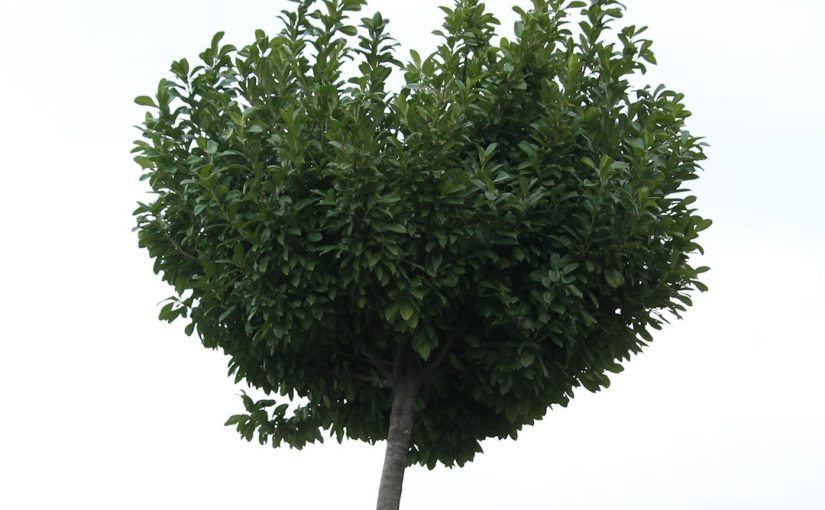
The Fraser fir, with its delightful fragrance, sturdy branches, and classic pyramidal shape, is a beloved conifer, particularly cherished as a Christmas tree. While nature often guides its growth beautifully, human intervention through thoughtful pruning can significantly enhance its health, aesthetics, and overall vitality. Understanding how to properly prune a Fraser fir is an essential skill for any gardener or tree enthusiast looking to cultivate a thriving specimen. This guide will delve into the objectives of pruning, the right tools to use, step-by-step techniques for various pruning goals, and crucial aftercare to ensure your Fraser fir remains a majestic and healthy part of your landscape for years to come.
Why prune a Fraser fir? Objectives and optimal timing
Pruning a Fraser fir is not merely about aesthetic appeal; it serves several critical purposes that contribute to the tree’s long-term health and structural integrity. One primary objective is to remove any dead, diseased, or damaged branches. This not only cleans up the tree but also prevents the spread of pathogens and pests that might target weakened wood. Another key reason is to improve the tree’s form and density. For those cultivating Fraser firs for ornamental purposes or as Christmas trees, proper pruning encourages a denser foliage, a more desirable conical shape, and a uniform taper, making the tree more aesthetically pleasing.
Additionally, pruning helps manage the tree’s size and direct its growth. By controlling the leader (the central upright stem) and lateral branches, you can influence the tree’s height and width, preventing it from overgrowing its space or becoming too sparse. It also promotes better air circulation and light penetration within the canopy, which are vital for overall tree health and can reduce the incidence of fungal diseases. Selective thinning of inner branches can achieve this, ensuring every part of the tree receives adequate sunlight and airflow.
The optimal time for pruning Fraser firs largely depends on your specific goals. For general health and structural pruning, the best window is typically in late winter or early spring, before the new growth (candles) begins to emerge. Pruning at this time allows the tree to heal quickly as it enters its active growth phase, and minimizes stress. For shaping and shearing, particularly for Christmas tree production, pruning is often done in late spring or early summer after the new growth has elongated but before it hardens off. This timing allows for precise shaping and encourages the buds to set for the following year’s growth. Avoid heavy pruning in late summer or fall, as it can stimulate new growth that may not have time to harden before winter, making it susceptible to cold damage.
Essential tools and safety precautions
Before you begin pruning your Fraser fir, ensuring you have the right tools and take proper safety measures is paramount. Using sharp, clean tools not only makes the job easier but also results in cleaner cuts that heal faster, reducing the risk of disease entry. Dull tools can tear bark and create ragged wounds, inviting infections.
Here are the essential tools you will need:
- Bypass hand pruners: These are ideal for cutting small branches up to about 3/4 inch in diameter. Their scissor-like action creates clean cuts, crucial for healthy healing. Avoid anvil pruners, which can crush stems.
- Loppers: With longer handles, loppers provide leverage for cutting branches between 3/4 inch and 1 1/2 inches thick. They are excellent for reaching slightly higher branches or those with more substantial girth.
- Pruning saw: For any branches larger than 1 1/2 inches in diameter, a pruning saw is necessary. Look for one with sharp, aggressive teeth designed for green wood. A curved blade can make cuts in tight spaces easier.
- Gloves: Heavy-duty gardening gloves will protect your hands from sticky sap, scratches, and potential splinters from the fir needles.
- Safety glasses: Always wear eye protection to shield your eyes from flying debris, needles, or unexpected branch snap-backs.
Safety should always be your top priority. If you need to prune higher branches, use a sturdy, stable ladder and ensure someone is there to spot you. Never overreach or stand on the top rung of a ladder. When using sharp tools, always cut away from your body. Keep a clear workspace to avoid tripping hazards. Furthermore, it is critical to sterilize your pruning tools before you begin and periodically throughout the pruning process, especially when moving from one tree to another or if you suspect disease. A simple solution of 70% isopropyl alcohol or a 10% bleach solution (1 part bleach to 9 parts water) works well for disinfection. This step helps prevent the unintentional spread of diseases from infected branches to healthy parts of your tree or to other trees in your garden.
A step-by-step guide to pruning techniques
Pruning a Fraser fir involves a combination of techniques, each serving a specific purpose. Understanding when and how to apply these cuts is key to achieving your desired outcome while maintaining the tree’s health.
Leader management
The leader is the single, dominant vertical stem at the top of the tree. A strong leader ensures a classic conical shape. Sometimes, a fir may develop multiple leaders (double leaders) or a damaged leader. To correct this:
- Select the strongest leader: Choose the healthiest, most vigorous upright shoot as your primary leader.
- Remove competing leaders: Carefully prune back any other competing leaders at their base, ensuring you don’t damage the chosen leader. Cut them back to a lateral branch or to the main stem if they are very close.
- Repairing a damaged leader: If the main leader is damaged or broken, you can often train a strong side branch to become the new leader. Select a vigorous upper lateral branch, gently tie it to a stake or a remnant of the old leader to encourage it to grow vertically.
Shearing for density and shape
Shearing is commonly used, especially in Christmas tree production, to encourage denser foliage and maintain a compact, uniform shape. This technique involves trimming the tips of new growth.
- Timing: Shear in late spring or early summer after the new growth (candles) has elongated but before it hardens.
- How to shear:
- Leader: Trim the leader to the desired height, typically leaving about 10-14 inches of the current year’s growth. Make a clean cut above a healthy bud.
- Laterals: Shear the side branches (laterals) to create a uniform taper, typically leaving about 2/3 to 3/4 of their current year’s growth. The goal is to make the lower branches slightly longer than the upper ones, creating the classic cone shape. Cut just above a needle or bud that points outwards to encourage outward growth.
Removing dead, diseased, or damaged wood
This type of pruning can be done at any time of year. It’s crucial for tree health.
- Identify: Look for branches that are discolored, brittle, or show signs of fungal growth or insect damage.
- Cut location: Prune dead branches back to healthy wood, just outside the branch collar (the slightly swollen area where the branch joins the trunk or a larger branch). The branch collar contains specialized cells that facilitate wound closure.
Thinning and reduction cuts
These cuts are used to manage the density of the canopy and reduce the size of branches.
- Thinning cuts: Remove entire branches back to their point of origin (the trunk or a main branch). This improves air circulation, light penetration, and can reduce the overall density of the tree.
- Reduction cuts: Shorten a branch back to a strong lateral branch or bud that is at least one-third the diameter of the branch being removed. This helps control the size of a branch and direct its growth.
Here’s a summary of cut types and their primary uses:
| Cut type | Purpose | When to use |
|---|---|---|
| Leader cut | Control height, establish single dominant leader | Late spring/early summer (for shaping), anytime (for damaged) |
| Shearing lateral tips | Increase density, maintain conical shape | Late spring/early summer after new growth elongates |
| Removal of dead/diseased/damaged branches | Improve health, prevent disease spread | Anytime, as soon as noticed |
| Thinning cut | Improve air circulation, light penetration, reduce density | Late winter/early spring |
| Reduction cut | Control branch size, direct growth | Late winter/early spring |
Post-pruning care and common mistakes
After you have meticulously pruned your Fraser fir, a little post-pruning care can go a long way in ensuring its quick recovery and continued vigor. Monitor the tree closely for a few weeks to ensure there are no signs of stress or disease development at the cut sites. While firs generally don’t require wound dressings, keeping the tree adequately watered, especially during dry spells, can help it recuperate. Healthy trees are more resilient to pests and diseases. If your tree shows signs of nutrient deficiency, a balanced, slow-release fertilizer applied according to package directions in early spring can be beneficial, but generally, established Fraser firs do not require heavy fertilization unless soil tests indicate a need.
Awareness of common pruning mistakes can save your tree from unnecessary stress or damage:
- Topping: Never “top” a Fraser fir by cutting off the main central leader without replacing it with a trained lateral. This creates an unnatural flat top, encourages weak multiple leaders, and opens the tree to disease.
- Leaving stubs: When removing branches, always cut back to the branch collar or a lateral branch. Leaving stubs provides entry points for pests and diseases and hinders proper wound closure.
- Removing too much foliage: Avoid removing more than 25-30% of the tree’s total foliage in a single pruning session. Excessive pruning can severely stress the tree and inhibit its ability to photosynthesize effectively.
- Pruning at the wrong time: As discussed, heavy pruning in late summer or fall can stimulate tender new growth that won’t harden off before winter, leading to cold damage.
- Using dull or dirty tools: Dull tools create ragged cuts that are slow to heal and invite disease. Dirty tools can spread pathogens from one part of the tree to another or from an infected tree to a healthy one. Always keep your tools sharp and sterile.
- Ignoring the tree’s natural form: While pruning allows for shaping, try to work with the tree’s natural pyramidal tendency rather than forcing an unnatural shape. This promotes healthier growth and a more resilient tree.
By understanding these pitfalls and committing to proper aftercare, you can ensure your Fraser fir thrives and recovers gracefully from pruning, rewarding you with its beauty for many seasons.
Conclusion
Mastering the art of pruning a Fraser fir is an investment in its long-term health, aesthetic appeal, and structural integrity. We have explored the crucial reasons behind pruning, from encouraging dense foliage and a classic conical shape to eliminating dead or diseased wood and promoting overall vigor. Understanding the optimal timing – typically late winter to early summer depending on the goal – is paramount to minimizing stress and maximizing the tree’s recovery. Furthermore, equipping yourself with sharp, clean tools like bypass pruners, loppers, and a pruning saw, while diligently adhering to safety protocols, ensures both your well-being and the tree’s health. By carefully applying techniques such as leader management, precise shearing, and strategic thinning cuts, you can guide your Fraser fir to achieve its full potential. Avoiding common missteps, like topping or excessive foliage removal, and providing attentive post-pruning care will allow your tree to flourish. Ultimately, thoughtful and informed pruning transforms a good Fraser fir into a magnificent specimen, enhancing its beauty and resilience in your landscape for years to come.
Image by: Emre Coskun