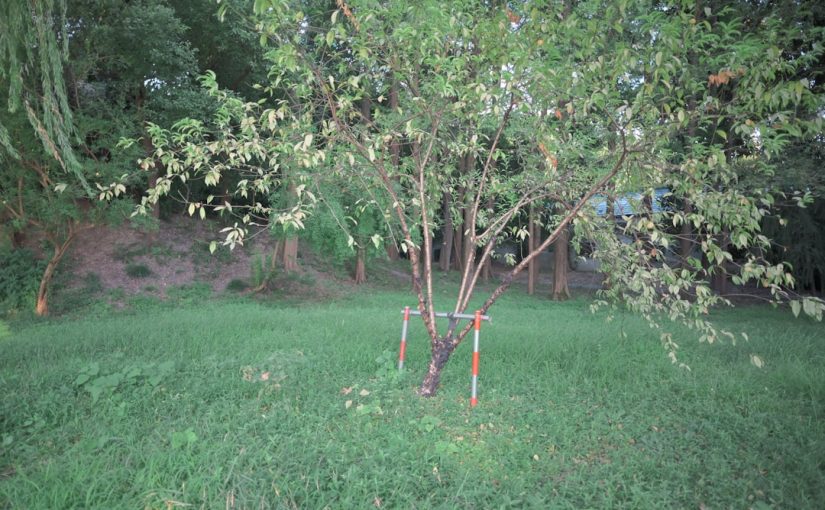
The weeping pea tree, scientifically known as Caragana arborescens ‘Pendula’, is a beloved ornamental specimen admired for its graceful, cascading branches and delicate yellow flowers. Its unique weeping habit creates a stunning focal point in any garden, resembling a living fountain of foliage. However, to maintain its distinctive form, ensure its health, and promote abundant blooms, proper pruning is not just recommended, but essential. Without thoughtful intervention, its elegant drapery can become a tangled mess, touching the ground and inviting disease. This guide will walk you through the art and science of pruning your weeping pea tree, transforming a potentially daunting task into a rewarding exercise that ensures its enduring beauty and vitality for years to come.
Understanding your weeping pea tree and why pruning matters
The weeping pea tree, often grafted onto a standard rootstock to achieve its characteristic ‘weeping’ form, is a hardy and drought-tolerant deciduous shrub or small tree. Its branches grow upwards briefly before arching gracefully downwards, creating a distinctive dome or umbrella shape. The beauty of this tree lies in its unique silhouette and the cheerful yellow, pea-like flowers that emerge in spring.
Pruning, far from being an act of destruction, is a vital practice for several reasons. Firstly, it’s crucial for the tree’s overall health. Removing dead, damaged, or diseased branches prevents the spread of pathogens and pests, ensuring the plant’s energy is directed towards healthy growth. Secondly, pruning maintains the tree’s elegant aesthetic. The weeping pea’s branches naturally grow downwards, and if left unchecked, they can touch the ground, becoming a tripping hazard and making the tree susceptible to fungal issues due to poor air circulation. Regular trimming helps to “lift the skirt,” preserving its iconic cascading shape. Thirdly, strategic pruning encourages vigorous growth and better flowering. By thinning out crowded areas, you improve light penetration and air flow throughout the canopy, which are essential for robust health and a prolific display of its charming yellow blooms each spring. Finally, pruning can manage the tree’s size, keeping it proportionate to its garden setting and preventing it from outgrowing its space.
Tools and essential pruning techniques
Before you begin, gathering the right tools and understanding basic pruning principles will set you up for success. Using clean, sharp tools is paramount; dull blades can tear branches, leaving ragged wounds that are slow to heal and invite disease.
Here are the essential tools you’ll need:
- Hand pruners (bypass type): For small branches, up to 3/4 inch in diameter. Ensure they are sharp and clean.
- Loppers: For thicker branches, typically up to 1.5-2 inches. Their long handles provide leverage.
- Pruning saw: For branches larger than loppers can handle. Look for one with a curved blade for easier cutting.
Always sanitize your tools before and after pruning, especially if you’re working on multiple trees or if you suspect disease. A wipe-down with rubbing alcohol or a 10% bleach solution (1 part bleach to 9 parts water) will suffice. This prevents the transfer of diseases between plants.
When making a cut, aim for precision. The “collar” cut is fundamental: this involves cutting a branch just outside the branch collar, which is the slightly swollen area at the base of the branch where it connects to the main stem or another branch. This collar contains specialized cells that aid in wound healing. Avoid flush cuts (too close to the stem) or stub cuts (leaving too much of a stub), as these heal poorly.
Key pruning techniques for a weeping pea tree include:
- Thinning: Removing entire branches back to their origin to open up the canopy and improve air circulation.
- Heading back: Shortening a branch to an outward-facing bud or side branch. This encourages bushier growth in that direction.
- Lifting: Removing lower branches to raise the canopy’s height from the ground. For weeping trees, this means preventing branches from dragging.
The goal is always to enhance the tree’s natural weeping form while maintaining its health and vigor.
Step-by-step guide to pruning your weeping pea tree
Pruning a weeping pea tree is best approached systematically, ideally during its dormant season from late winter to early spring, just before new growth begins. This timing minimizes stress on the tree and allows for clear visibility of its structure.
Follow these steps for a thorough pruning:
- Initial assessment and removal of the 3 Ds: Begin by carefully inspecting your tree. Identify and remove any branches that are dead, damaged (broken, cracked), or diseased (discolored, cankered). Cut these back to healthy wood, ensuring you make clean cuts just outside the branch collar. These cuts are crucial for the tree’s health, regardless of shape.
- Address suckers from the rootstock: Weeping pea trees are often grafted. Inspect the trunk below the graft union for any upright shoots, known as suckers. These are vigorous growths from the rootstock and will detract from the desired weeping form, often outcompeting the grafted portion. Cut these off cleanly at their point of origin on the trunk or even below ground level if possible.
- Thinning the canopy for health and light: Look for branches that are crossing, rubbing, or growing inwards into the canopy. These can create friction wounds, harbor pests, and impede air circulation. Selectively thin these out, choosing the weaker or less well-placed branch to remove. The aim is to create an open structure that allows light and air to penetrate throughout the entire weeping canopy.
- Lifting the skirt and maintaining weeping form: This is perhaps the most defining step for a weeping pea tree. Over time, the cascading branches will reach the ground. To prevent them from dragging, becoming matted, or developing fungal issues, you need to “lift the skirt.” Prune these lowest branches back to a point where they are about 6-12 inches above the ground. You can either shorten individual branches back to an upward or outward-facing lateral bud, or remove entire branches that are growing too low and causing congestion. The goal is to maintain that elegant, suspended weeping effect.
- Shaping for aesthetic appeal: Step back frequently to assess the overall shape. Aim for a balanced, symmetrical dome or umbrella. Trim any errant branches that are spoiling the desired silhouette. Avoid making drastic cuts that could leave large gaps. Instead, make smaller, more thoughtful cuts to guide the tree’s form. This shaping is less about aggressive removal and more about refinement.
Remember, less is often more. It’s better to make several small, judicious cuts than one large, irreversible mistake. Your goal is to work with the tree’s natural habit, enhancing its beauty rather than fighting against it.
Seasonal considerations and common mistakes
Understanding the best timing for pruning your weeping pea tree, alongside recognizing common pitfalls, is crucial for its long-term health and aesthetic appeal.
The optimal time for significant pruning of a weeping pea tree is during its dormant season. This typically falls from late winter to early spring, just before the buds begin to swell and break. Pruning during dormancy offers several advantages:
- The tree’s energy reserves are stored in its roots, making it less stressful to remove branches.
- There are no leaves to obstruct your view, allowing for a clear assessment of the tree’s structure.
- The risk of disease transmission is generally lower, and the tree has an entire growing season ahead to recover.
While dormant pruning is for structural and health-related cuts, light shaping and removal of newly emergent suckers can be done throughout the growing season. However, avoid heavy pruning in late summer or fall, as this can stimulate new growth that won’t harden off before winter, making it vulnerable to frost damage.
Here’s a quick overview of pruning activities:
| Season | Recommended Pruning Activities | Purpose |
|---|---|---|
| Late Winter / Early Spring (Dormant) | Remove dead, diseased, damaged branches; address suckers; structural shaping; lift skirt; thin canopy. | Major health, form, and vigor enhancement. |
| Late Spring / Early Summer (After Flowering) | Light shaping; remove spent flowers/seed pods (optional); trim errant growth. | Maintain desired shape; encourage energy towards foliage/root growth. |
| Mid to Late Summer | Remove suckers promptly; minimal corrective pruning. | Control unwanted growth; avoid stimulating new growth before winter. |
| Fall | Avoid significant pruning. | Prevents stimulating tender new growth vulnerable to frost. |
Common mistakes to avoid:
- Over-pruning: Removing too much of the canopy in a single season can stress the tree, leading to weak growth or even death. Aim to remove no more than 25-30% of the living canopy in a year.
- Incorrect cuts: Flush cuts (too close) or stub cuts (too far) impede proper wound closure. Always cut just outside the branch collar.
- Topping: Severely cutting back a tree’s main branches to stubs. This is highly detrimental, creating weak, vigorous upright growth (water sprouts) and inviting decay.
- Ignoring suckers: Allowing suckers from the rootstock to grow unchecked can eventually overtake and kill the desired weeping scion.
- Pruning at the wrong time: Heavy pruning outside the dormant season can stress the tree, reduce flowering, and increase susceptibility to pests and diseases.
By following these guidelines, you’ll ensure your weeping pea tree remains a healthy, captivating feature in your garden for many years.
Pruning a weeping pea tree is more than just cutting branches; it’s a thoughtful process that ensures the health, vitality, and iconic beauty of this distinctive ornamental. We’ve explored the fundamental reasons behind pruning, from promoting robust growth and abundant blooms to maintaining its elegant, cascading form and preventing disease. By understanding the optimal timing – primarily late winter to early spring – and employing the right tools and techniques, such as making clean cuts outside the branch collar, you empower your tree to thrive.
Remember to systematically address the “three Ds” – dead, damaged, and diseased branches – and diligently remove suckers originating from the rootstock. Thinning the canopy for improved air circulation and meticulously “lifting the skirt” to keep branches off the ground are crucial steps in preserving its graceful silhouette. Avoiding common missteps like over-pruning or improper cuts will safeguard your tree’s well-being. With consistent, informed care, your weeping pea tree will continue to be a stunning, low-maintenance focal point, enriching your landscape with its unique charm year after year.
Image by: Su