How to prune Caragana shrubs: a comprehensive guide for vibrant growth
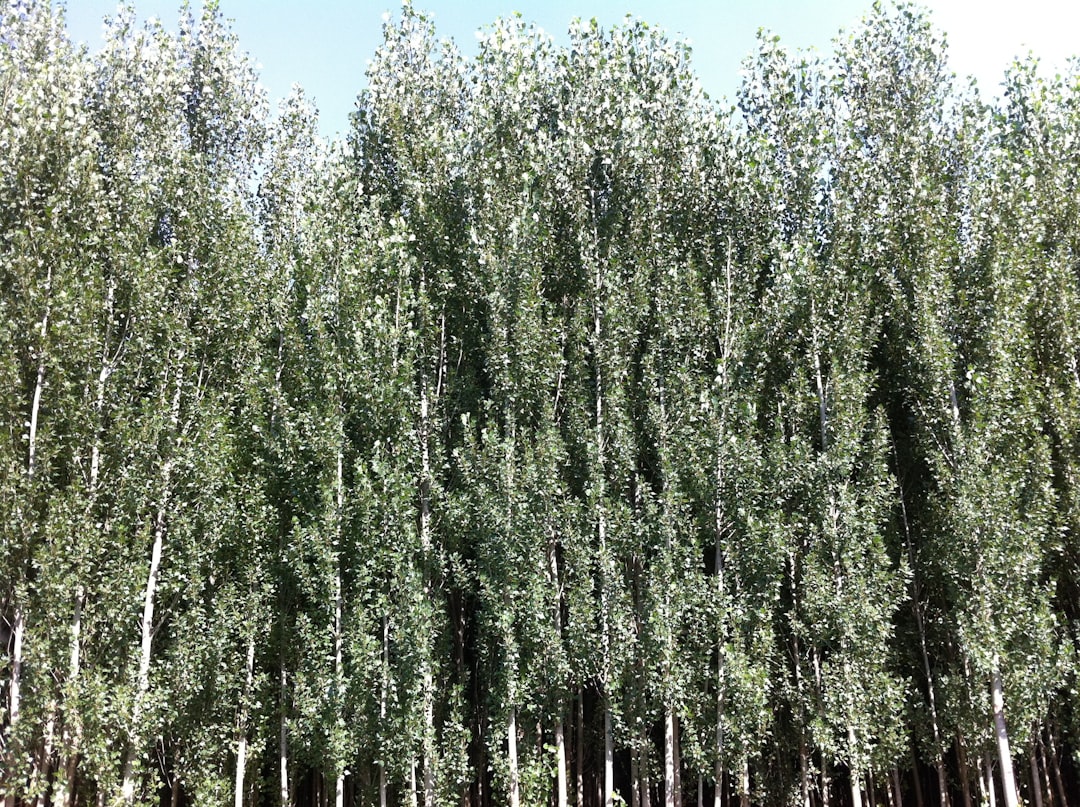
The Caragana shrub, particularly the Siberian Peashrub (Caragana arborescens), is a remarkably resilient and versatile plant cherished for its hardiness, rapid growth, and bright yellow spring blossoms. Often utilized in challenging landscapes as a hedge, windbreak, or ornamental specimen, its ability to thrive in poor soils and harsh climates makes it a popular choice. However, like any vigorous woody plant, Caragana benefits immensely from regular and proper pruning. Without it, these shrubs can quickly become overgrown, dense, and lose their aesthetic appeal, potentially harboring deadwood and reducing air circulation. This guide will walk you through the essential techniques and timing for pruning your Caragana shrubs, ensuring they remain healthy, shapely, and a vibrant addition to your garden for years to come.
Understanding Caragana’s growth and pruning objectives
Before you even pick up your pruning shears, it is crucial to understand the natural growth habits of your Caragana shrub. Caragana arborescens is known for its fast growth rate, often putting on several feet of new growth annually. It tends to grow somewhat upright and can become quite dense, leading to reduced light penetration and air circulation within the canopy. A significant characteristic is its tendency to produce numerous suckers from the base, which, if left unchecked, can lead to a thicket-like appearance and divert energy from the main plant. Knowing this, your pruning objectives will typically fall into a few categories:
- Maintenance pruning: This involves removing dead, damaged, or diseased branches, as well as thinning out crossing or rubbing branches to improve the shrub’s overall health and structure.
- Size control and shaping: Keeping the shrub within desired dimensions and maintaining a pleasing aesthetic, especially for hedges or formal plantings.
- Rejuvenation pruning: For older, overgrown, or neglected shrubs that have become leggy and less vigorous, encouraging new, healthy growth from the base.
- Sucker removal: A continuous task to prevent the shrub from becoming too dense and spreading aggressively.
Aligning your pruning efforts with these goals will ensure your Caragana remains an asset rather than a burden in your landscape.
Timing your pruning for optimal results
The timing of your pruning dramatically influences its impact on the Caragana shrub. Different types of pruning are best performed at specific times of the year to minimize stress on the plant and achieve desired outcomes. Generally, the dormant season is the most suitable time for major structural pruning, while lighter shaping can occur at other times.
Optimal pruning schedule for Caragana
| Pruning Type | Ideal Timing | Primary Objective | Notes |
|---|---|---|---|
| Major structural pruning (thinning, size reduction) | Late winter to early spring (before bud break) | Shape, size control, remove deadwood, promote vigorous growth | Plant is dormant, less stress, easy to see branch structure. |
| Light shaping / hedge trimming | After flowering (late spring/early summer) | Maintain desired shape, remove spent blooms | Avoid heavy cuts to prevent stimulating new growth before winter. |
| Rejuvenation pruning | Late winter to early spring | Stimulate vigorous new growth from the base | Most aggressive pruning, done every few years for older plants. |
| Sucker removal | Anytime, as needed | Maintain plant shape, prevent spread, direct energy | Remove at ground level or below. |
Pruning during the dormant season allows the plant to put all its energy into new growth once spring arrives, leading to a more robust recovery. Avoiding heavy pruning in late summer or fall is crucial, as this can stimulate tender new growth that may not harden off before winter frosts, making it susceptible to damage.
Essential tools and effective pruning techniques
Having the right tools and knowing how to use them correctly is fundamental to successful Caragana pruning. Sharp, clean tools make precise cuts that heal faster, reducing the risk of disease.
Recommended tools:
- Hand pruners: For branches up to 3/4 inch in diameter. Bypass pruners are preferred for clean cuts.
- Loppers: For branches up to 1 1/2 inches in diameter, providing extra leverage.
- Pruning saw: For larger branches that loppers cannot handle.
- Gloves: Caragana can have thorns, so sturdy gloves are a must.
Proper pruning techniques:
- Remove the “3 D’s”: Always start by systematically removing any dead, damaged, or diseased branches. Cut back to healthy wood or to the main stem/trunk.
- Thinning: Identify branches that are crossing, rubbing, or growing inward. Remove some of the weaker or poorly placed branches at their point of origin to improve air circulation and light penetration. Aim to open up the canopy without making it look sparse.
- Reduce overall size: If the shrub is too large, reduce its size by cutting back selected branches to an outward-facing bud or a strong side branch. This directs new growth outwards, creating a fuller, more open shrub.
- Manage suckers: Caragana is notorious for suckering. Regularly remove suckers by cutting them as close to the ground as possible, or even slightly below ground level, to prevent them from becoming established. Persistent removal is key.
- Rejuvenation pruning for neglected shrubs: For very old and overgrown Caragana, a more drastic approach may be necessary. In late winter, cut the entire shrub back to about 6-12 inches from the ground. This will stimulate vigorous new growth from the base. While aggressive, Caragana is extremely tolerant of this and will bounce back with renewed vigor over one to two growing seasons.
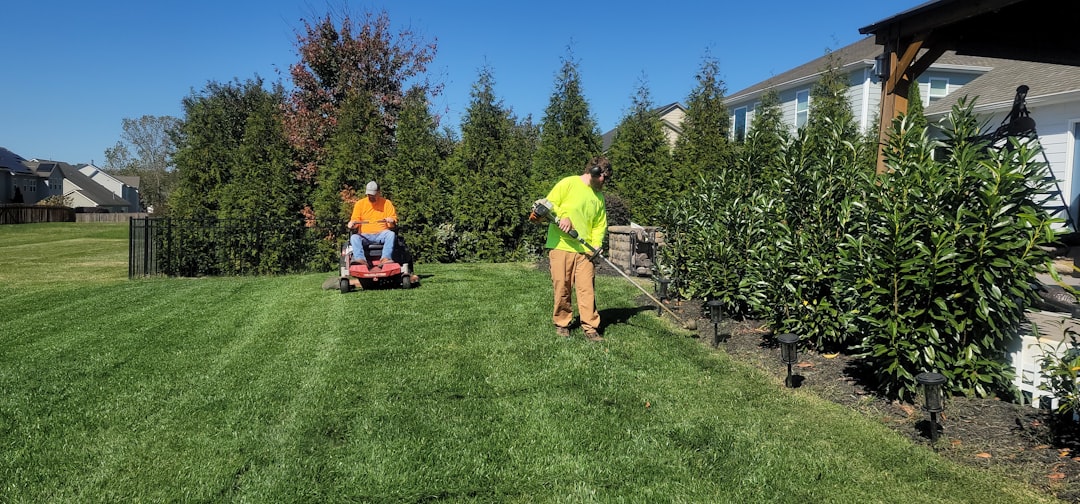
- Shaping hedges: If growing Caragana as a formal hedge, prune with a slight taper, making the top narrower than the bottom. This ensures sunlight reaches all parts of the hedge, preventing the base from becoming sparse.
Always make clean cuts; avoid leaving stubs, as these can be entry points for disease and pests. Sanitize your tools between plants, especially if dealing with diseased material, to prevent pathogen spread.
Aftercare and common mistakes to avoid
Once you have finished pruning your Caragana, a little aftercare can go a long way in ensuring its quick recovery and continued health. While Caragana is incredibly tough, severe pruning can still put a temporary strain on the plant. Light watering, especially during dry spells after heavy pruning, can support the plant as it focuses its energy on new growth. Avoid excessive fertilization immediately after pruning, as this can encourage too much tender new growth that may be vulnerable to pests or weather extremes.
To ensure long-term success, be mindful of common pruning mistakes:
- Pruning at the wrong time: Heavy pruning in late summer or fall can weaken the plant and lead to frost damage.
- Leaving stubs: Cuts that are too far from a bud or main stem leave a “stub” that won’t heal properly and can invite disease.
- Removing too much at once: While Caragana tolerates rejuvenation, removing more than 1/3 of the plant’s live growth in a single season (excluding full rejuvenation cuts) can stress it.
- Neglecting suckers: Unchecked suckers will quickly turn your shrub into an impenetrable thicket.
- Using dull or dirty tools: These cause jagged cuts that heal slowly and increase the risk of disease transmission.
By understanding Caragana’s resilience and respecting its growth cycles, you can avoid these pitfalls and foster a thriving, attractive shrub for many years.
Conclusion
Pruning Caragana shrubs is an indispensable practice for maintaining their health, vigor, and aesthetic appeal in any landscape. From understanding their rapid growth and suckering tendencies to executing precise cuts, each step contributes to a more beautiful and resilient plant. We’ve explored the critical importance of timing, emphasizing dormant season pruning for structural work and lighter shaping after flowering to minimize stress and maximize results. Equipping yourself with sharp, clean tools and mastering techniques like removing the “3 D’s,” thinning, and strategically managing suckers are fundamental. For older, neglected specimens, the aggressive yet effective method of rejuvenation pruning offers a renewed lease on life. By avoiding common pitfalls such as incorrect timing or leaving stubs, and by providing thoughtful aftercare, you empower your Caragana to bounce back strong. Ultimately, a well-pruned Caragana will not only enhance the beauty of your garden but also serve its practical purpose as a robust, low-maintenance feature for decades.