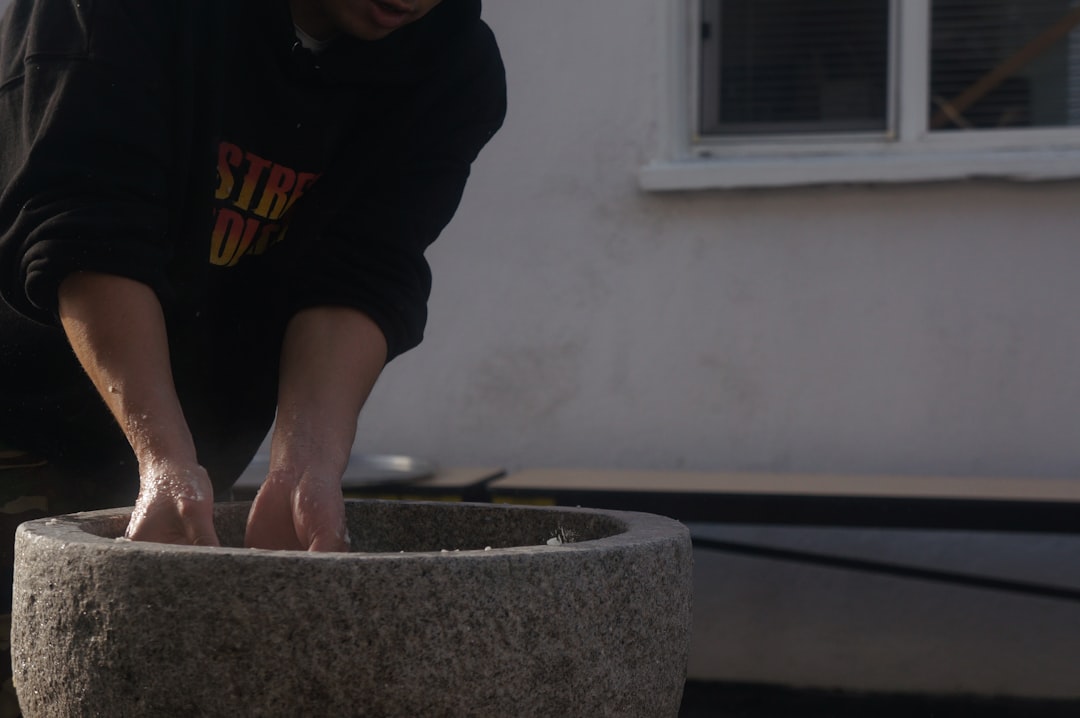
The gentle murmur of a water fountain adds a serene touch to any garden or patio, transforming an ordinary space into a tranquil oasis. However, over time, these beautiful water features inevitably fall victim to various stains that diminish their charm. From unsightly green algae to stubborn white mineral deposits and even corrosive rust spots, these blemishes can make your once pristine fountain look neglected and aged. Understanding the root causes of these common fountain stains is the first step towards restoring your water feature to its former glory. This guide will walk you through the comprehensive process of identifying, treating, and ultimately refinishing your fountain to tackle even the most persistent discolorations, ensuring it remains a captivating focal point in your outdoor living area for years to come.
Understanding common fountain stains
Before diving into stain removal, it’s crucial to identify what you’re dealing with, as different stains require different treatment approaches. The most frequent culprits include algae, mineral deposits, and rust. Algae and moss thrive in damp, sunlit environments, presenting as green, slimy growths that can coat any surface the water touches. These are typically the easiest to remove if caught early. Mineral deposits, often appearing as white, chalky residue, are caused by hard water evaporating and leaving behind dissolved minerals like calcium and magnesium. These can build up in layers, becoming quite tenacious. Lastly, rust stains, characterized by their reddish-brown hue, often result from metal components within or near the fountain oxidizing, or from iron-rich water sources. Recognizing the specific type of stain will significantly impact the effectiveness of your cleaning efforts, guiding you toward the most appropriate and gentle solution for your fountain’s material.
Essential tools and safety precautions
Embarking on a fountain refinishing project requires more than just enthusiasm; it demands the right tools and a commitment to safety. First and foremost, protect yourself. Always wear chemical-resistant gloves and eye protection to shield against splashes from cleaning solutions. Depending on the chemicals used, a respirator might also be advisable. For the fountain itself, a sturdy scrub brush with stiff bristles is indispensable for tackling general grime and loosening stubborn deposits. For more delicate surfaces, a soft-bristled brush or even a non-abrasive sponge might be necessary. Other useful tools include a bucket for mixing solutions, a garden hose for rinsing, and a utility knife or scraper for carefully removing heavy build-ups. For larger fountains, a pressure washer can be incredibly efficient, but use it with caution and at a low setting to avoid damaging the fountain’s surface. Having these items on hand ensures a smoother, safer, and more effective cleaning process.
Step-by-step stain removal techniques
Once you’ve identified the stain type and gathered your tools, it’s time to get to work. Start by completely draining the fountain and removing any large debris like leaves or twigs. For algae and moss, a simple solution of one part bleach to nine parts water can be effective. Apply the solution, let it sit for 10-15 minutes (never longer, especially on colored or porous surfaces), then scrub vigorously with a stiff brush and rinse thoroughly. For mineral deposits, white vinegar or citric acid are excellent natural descalers. Apply undiluted vinegar or a strong citric acid solution, allowing it to penetrate the mineral build-up for several hours, or even overnight for severe cases. Scrub with a brush and rinse. Specialized mineral deposit removers are also available for tougher stains, but always test on an inconspicuous area first. Rust stains generally require an oxalic acid-based rust remover. Follow product instructions carefully, applying the solution and allowing it to work before scrubbing and rinsing. For deep-set stains or a completely refreshed look, consider light sanding with fine-grit sandpaper (if the material allows) to smooth the surface, followed by a quality, pond-safe sealant or paint. This ‘refinishing’ step is crucial for both aesthetics and future protection.
Here’s a quick reference for common stain treatments:
| Stain Type | Primary Cause | Recommended Treatment | Notes |
|---|---|---|---|
| Algae/Moss | Moisture, light, organic matter | Diluted bleach (1:9 ratio with water), scrubbing | Rinse thoroughly, avoid prolonged contact |
| Mineral Deposits | Hard water evaporation (calcium, magnesium) | White vinegar, citric acid, specialized descalers | Allow soak time; test descalers on small area |
| Rust | Oxidation of iron (metal components, water) | Oxalic acid-based rust remover | Follow product safety instructions carefully |
| Organic (Leaves, Dirt) | Decomposition, environmental debris | Mild detergent, scrubbing, pressure washer (low setting) | General cleaning, good first step for any stain |
Preventing future stains and maintaining your fountain
After all the effort of cleaning and refinishing, preventing future stains is paramount to maintaining your fountain’s pristine condition. Regular maintenance is key. Begin by routinely cleaning your fountain every few weeks, draining and scrubbing away any minor build-ups before they become major problems. Consider using a fountain algaecide and a mineral stain inhibitor in the water; these products are designed to prevent the growth of algae and the accumulation of hard water deposits, significantly reducing your cleaning burden. Installing a pump filter can also help by trapping debris before it has a chance to settle and break down. Furthermore, applying a high-quality, waterproof sealant to the fountain’s surface after cleaning and drying can create a protective barrier, making future stains less likely to adhere and easier to remove. During colder months or extended periods of non-use, it’s wise to drain and cover your fountain to protect it from harsh weather and debris accumulation. Proactive care ensures your fountain remains a sparkling, stain-free centerpiece.
Refinishing your fountain stains might seem like a daunting task, but by approaching it systematically, you can effectively restore its beauty and prolong its lifespan. We’ve explored how identifying the specific type of stain—be it algae, mineral, or rust—is crucial for selecting the correct treatment. Equipped with the right tools and a strong emphasis on safety, you can tackle each stain with confidence, utilizing methods ranging from diluted bleach for organic growth to vinegar or specialized removers for mineral and rust deposits. The ultimate goal is not just to clean but to ‘refinish,’ which may involve deeper cleaning, sealing, or even painting, depending on the fountain’s material and the extent of the damage. Remember, consistent preventative measures, such as regular cleaning, the use of water treatment products, and protective sealing, are invaluable in preserving your fountain’s pristine condition. A well-maintained fountain not only enhances your outdoor space but also provides continuous enjoyment, a testament to your effort and care.