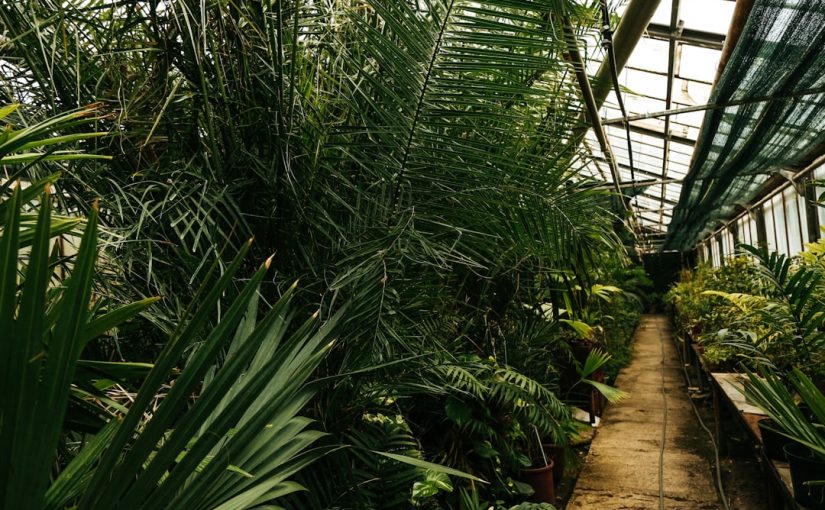
As the vibrant hues of autumn give way to the crisp chill of winter, many gardeners face the annual dilemma of protecting their cherished tropical plants. Among these, the majestic banana tree (Musa and Ensete species) stands out, adding an exotic flair to any landscape. While they thrive in warm climates, successfully overwintering a banana tree in colder zones is entirely achievable with the right approach. This article will guide you through the essential steps, from preparing your plant for its dormant phase to providing optimal storage conditions and, finally, awakening it for another magnificent growing season. By understanding its needs, you can ensure your tropical beauty not only survives the winter but returns with renewed vigor each spring, ready to grace your garden once more.
Preparing your banana tree for winter dormancy
The journey to successful overwintering begins well before the first frost threatens. Understanding the specific needs of your banana tree and your local climate is paramount. Most banana species grown in temperate zones, particularly ornamental varieties like *Musa basjoo* (Japanese fiber banana) or various *Ensete* species, are semi-tropical and require protection from prolonged freezing temperatures. Edible varieties, unless in very warm zones, almost always need to be brought indoors.
Your USDA Hardiness Zone plays a crucial role. If you are in zones 8 or higher, some banana types might survive outdoors with heavy mulching. However, for zones 7 and below, bringing the plant indoors for a dormant period is the most reliable strategy. The key indicator for when to act is the impending frost. Monitor weather forecasts closely and aim to move your plant indoors or prepare it for dormancy when nighttime temperatures consistently drop below 45°F (7°C), and definitely before the first hard freeze.
Different banana species respond differently to dormancy. *Musa* species often form a true corm and can go completely dormant, losing all their foliage. *Ensete* species, while also overwintered, tend to be more sensitive to desiccation and prefer slightly higher humidity and perhaps more frequent checks during their dormant period to ensure the pseudo-stem doesn’t shrivel too much. Consider whether your plant is container-grown or planted directly in the ground. Container plants are generally easier to move, while in-ground plants require a bit more effort to dig up.
Digging, pruning, and cleaning for storage
Once you’ve determined it’s time to bring your banana tree inside, the preparation process is critical for its winter survival. For in-ground plants, start by carefully digging around the root ball. Aim to retain as much of the root system as possible, making sure the root ball is large enough to support the pseudo-stem. Use a sharp spade or shovel, working in a circle around the plant, typically about 1-2 feet out from the pseudo-stem, depending on the plant’s size. Once the roots are sufficiently loosened, gently lift the plant from the ground. For container-grown plants, this step is simplified; you’ll just need to ensure the pot is manageable.
Next comes pruning. This is perhaps the most visually drastic step but is essential for reducing the plant’s moisture needs and making it manageable for storage. Cut back most of the foliage, leaving only a few inches of the pseudo-stem above the root crown. Some gardeners prefer to leave a foot or two of the pseudo-stem, but for true dormancy, extensive pruning is beneficial. Use sharp, clean pruning shears or a saw for larger pseudo-stems. Remove any damaged or diseased leaves entirely. The goal is to reduce surface area where moisture can be lost or pests can hide.
After digging and pruning, clean the plant thoroughly. Carefully shake or brush off as much soil as possible from the root ball. This not only lightens the plant but also helps in checking for any pests that might be hiding in the soil, such as slugs, snails, or various insect larvae. Inspect the pseudo-stem and remaining foliage for any signs of disease or pests. It’s a good practice to gently rinse the root ball with water to dislodge stubborn soil particles and further remove potential hitchhikers. Allow the root ball to air dry for a day or two in a shaded, protected area before moving it to its final storage location. This slight drying helps prevent rot during dormancy.
Creating the ideal winter storage environment
The success of overwintering hinges on providing the right storage conditions. The goal is to induce and maintain a state of dormancy, where the plant’s metabolic processes slow down significantly, allowing it to conserve energy until spring. The ideal storage location is cool, dark, and consistently above freezing. Common choices include unheated basements, garages, crawl spaces, or sheds that remain frost-free. A critical factor is temperature. An optimal range for dormant banana trees is between 40-50°F (4-10°C). Temperatures below freezing will damage or kill the plant, while temperatures significantly above this range might encourage premature growth, which is undesirable during dormancy due to insufficient light and warmth.
Light levels should be minimal. A dark environment reinforces the dormancy period, signaling to the plant that it’s not time for active growth. Humidity is another key consideration. While the plant is dormant and not actively transpiring much, too low humidity can cause the pseudo-stem to shrivel excessively. If your storage area is very dry, you might consider misting the pseudo-stem lightly once a month or placing a tray of water nearby to increase ambient humidity. Some gardeners wrap the root ball in burlap or a breathable plastic sheet to help retain a slight amount of moisture without suffocating the roots.
Watering during dormancy should be extremely infrequent. The plant is not actively growing, so its water requirements are minimal. The primary aim is to prevent the root ball and pseudo-stem from completely drying out and shriveling. Check the root ball every 4-6 weeks; if it feels completely dry and light, give it a small amount of water – just enough to slightly moisten the soil, not drench it. Overwatering is a common mistake and can lead to rot, which is fatal. Regular checks for pests are also important, even in dormancy. While less active, some pests might still linger. Remove any signs of infestation immediately to prevent them from becoming a larger problem as the plant awakens.
| Aspect | Ideal Condition for Dormancy |
|---|---|
| Temperature | 40-50°F (4-10°C) |
| Light | Dark or very low light |
| Humidity | Moderate to high (to prevent desiccation) |
| Watering Frequency | Very infrequent (once every 4-6 weeks) |
| Pest Monitoring | Monthly inspection |
| Location Type | Unheated basement, garage, frost-free shed |
Reviving your banana tree in the spring
As winter gradually releases its grip and the promise of spring fills the air, it’s time to prepare your dormant banana tree for its grand re-entry into the garden. The timing for waking up your banana tree is crucial and largely depends on your local climate. Generally, it’s safe to begin the revival process a few weeks before the last expected frost date in your area, typically mid to late spring when outdoor temperatures begin to consistently rise above 50°F (10°C).
Start by gradually reintroducing your banana tree to warmth and light. If it was stored in a very dark, cool place, move it to a brighter, slightly warmer location for a week or two, such as a sunny window indoors or a sheltered porch. This transition helps to prevent shock. If the root ball was stored bare, now is the time to repot it into a container filled with fresh, well-draining potting mix. For trees that were stored in their containers, replenish the top layer of soil if needed. Choose a pot that allows for ample root growth, typically at least 15-20 gallons for a mature plant. Ensure good drainage holes.
Once repotted, give the plant its first thorough watering. Water slowly and deeply until water drains from the bottom of the pot. After this initial watering, resume a regular watering schedule, allowing the top inch or two of soil to dry out between waterings. You can also begin a light fertilization regimen with a balanced liquid fertilizer to encourage new growth. Over the next few weeks, as temperatures rise and the risk of frost diminishes, begin hardening off your banana tree. This involves gradually exposing it to outdoor conditions. Start with an hour or two in a shaded, protected spot, increasing the duration and exposure to direct sunlight over a period of 7-10 days. This process acclimates the plant to outdoor light, wind, and temperature fluctuations, preventing leaf scorch and stress.
Be patient with new growth; it might take a few weeks for visible shoots to emerge, especially if the pseudo-stem was cut back significantly. But with consistent care and warm temperatures, you’ll soon be rewarded with new, vibrant leaves, signaling your banana tree’s triumphant return to your summer landscape.
Overwintering a banana tree might seem like a daunting task, but as we’ve explored, it’s a remarkably straightforward process that yields incredibly rewarding results. The journey begins with timely preparation, ensuring your plant is properly pruned and cleaned for dormancy. Creating the right storage environment, characterized by cool, dark, and frost-free conditions with minimal watering, is paramount for its survival during the colder months. Finally, a thoughtful springtime revival, involving gradual reintroduction to warmth, light, and nutrients, ensures your banana tree emerges strong and vibrant, ready to adorn your garden once more.
By following these steps, you are not just storing a plant; you are safeguarding a piece of the tropics, enabling it to thrive year after year, even in challenging climates. The effort invested in protecting these magnificent specimens pays off handsomely when you witness the emergence of new, lush leaves and the eventual tropical grandeur they bring to your outdoor space. Embrace the challenge, and you’ll discover the immense satisfaction of cultivating these exotic beauties, making them a recurring highlight in your seasonal garden display.
Image by: Valentin Balan