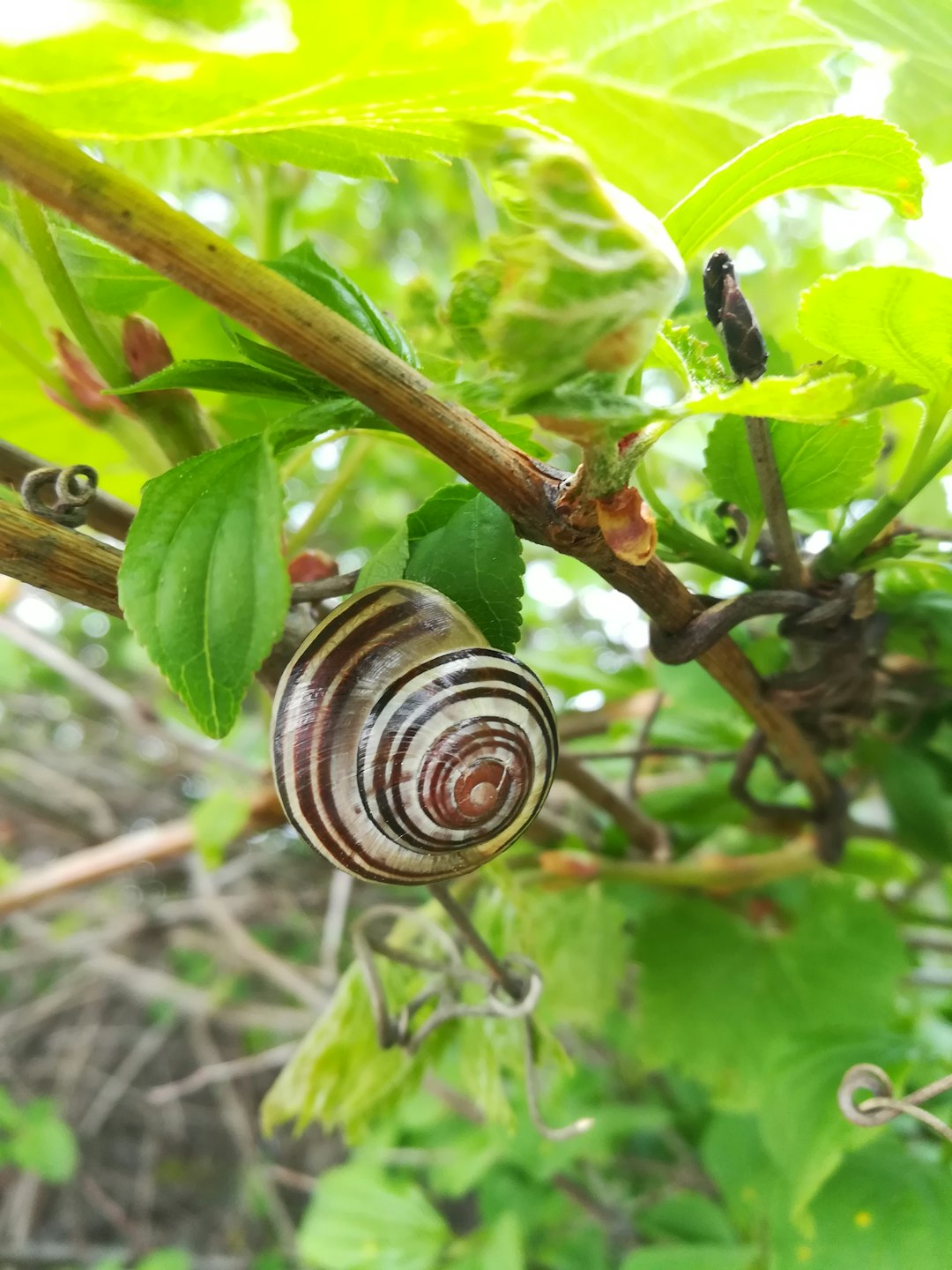
For gardeners, nature enthusiasts, or even curious children, encountering a garden snail can be a moment of quiet observation. These fascinating mollusks play a unique role in our ecosystems. However, there are times when we stumble upon a snail and find ourselves wondering about its fate. Is it simply slumbering, perhaps in a state of dormancy, or has its journey reached its end? Distinguishing between a sleeping snail and one that has passed away isn’t always immediately obvious, as they can sometimes appear quite similar in their inactive states. This guide aims to demystify the process, equipping you with practical indicators and clear steps to determine the vitality of a garden snail, ensuring you know whether it’s merely resting or truly deceased.
The visual cues: assessing the shell and body
One of the most immediate ways to determine a snail’s condition is through careful visual inspection of its shell and body. A healthy, living snail will typically have an intact, unblemished shell. While minor chips can occur, a shell that is severely cracked, extensively broken, or appears unusually fragile might indicate a problem. However, the most telling signs often come from the snail’s soft body.
Observe if there is any visible body within the shell. A living snail, even when retracted, will usually have its body deep inside, often moist and appearing plump. If you find a shell that is completely empty, exceptionally light, or contains only dry, shriveled, or significantly discolored remnants of a body, these are strong indicators that the snail is no longer alive. A deceased snail’s body might also be partially expelled from the shell, appearing limp, unusually dark, or even decayed. The presence of mold or fungi growing on or inside the body is another definitive sign of death.
Absence of movement and responsiveness
While a lack of movement might seem obvious, snails can enter states of dormancy, making this test slightly more nuanced. A healthy, active snail leaves a slime trail, feeds on vegetation, and will retract further into its shell if gently touched. If you observe a snail that has been in the same spot for an extended period, perhaps days, without any visible movement or slime trails, it’s worth further investigation.
To test for responsiveness, you can gently prod the snail’s foot or head (if visible) with a soft, blunt object like a twig. A living snail will typically respond by retracting further into its shell, even if slowly. If there is absolutely no reaction, this is a strong indicator of death. For a more definitive test, you can create a slightly more hospitable environment. Place the snail on a damp paper towel in a shallow container, covered to maintain humidity, for several hours or overnight. A living, dormant snail will often emerge and begin to move or explore its surroundings in response to the favorable conditions. A dead snail will remain inert.
| Indicator | Live snail (active/dormant) | Dead snail |
|---|---|---|
| Body appearance | Moist, plump, full, retracted deeply. | Dry, shriveled, discolored, limp, partially expelled, or absent. |
| Shell condition | Intact, may have a dried mucus seal (epiphragm) when dormant. | Often empty, unusually light, broken, or containing decayed matter. |
| Movement/Response | Retracts if touched, leaves slime trails (when active), emerges in humid environment. | No reaction to touch, no movement over extended periods, remains inert in humidity. |
| Odor | No distinct odor (or a faint earthy smell). | Strong, foul, ammonia-like, or putrid smell. |
| Scavengers | None typically attracted. | Flies, ants, or other insects may be present. |
Understanding snail dormancy and hibernation
It’s crucial to distinguish between a dead snail and one that is merely dormant. Snails are masters of survival and can enter states of prolonged inactivity to cope with adverse environmental conditions. This is known as aestivation (during hot, dry periods) or hibernation (during cold periods). When a snail enters dormancy, it retracts completely into its shell and secretes a protective layer of dried mucus, called an epiphragm, over the opening. This seal helps retain moisture and protect it from predators.
A dormant snail will appear completely inactive, often stuck to a surface like a wall or the underside of a leaf, with its shell opening sealed. The epiphragm will be intact and usually white or translucent. The key difference from a dead snail is the internal state: the body inside is still alive, albeit in a low metabolic state. If you find a snail with an intact epiphragm in a dry or cold environment, it’s highly likely it’s just dormant. Placing it in a warm, humid spot, as mentioned in the previous chapter, is the best way to encourage it to revive if it’s alive.
The definitive sign: decomposition and odor
While visual cues and the absence of movement provide strong indications, the most unequivocal and definitive sign that a garden snail is dead is the presence of a strong, unpleasant odor. As a snail’s body begins to decompose, it releases a very distinct, foul smell. This odor is often described as putrid, ammonia-like, or intensely musky, and it becomes increasingly pronounced as decomposition progresses. It’s an aroma that is generally unmistakable once experienced.
This smell is a direct result of bacterial action breaking down the organic matter of the snail’s body. Coupled with the odor, you might observe further signs of degradation, such as the body liquefying, turning a very dark color, or becoming a target for scavengers like flies, ants, or other small insects that are drawn to decaying organic matter. If you notice a snail emitting such a strong odor, it is almost certainly deceased, regardless of any other visual ambiguity.
Determining whether a garden snail is dead or merely dormant requires a careful and systematic approach, moving beyond a superficial glance. We’ve explored several key indicators, from the critical visual assessment of the shell and body condition to observing the absence of movement and responsiveness. Understanding the natural states of dormancy, such as aestivation or hibernation, is crucial to avoid mistakenly assuming a sleeping snail has perished, especially when an intact epiphragm is present. Ultimately, while initial observations provide strong clues, the presence of a definitive, foul odor and advanced signs of decomposition serve as the most unmistakable evidence of a snail’s passing. By applying these methods, you can confidently ascertain the vitality of these small garden inhabitants, helping you better understand and interact with the natural world around you, whether you’re a curious observer or an avid gardener.