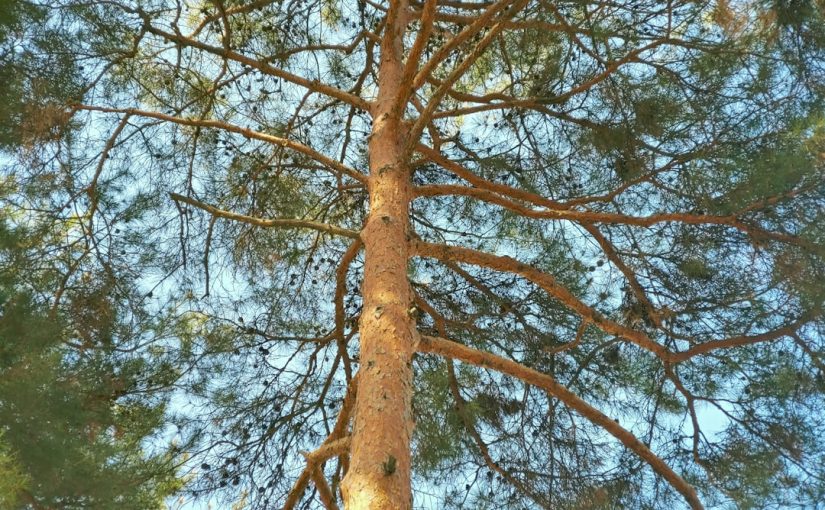
The Lacebark Elm, or Ulmus parvifolia, is a magnificent deciduous tree renowned for its striking exfoliating bark, graceful form, and remarkable resilience. A favorite in many landscapes, its beauty and health are profoundly influenced by proper care, and central to this care regimen is strategic pruning. Far more than just cutting off branches, understanding how to effectively trim a Lacebark Elm is an art and a science that ensures its structural integrity, encourages vigorous growth, and enhances its distinctive aesthetic appeal. This comprehensive guide will walk you through the essential steps, tools, and techniques needed to properly prune your Lacebark Elm, helping it thrive for years to come.
Understanding the Lacebark Elm and pruning goals
Before you even pick up a pruning tool, it’s crucial to understand the unique characteristics of the Lacebark Elm and define your pruning objectives. This species is known for its relatively fast growth rate, a strong branch structure when properly maintained, and an impressive resistance to Dutch Elm Disease, which plagued many of its relatives. Its exfoliating bark, revealing shades of green, gray, orange, and brown, is a key ornamental feature that proper pruning can highlight.
The primary goals of pruning your Lacebark Elm generally fall into a few categories:
- Structural integrity: Removing weak, poorly attached, or crossing branches to prevent future damage from storms or heavy ice, and to foster a strong central leader or well-spaced scaffold branches.
- Health and vigor: Eliminating dead, diseased, or insect-infested wood reduces the risk of pathogens spreading and directs the tree’s energy towards healthy growth. Improving air circulation within the canopy also contributes to overall health.
- Form and aesthetics: Shaping the tree to fit its space, enhancing its natural vase-like form, or showcasing its beautiful bark. This also includes removing suckers and watersprouts that detract from its appearance.
- Clearance: Lifting the canopy to provide clearance for pedestrians, vehicles, or structures, and preventing branches from rubbing against buildings.
By identifying what you want to achieve before you begin, you can approach the task with a clear plan and make more informed decisions about which branches to remove.
Essential tools and timing for trimming
Having the right tools and knowing the optimal time to prune are fundamental for successful Lacebark Elm care. Using sharp, clean tools ensures precise cuts that heal quickly, minimizing stress and potential entry points for diseases.
Here’s a breakdown of essential tools:
| Tool | Primary Use | Maximum Branch Diameter |
|---|---|---|
| Hand pruners (bypass) | Small, live branches, shoots, suckers | Up to 3/4 inch (2 cm) |
| Loppers | Larger branches requiring more leverage | Up to 1 1/2 inches (4 cm) |
| Pruning saw | Larger branches beyond lopper capacity | Over 1 1/2 inches (4 cm) |
| Pole pruner | High branches out of reach | Varies, typically up to 1 1/2 inches (4 cm) for lopper head, larger for saw head |
Always sterilize your tools with rubbing alcohol or a bleach solution between trees, and especially between cuts if dealing with diseased wood, to prevent the spread of pathogens.
The best time to prune a Lacebark Elm is during its dormant season, typically in late winter or early spring before new growth begins and before buds break. This timing allows the tree to heal wounds efficiently as it emerges from dormancy and minimizes stress. Pruning during dormancy also provides a clearer view of the tree’s structure without foliage obstruction. Avoid pruning in late summer or early fall, as this can stimulate new growth that may not harden off before winter frosts, leading to damage.
The only exception to dormant pruning is the immediate removal of dead, diseased, or damaged (the “3 Ds”) branches. These should be removed as soon as they are observed, regardless of the season, to prevent further issues.
Step-by-step guide to proper pruning techniques
With your goals defined and tools ready, it’s time to learn the techniques for making effective cuts. The key is to understand how a tree compartmentalizes wounds and to cut in a way that promotes quick healing.
- Assess and identify: Step back and examine the entire tree. Look for the “3 Ds”:
- Dead wood: Branches that are brittle, discolored, or lack buds.
- Diseased wood: Branches showing cankers, unusual growths, or discoloration. Cut well into healthy wood.
- Damaged wood: Broken or split branches.
Also, identify branches that are:
- Crossing or rubbing: These create wounds where pests and diseases can enter. Remove the weaker or less ideally placed branch.
- Growing inward: Branches heading towards the center of the canopy or against the trunk.
- Weakly attached: Branches forming narrow V-shaped crotches are prone to splitting.
- Suckers and watersprouts: Suckers grow from the base of the tree or roots; watersprouts grow vertically from existing branches. Remove them flush with their origin.
- Making the cut – the “three-cut method” for larger branches: For branches over 1 inch (2.5 cm) in diameter, use the three-cut method to prevent bark stripping.
- Make an undercut about 6-12 inches (15-30 cm) from the trunk, extending about one-third of the way through the branch.
- Make a top cut about an inch further out from the undercut, completely through the branch. This removes the weight.
- Make the final cut just outside the branch collar, which is the slightly swollen ridge of bark where the branch meets the trunk or a larger branch. Do not cut flush with the trunk, as this removes the collar essential for wound healing. Do not leave a stub, as this will die back and delay healing.
- Thinning versus reduction:
- Thinning: Involves removing an entire branch back to its point of origin (the trunk or a larger branch), often used to open up the canopy and improve light penetration and air circulation.
- Reduction: Involves shortening a branch back to a lateral branch that is at least one-third the diameter of the branch being removed. This helps to manage the tree’s size and direct growth.
- Formative pruning for young trees: For young Lacebark Elms, focus on establishing a strong central leader and well-spaced scaffold branches. Remove competing leaders, lower branches that will eventually be problematic, and any branches with narrow crotch angles.
Advanced considerations and aftercare
Beyond the basic cuts, there are a few advanced considerations and post-pruning practices that will contribute to the long-term health and beauty of your Lacebark Elm.
- Avoid over-pruning: Never remove more than 20-25% of the tree’s live canopy in a single growing season. Excessive pruning can severely stress the tree, leading to decline or the vigorous growth of undesirable watersprouts.
- Structural pruning for mature trees: For older Lacebark Elms, continue to focus on maintaining a strong structure. This might involve crown cleaning (removing dead, diseased, or crossing branches throughout the canopy) and crown thinning (selectively removing branches to improve light and air). Pay close attention to co-dominant stems (two or more leaders of similar size competing for dominance), which can create weak points in the tree’s structure.
- Wound dressings: Generally, wound dressings are not recommended for tree pruning cuts. They have been shown to hinder the tree’s natural compartmentalization process and can trap moisture, promoting decay. The tree is best left to heal naturally.
- Aftercare: After pruning, ensure the tree receives adequate water, especially during dry periods. Applying a layer of organic mulch around the base (keeping it a few inches away from the trunk) can help retain soil moisture, regulate temperature, and provide nutrients. Regularly monitor the tree for any signs of pest infestations or diseases, addressing issues promptly.
- When to call a professional: For very large trees, branches close to power lines, or if you’re unsure about making complex structural cuts, it is always best to consult a certified arborist. They have the expertise, equipment, and insurance to perform the work safely and correctly.
Conclusion
Properly trimming a Lacebark Elm is an essential practice that contributes significantly to its longevity, structural integrity, and ornamental appeal. We’ve explored the critical steps, from understanding the tree’s unique characteristics and defining your pruning goals to utilizing the right tools at the optimal time. Mastering techniques like the three-cut method and recognizing which branches to remove – the dead, diseased, damaged, crossing, and weak – will empower you to maintain a healthy and beautiful tree. Remember to always prioritize the tree’s health by avoiding over-pruning and allowing it to heal naturally. Consistent care, coupled with an understanding of proper pruning principles, will ensure your Lacebark Elm thrives, continuing to enchant with its distinctive bark and graceful presence. When in doubt about complex situations, don’t hesitate to seek the expertise of a professional arborist to safeguard your tree’s future.
Image by: 주주 정