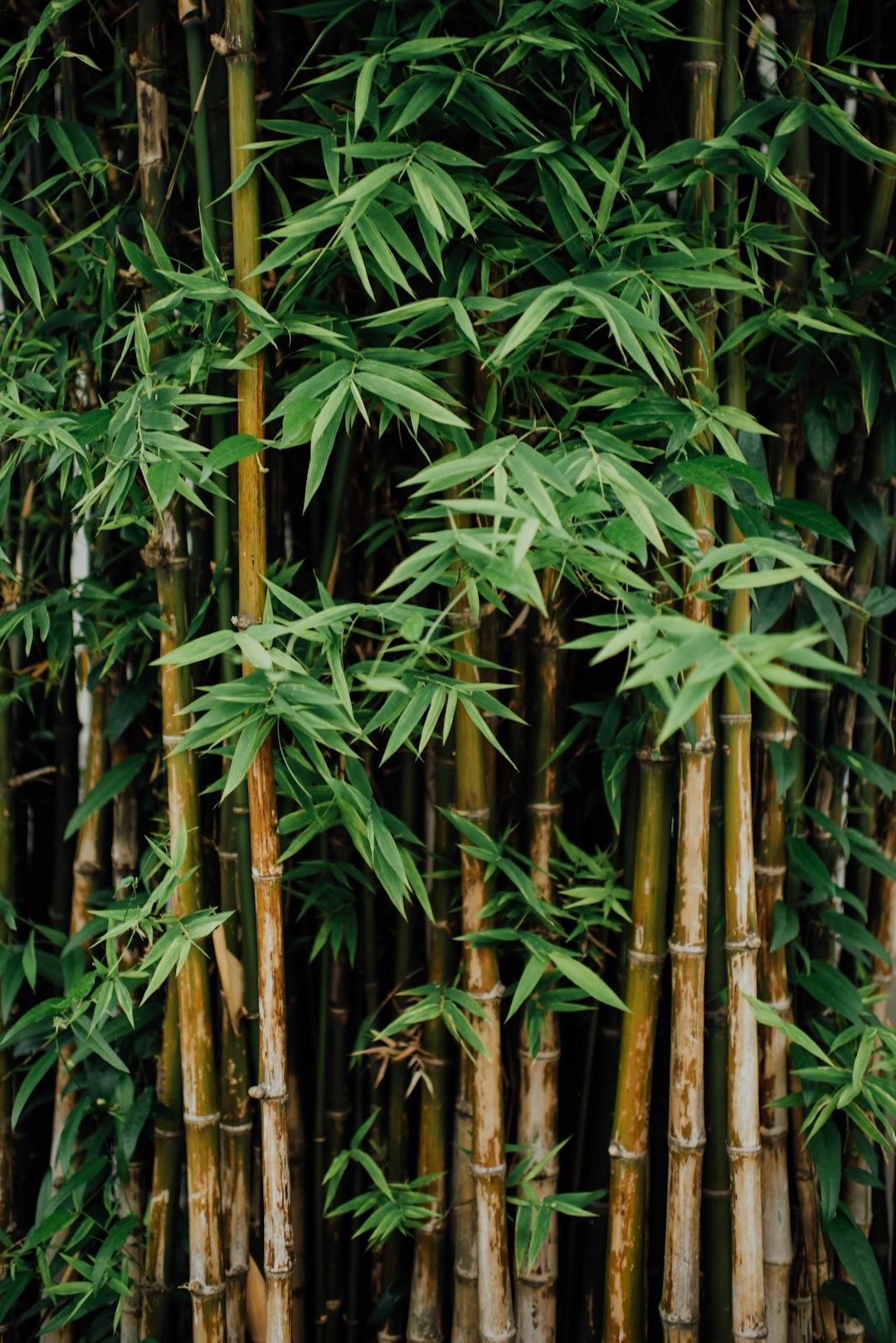
Transforming your garden into a vibrant, thriving ecosystem often involves the strategic use of mulch. While many common options exist, an increasingly popular and sustainable choice is bamboo. Often viewed as merely an ornamental plant or even a nuisance, bamboo culms, when properly prepared, offer a wealth of benefits as a fantastic organic mulch. This article will delve into the practical steps of harvesting and preparing bamboo for your garden, explore its numerous advantages, provide effective application techniques, and discuss important considerations to ensure you maximize its potential. Discover how this rapidly renewable resource can enrich your soil, suppress weeds, and retain moisture, making your gardening efforts more efficient and environmentally friendly.
Harvesting and preparing bamboo for your garden
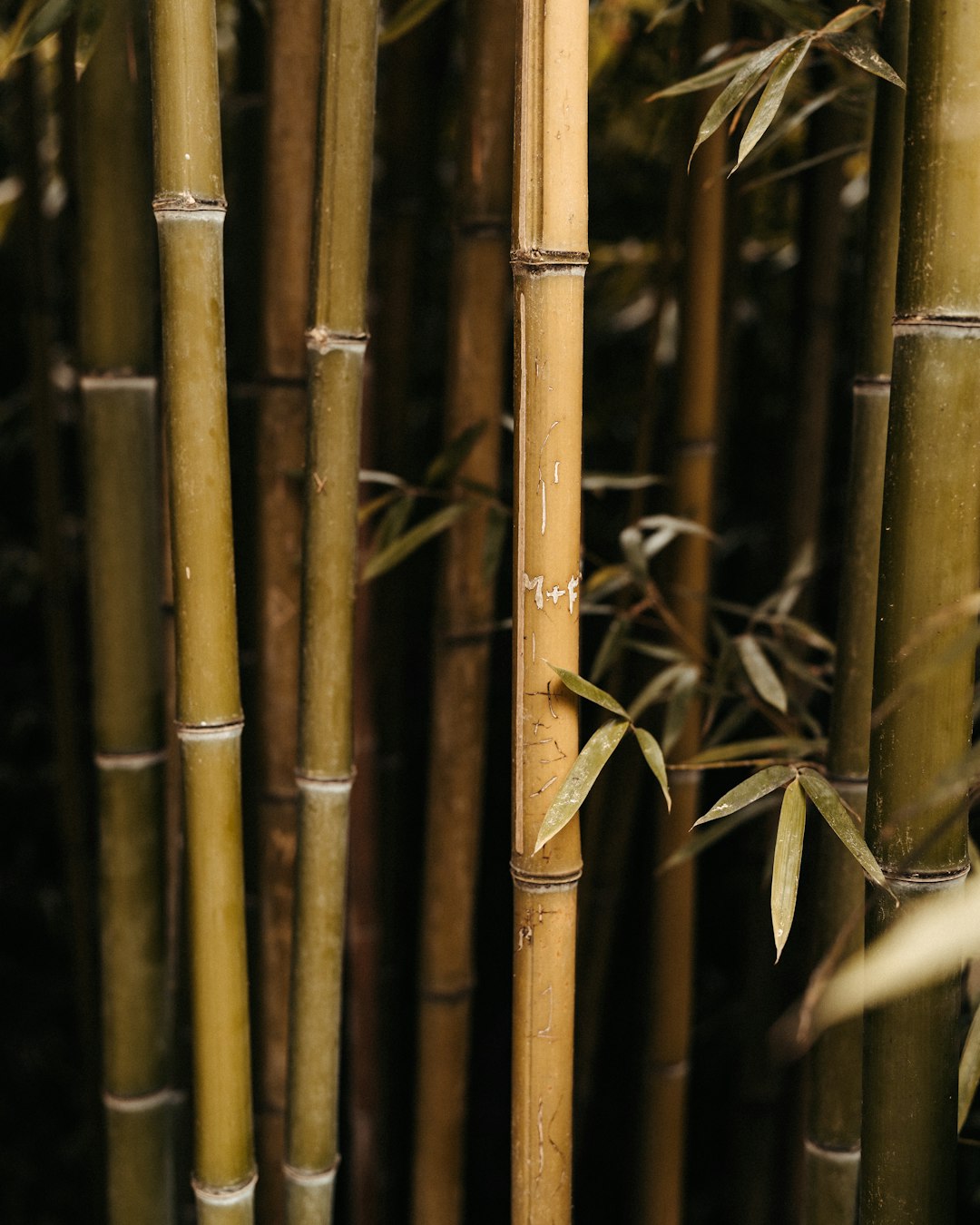
Utilizing bamboo as mulch begins with its proper harvesting and preparation. For optimal results, target mature bamboo culms that are at least one to two years old, as these will have greater structural integrity and nutrient content. When harvesting, cut the culms close to the ground, ensuring a clean cut with sharp pruners or a saw. After cutting, it’s crucial to allow the bamboo to dry thoroughly. This step is vital for two main reasons: first, drying significantly reduces the risk of the bamboo re-rooting in your garden, especially with running varieties; second, it makes the culms brittle and much easier to process into smaller pieces. Lay the culms in a sunny, dry spot for several weeks, or until they are completely yellowed and sound hollow when tapped.
Once dried, the bamboo needs to be shredded or chipped into a more manageable size. Whole culms are too large and decompose slowly, making them less effective as mulch. A robust wood chipper or shredder is the most efficient tool for this task, transforming the dried culms into uniform chips or strands. If a chipper isn’t available, you can manually break or cut the culms into smaller sections, though this is a more labor-intensive process. Aim for pieces that are roughly 1-3 inches in length. This size is ideal for creating an effective barrier against weeds, retaining moisture, and allowing for gradual nutrient release back into the soil as the mulch slowly breaks down. Ensure all pieces are relatively small to prevent any sharp edges from posing a hazard.
The numerous benefits of bamboo mulch
Bamboo mulch offers a compelling array of advantages for the discerning gardener, making it a highly valuable addition to your landscape. One of its primary benefits is its exceptional ability to suppress weeds. The dense layer of bamboo chips or strands creates a physical barrier that prevents weed seeds from germinating and blocks sunlight from reaching existing weed growth, significantly reducing the time and effort spent on weeding. Furthermore, bamboo’s unique cellular structure allows for excellent moisture retention. It acts like a sponge, absorbing water and slowly releasing it into the soil, which is particularly beneficial during dry spells and can reduce your garden’s overall watering needs.
Beyond weed control and moisture management, bamboo mulch enriches the soil over time. As it slowly decomposes, it releases valuable organic matter and a range of nutrients, including silica, which is known to strengthen plant cell walls, making plants more resilient to pests and diseases. Its slow decomposition rate means it provides long-lasting coverage, requiring less frequent replenishment compared to faster-decomposing mulches. This longevity also contributes to soil aeration, preventing compaction and fostering a healthy environment for beneficial microorganisms and earthworms. The aesthetic appeal is another bonus; bamboo mulch provides a natural, clean, and often lighter-colored appearance that can beautifully complement various garden styles. Here’s a brief look at some of its key contributions:
| Benefit Category | Impact of Bamboo Mulch |
|---|---|
| Weed suppression | Forms a dense barrier, blocking sunlight and germination. |
| Moisture retention | Absorbs and slowly releases water into the soil, reducing irrigation. |
| Soil enrichment | Adds organic matter, silica, and other trace minerals upon decomposition. |
| Longevity | Decomposes slowly, providing long-lasting coverage (1-2 years typically). |
| Pest & disease resistance | Silica content can strengthen plant cell walls, aiding resilience. |
Effective application techniques for bamboo mulch
Applying bamboo mulch correctly is key to maximizing its benefits in your garden. Before application, ensure the area is free of significant weeds and debris. If the soil is dry, give it a good watering to ensure moisture is present beneath the mulch layer. When applying, aim for a consistent layer of about 2 to 4 inches thick around your plants. This depth is generally sufficient to suppress weeds and retain moisture effectively without being so deep that it suffocates the soil or creates an anaerobic environment. A thicker layer might be suitable for pathways or areas where you want very strong weed suppression, but always be mindful of plant needs.
It’s crucial to keep the mulch a few inches away from the base of plant stems and tree trunks. This creates a “donut” shape rather than a “volcano” around the plant. Mulch piled directly against stems can trap moisture, encouraging rot and providing a hiding place for pests and rodents, which can damage the plant. For newly planted seedlings, you might start with a slightly thinner layer and gradually increase it as the plant establishes itself. Periodically, check the mulch layer, especially after heavy rains or strong winds, and replenish it as needed to maintain the desired depth and effectiveness. Over time, as the bamboo breaks down, you may also want to lightly rake or turn the existing mulch to improve aeration and encourage even decomposition.
Considerations and best practices for using bamboo mulch
While bamboo mulch offers many advantages, there are several considerations and best practices to keep in mind to ensure its successful and safe use. Firstly, sourcing the bamboo is important. If you’re harvesting from your own property, make sure you’re dealing with a non-invasive variety or managing a running bamboo patch aggressively to prevent unwanted spread. If sourcing from others, ensure it hasn’t been treated with any harmful chemicals. As mentioned earlier, thorough drying and shredding are paramount to prevent any viable bamboo nodes from rooting in your garden, which could lead to an unintended bamboo patch.
The decomposition rate of bamboo mulch, while slower than some alternatives, means it might not be ideal if you’re looking for a rapid nutrient boost or an immediate amendment for poor soil that needs quick organic matter integration. However, its long-term soil building properties are excellent. Be aware that freshly shredded bamboo can have sharp edges, so always wear gloves and eye protection during handling and application. Also, consider the aesthetic impact; while many find its natural appearance appealing, its light color and chunky texture might not fit every garden design preference. By keeping these points in mind and following the preparation and application guidelines, bamboo can be an exceptionally sustainable and beneficial mulch for nearly any garden environment.
Embracing bamboo as a mulch offers a remarkably sustainable and effective way to nurture your garden while minimizing environmental impact. We’ve explored the essential process of harvesting and preparing bamboo, emphasizing the importance of proper drying and shredding to create a safe and beneficial mulch. The numerous advantages, from superior weed suppression and excellent moisture retention to its slow nutrient release and soil-enriching silica content, paint a clear picture of why bamboo stands out. Applying it correctly, with a consistent 2-4 inch layer kept away from plant stems, ensures maximum benefit for your plants. While needing a chipper and requiring careful preparation to prevent rooting are factors to consider, the long-term rewards for soil health and reduced maintenance are substantial. By integrating bamboo mulch into your gardening routine, you’re not just covering soil; you’re investing in a healthier, more resilient garden ecosystem that thrives with less effort and greater ecological harmony.
Image by: Liana S