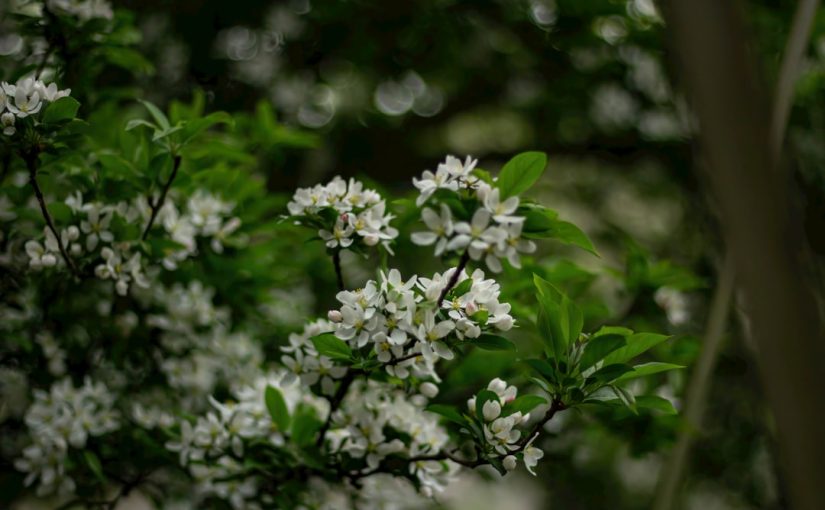
The quest to cultivate a landscape that thrives in harmony with its environment often begins with a fundamental question: which plants are truly at home here? For Michigan gardeners and conservationists alike, understanding the native status of popular ornamental trees is paramount. One such beloved specimen, the flowering dogwood (Cornus florida), frequently graces gardens across the state with its stunning spring blossoms and vibrant autumn foliage. However, its widespread presence prompts an important inquiry into its origins: is the flowering dogwood native to Michigan? This article will delve into the ecological considerations, historical ranges, and botanical evidence to uncover whether this iconic tree genuinely belongs to Michigan’s natural flora, guiding responsible landscaping choices.
Understanding native ranges and plant ecology
A “native plant” refers to a species that has evolved naturally in a particular region, ecosystem, or habitat without human introduction. These plants have adapted over millennia to the local climate, soil conditions, and ecological interactions, forming intricate relationships with native wildlife, including insects, birds, and other animals. Understanding the native range of a plant is crucial for several reasons. Native plants are typically more resilient to local pests and diseases, require less water and fertilizer once established, and significantly contribute to local biodiversity by providing essential food and shelter for native fauna. When plants are introduced outside their native range, even if they thrive, they may not offer the same ecological benefits and, in some cases, can become invasive, outcompeting native species.
The historical and current native range of Cornus florida
The flowering dogwood, scientifically known as Cornus florida, is widely celebrated for its delicate white or pink bracts and distinctive layered branching. Its generally accepted native range spans a significant portion of eastern North America. This includes areas from southern New England, extending southwards through the Atlantic coastal states all the way to central Florida, and westwards across the Appalachian Mountains through parts of the Midwest, reaching as far as eastern Texas, Oklahoma, Missouri, Kansas, and isolated pockets in northern Mexico. The northernmost limits of its primary distribution typically lie within USDA Hardiness Zones 5 and 6, where it experiences sufficient winter chilling but avoids extremely harsh, prolonged cold. This geographical distribution is dictated by factors such as climate, average annual rainfall, soil pH preferences, and the duration of the growing season.
Is Michigan within the native range? Examining the evidence
While the flowering dogwood is a common sight in Michigan landscapes, botanists and ecologists generally do not consider it broadly native to the state. The species’ native range primarily extends to the south and east of Michigan. However, there is a nuanced discussion regarding its presence in the extreme southern tier of Michigan counties, particularly those bordering Ohio and Indiana. Some historical accounts and isolated observations suggest the possibility of relict or naturally occurring populations in these specific locales, which share similar climatic and soil conditions with its northern native range in those neighboring states. For the vast majority of Michigan, especially the central and northern Lower Peninsula and the Upper Peninsula, Cornus florida is considered an introduced or naturalized species, meaning it can grow successfully but was not originally part of the native flora. The following table illustrates some key ecological parameters influencing its native distribution:
| Characteristic | Typical native range for Cornus florida | General Michigan conditions |
|---|---|---|
| USDA Hardiness Zones | 5-9 (primarily 5-7) | 4-6 (Upper Peninsula can be 3-4) |
| Average winter low (°F) | -20 to 20 | -30 to -10 (can be colder in north) |
| Soil pH preference | Slightly acidic to neutral (6.0-7.0) | Varies widely (acidic to alkaline) |
| Preferred habitat | Understory of deciduous forests | Varies, often mixed forests |
The benefits of planting native alternatives in Michigan
Given that Cornus florida is not broadly native to Michigan, gardeners seeking to support local ecosystems have excellent alternative choices. Michigan boasts a rich diversity of truly native trees and shrubs that offer similar aesthetic appeal and superior ecological benefits. For beautiful spring blooms, consider the various serviceberry species (Amelanchier spp.), such as downy serviceberry (Amelanchier arborea) or Allegheny serviceberry (Amelanchier laevis), which produce delicate white flowers, edible berries for wildlife, and stunning fall color. Other excellent choices include native hawthorns (Crataegus spp.) with their showy flowers and persistent fruit, or even other native dogwoods like red osier dogwood (Cornus sericea) or gray dogwood (Cornus racemosa), which provide vibrant stems in winter and important food for birds. Opting for these true Michigan natives ensures better adaptation to local conditions, supports a complex web of native wildlife, and contributes to the health and resilience of Michigan’s unique natural heritage.
In conclusion, while the flowering dogwood (Cornus florida) is a cherished ornamental tree across many parts of North America, it is generally not considered broadly native to Michigan. Its natural range primarily extends to regions south and east of the state, with only very specific, localized exceptions potentially existing in the extreme southern border counties. For most of Michigan, its presence in the landscape is due to cultivation rather than natural distribution. Understanding this distinction is vital for environmentally conscious landscaping. Choosing truly native Michigan plants, such as serviceberries or other native dogwood species, offers not only comparable beauty but also superior ecological advantages, providing essential habitat and food sources for local wildlife while thriving naturally in the state’s unique climate and soil conditions. By making informed plant choices, we can foster healthier, more resilient ecosystems right in our own backyards and support Michigan’s incredible biodiversity.
Image by: Gautam Krishnan