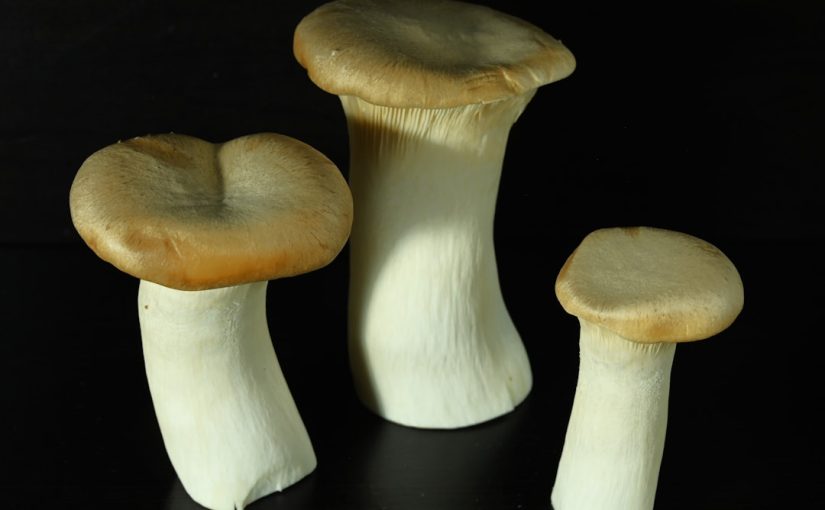
The silent, often beautiful, world of fungi is an integral part of nearly every ecosystem, and trees are no exception. From the delicate shelf mushrooms adorning a decaying log to the robust conks jutting from a living trunk, tree fungi are a common sight. However, for many, their presence raises a crucial question: are these natural decomposers and parasites a threat to human health? While some fungi are harmless, and even beneficial in certain contexts, others harbor potential dangers that range from mild irritants to serious health concerns, both directly and indirectly. Understanding the nuanced relationship between tree fungi and human safety is essential for anyone who lives near or interacts with wooded areas, dispelling myths and highlighting genuine risks.
The diverse world of tree fungi
Fungi are extraordinary organisms, distinct from plants and animals, that play a vital role in Earth’s ecosystems, particularly in forests. On trees, they manifest in a myriad of forms: the classic mushroom shape, bracket fungi (also known as shelf fungi or conks), crust-like growths, and even microscopic molds. Their primary ecological function is decomposition, breaking down dead wood and returning nutrients to the soil. Without fungi, forests would be choked with fallen timber. However, some fungi are also parasitic, infecting living trees and causing decay or disease. Most tree fungi are specialized for their woody hosts and are largely benign to humans upon casual observation or incidental contact. The sheer diversity means that generalizing all tree fungi as either dangerous or harmless is an oversimplification; instead, understanding specific types and modes of interaction is key.
Direct health concerns from tree fungi
While most tree fungi pose no immediate threat, certain direct interactions can lead to health issues. The most common direct concern involves the inhalation of fungal spores. Like pollen, these microscopic reproductive structures are released into the air by countless fungal species, including many found on trees. For individuals prone to allergies, inhaling these spores can trigger respiratory symptoms such as sneezing, coughing, runny nose, and even asthma attacks. People with pre-existing respiratory conditions may be particularly sensitive. Less common, but more serious, are toxins produced by some fungi, known as mycotoxins. While the primary danger of mycotoxins usually comes from ingesting toxic wild mushrooms, some environmental fungi can produce these compounds. Direct skin contact with certain fungal growths or decaying wood might cause mild dermatological irritation or allergic reactions in sensitive individuals, though this is relatively rare for external tree fungi.
Indirect risks and environmental considerations
Beyond direct contact or inhalation, tree fungi can pose significant indirect risks, primarily by compromising the structural integrity of trees. When fungi, particularly those causing heart rot or root rot, infect a tree, they gradually break down its wood fibers. This decay weakens the tree’s trunk, branches, or root system, making it unstable and prone to failure. A seemingly healthy-looking tree with extensive internal decay due to fungal activity can suddenly drop large limbs or even collapse entirely, especially during storms or high winds. This physical hazard of falling branches or trees is a major concern, particularly for properties with trees near homes, walkways, or public areas. Therefore, the presence of significant fungal fruiting bodies on a living tree often signals a potential structural danger that could result in serious physical injury or property damage, even if the fungus itself isn’t directly toxic to humans.
Additionally, while not a direct risk to humans, curious pets might investigate and potentially ingest fungi growing on trees or decaying wood. Some fungal species that are not harmful to humans can be toxic to animals, leading to gastrointestinal upset or more severe poisoning.
Safe interaction and prevention strategies
Given the potential risks, adopting a cautious approach when interacting with tree fungi and affected trees is prudent. The first rule of thumb is to avoid direct contact with unknown fungal growths. If you must handle decaying wood or fungal specimens, wear gloves and wash your hands thoroughly afterward. For individuals with allergies or respiratory sensitivities, it’s advisable to limit exposure during periods of high spore release, such as late summer or fall, especially in areas with abundant fungal activity. Maintaining good air circulation around your home and ensuring healthy tree care can also help mitigate mold and mildew growth. The most critical preventive measure, however, relates to tree health and safety. Regularly inspect trees on your property for signs of significant fungal growth, especially large conks, shelf fungi, or mushrooms appearing at the base or on the trunk. These often indicate internal decay.
| Exposure Type | Potential Risk to Humans | Likelihood of Risk |
|---|---|---|
| Inhaling spores | Allergic reactions, respiratory issues | Moderate |
| Touching fungal growth | Skin irritation (mild), potential toxin transfer (low) | Low |
| Ingesting unknown fungi | Severe poisoning, organ damage, death | High (if ingested) |
| Decayed tree near property | Physical injury from falling limbs/tree | Moderate |
| Immunocompromised exposure | Systemic fungal infections (rare) | Low |
If you notice extensive fungal fruiting bodies, particularly on a living tree, consult a certified arborist. An arborist can assess the tree’s health and structural integrity and recommend appropriate action, which might include pruning decayed limbs or, in severe cases, removing the tree to prevent accidents.
Conclusion
In conclusion, while the vast majority of tree fungi are not inherently dangerous to humans upon casual observation, it’s important to recognize the various ways they can pose risks. Direct health concerns primarily revolve around allergic reactions to inhaled spores, particularly for sensitive individuals, and the extremely rare possibility of mycotoxin exposure from incidental contact. The most significant and frequently overlooked danger stems from the indirect impact of fungal decay on tree structural integrity, leading to the risk of falling limbs or entire trees. By understanding these distinctions, we can approach tree fungi with informed caution rather than undue fear. Always avoid ingesting unknown fungi, protect yourself from excessive spore exposure if allergic, and most importantly, promptly address any signs of significant fungal decay in trees that could become a physical hazard. Prioritizing safety through awareness and professional assessment ensures a healthier coexistence with the natural world around us.
Image by: Gennady Zakharin